
How To Cook Brown Rice In Air Fryer [FULL GUIDE]
Recommended Equipments:
Brown rice has long been celebrated for its nutty flavor, chewy texture, and robust nutritional profile, making it a staple in health-conscious diets worldwide. Unlike its white rice counterpart, brown rice retains the bran and germ layers, which are rich in fiber, vitamins, and minerals, offering sustained energy and numerous health benefits. Traditionally, brown rice is prepared by boiling, steaming, or using a rice cooker, but in recent years, the air fryer has emerged as an unconventional yet surprisingly effective method for cooking this wholesome grain. Air fryers, known primarily for crisping foods without deep-frying, offer a unique combination of circulating hot air and precise temperature control, which can yield evenly cooked, fluffy brown rice. However, mastering the art of air fryer brown rice requires attention to temperature, timing, and moisture management. This guide delves deeply into every aspect of air fryer brown rice, ensuring success for both novice cooks and seasoned culinary adventurers.
Optimal Air Fryer Temperature To Cook Brown Rice In Air Fryer
Temperature control is critical when cooking brown rice in an air fryer because too high a heat can dry out the rice, leaving it hard or unevenly cooked, while too low a temperature may result in undercooked, gummy grains. For most air fryers, the ideal temperature to cook brown rice is 320°F to 340°F (160°C to 170°C). This moderate range allows the water to infuse the grains gradually, ensuring they expand fully while maintaining their characteristic slightly chewy texture. It’s important to note that different air fryer models may have slight variations in heat distribution, so using the midpoint temperature of 330°F is often a safe starting point. Maintaining a consistent temperature is crucial because brown rice takes longer to cook than white rice due to its fibrous bran layer, and the gentle heat ensures that each grain absorbs water evenly.
How Long To Cook Brown Rice In Air Fryer
Cooking time in an air fryer is not as instantaneous as frying or roasting vegetables. Brown rice typically requires 35-45 minutes in the air fryer. This may seem long compared to conventional frying, but it aligns with the slow, even heat needed to properly hydrate and soften the rice. The timing also depends on the type of brown rice (short-grain, medium-grain, or long-grain) and the water-to-rice ratio. Stirring the rice once halfway through the cooking process can help distribute heat and moisture more evenly, preventing clumping or partially dried grains.
How To Tell If It Is Done
Determining whether brown rice is fully cooked in an air fryer requires both visual and tactile cues:
- Texture: The rice grains should be tender but not mushy, with a slight chewiness that indicates the bran layer has softened properly.
- Moisture: Each grain should be separate yet moist. If there is still visible water at the bottom of the container, it is undercooked.
- Taste Test: The most reliable method is to taste a small spoonful; it should have a nutty, earthy flavor and no hard center.
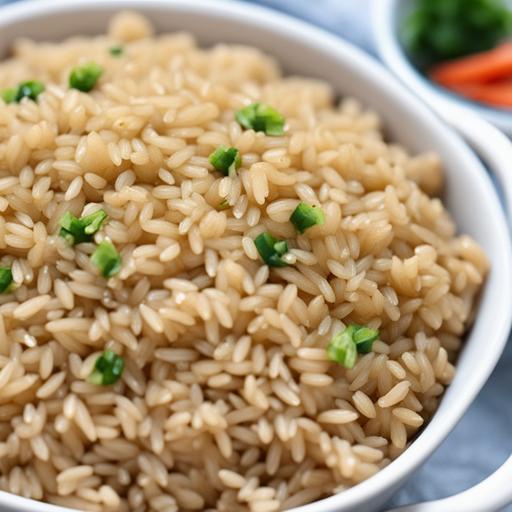
- Appearance: Properly cooked brown rice will have expanded in size, slightly translucent edges, and a uniform color throughout the grains.
Ingredients Needed
Cooking brown rice in an air fryer is straightforward, requiring minimal ingredients:
- 1 cup brown rice (short, medium, or long grain)
- 1 ¾ cups water (adjust slightly depending on the desired texture)
- 1 teaspoon olive oil or butter (optional, for flavor and to prevent sticking)
- Pinch of salt (optional, for seasoning)
Optional additions can include herbs, spices, or aromatics like garlic or bay leaf to enhance flavor.
How To Cook Brown Rice In Air Fryer
- Rinse the Rice: Start by rinsing 1 cup of brown rice under cold water to remove excess starch, which helps prevent clumping.
- Combine Ingredients: In an air fryer-safe, heat-resistant bowl, combine the rinsed rice, 1 ¾ cups of water, a pinch of salt, and optional oil or butter.
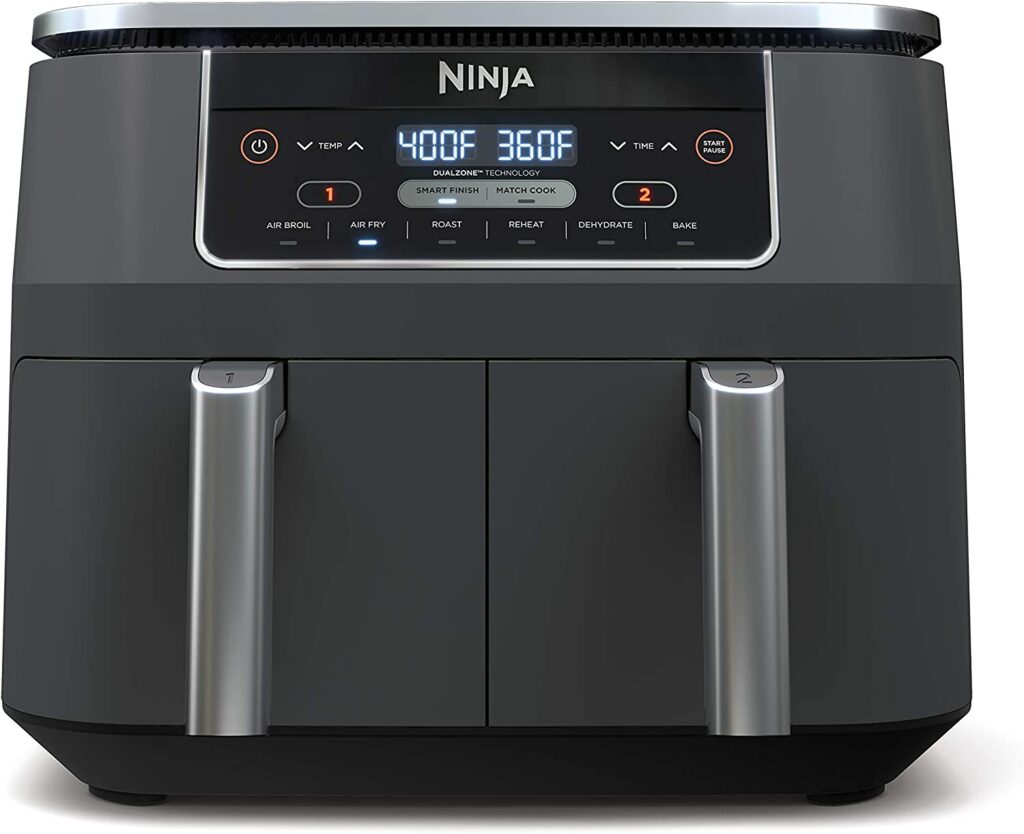
- Preheat the Air Fryer: Set the air fryer to 330°F (165°C) for a 3-5 minute preheat.
- Cook the Rice: Place the bowl in the air fryer basket. Cook for 35-40 minutes, stirring gently halfway through to ensure even cooking.
- Check for Doneness: Taste a few grains to see if they are tender and moist. If needed, add a tablespoon of water and cook for an additional 3-5 minutes.
- Fluff and Serve: Once fully cooked, remove the bowl, fluff the rice with a fork, and serve as a side dish or base for meals.
What If I Use A Different Air Fryer Temperature?
Altering the temperature will impact texture and cooking time:
- Lower Temperature (300-320°F): Slower cooking, potentially softer grains but may require 5-10 extra minutes.
- Higher Temperature (350-360°F): Faster cooking, but rice may dry out or cook unevenly; edges may become hard while the center remains undercooked.
Consistency is key-sticking close to the optimal temperature ensures even hydration and proper texture.
What If I Use A Different Air Fryer Cooking Time?
Changing cooking time affects doneness and moisture balance:
- Shorter Time (<35 min): Rice may be undercooked, hard, or crunchy at the center.
- Longer Time (>45 min): Risk of overcooked, mushy, or dry grains.
If adjustments are needed, add or subtract small increments of 3-5 minutes, checking periodically to avoid over- or undercooking.
When Things Go Wrong
Even in an air fryer, rice mishaps can occur:
- Under-cooked Rice: Add a few tablespoons of water, cover with foil, and cook for an additional 5-10 minutes.
- Dry or Hard Rice: Stir in water and reheat gently at a lower temperature (300-320°F) until moisture is absorbed.
- Clumpy Rice: Fluff immediately after cooking with a fork; avoid stirring too vigorously during cooking, which can break grains.
- Burned Bottom: Ensure the bowl is air fryer-safe and avoid high temperatures; thin bowls can cause uneven heat distribution.
Expert Tips
- Pre-soak for Faster Cooking: Soaking rice for 20-30 minutes reduces overall cooking time and produces softer grains.
- Use Foil or a Lid: Covering the bowl traps steam, enhancing moisture retention and preventing dryness.
- Check Water Levels: Because air fryers circulate hot air, evaporation is faster than traditional methods-adding extra water may be necessary.
- Stir Midway: Prevents uneven cooking and allows each grain to expand uniformly.
- Experiment with Flavors: Toast the rice lightly in oil before cooking or add broth instead of water for richer taste.
FAQs
Can I Cook Brown Rice In An Air Fryer?
Yes, you can cook brown rice in an air fryer, although it is less conventional than using a stove or rice cooker. The air fryer can simulate a steaming environment if you use an oven-safe dish with a lid or foil to retain moisture.
What Is The Ideal Water-to-rice Ratio For Cooking Brown Rice In An Air Fryer?
For brown rice in an air fryer, a common ratio is 1 cup of brown rice to 1.5-2 cups of water, depending on the desired texture. Using slightly more water helps ensure the rice cooks evenly without drying out.
Do I Need To Soak Brown Rice Before Air Fryer Cooking?
Soaking brown rice for 20-30 minutes is optional but recommended. Soaking can reduce cooking time and help achieve a softer, more uniform texture.
What Temperature And Cooking Time Should I Use?
Set the air fryer to 320-350°F (160-175°C). Cook the rice for approximately 25-35 minutes, checking halfway and gently stirring to prevent uneven cooking. Cooking time may vary depending on the air fryer model and the quantity of rice.
Should I Cover The Rice While Cooking In The Air Fryer?
Yes, covering the rice with an oven-safe lid, foil, or a heatproof dish cover is crucial. It traps steam, allowing the rice to cook evenly and preventing it from drying out.
How Do I Know When The Rice Is Fully Cooked?
Brown rice is fully cooked when it is tender but still slightly chewy, and all the water has been absorbed. You can test by tasting a small portion or checking that the grains have expanded and no water remains at the bottom of the dish.
Can I Add Flavors Or Seasonings While Cooking Brown Rice In The Air Fryer?
Yes, you can enhance the rice by adding salt, spices, or a small amount of oil or butter to the water before cooking. Herbs, garlic, or broth can also be used to infuse additional flavor during cooking.