
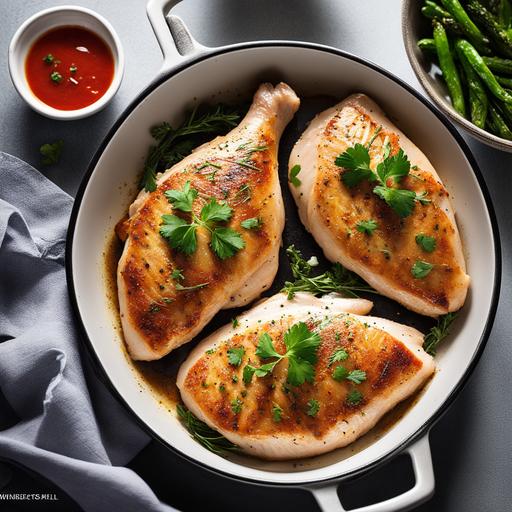
How To Cook Chicken Breast Fillets In Ninja Air Fryer [FULL GUIDE]
Recommended Equipments:
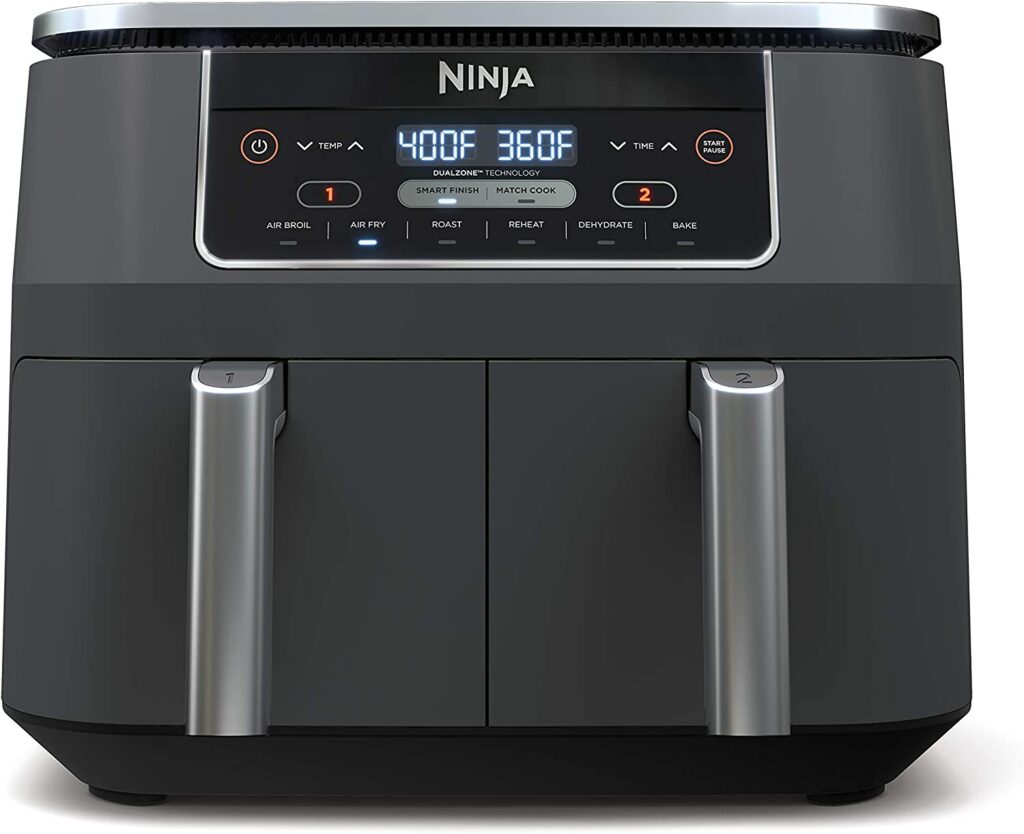
Cooking chicken breast fillets in a Ninja Air Fryer offers an efficient way to achieve a tender, juicy interior wrapped in a lightly crisp, flavorful exterior. Unlike pan-frying or baking, air frying uses rapid air circulation to mimic the results of convection cooking while drastically reducing cook times and oil usage. With the correct temperature and timing, the air fryer can transform simple chicken breasts into consistently succulent, well-developed meals suitable for weeknight dinners, meal prep, or high-protein diets.
This guide explores ideal temperatures, cooking durations, troubleshooting, ingredient insights, and technique refinements so you can confidently produce perfectly cooked chicken fillets every time.
Optimal Air Fryer Temperature To Cook Chicken Breast Fillets In A Ninja Air Fryer
For most Ninja Air Fryer models, the optimal temperature for cooking chicken breast fillets is 375°F (190°C). This temperature strikes a balance between:
- Even internal cooking without drying out the surface.
- Sufficient surface heat to promote gentle browning or light crisping.
- Controlled moisture retention, which keeps the fillet juicy.
Cooking at lower temperatures can cause the chicken to steam instead of brown, while higher temperatures may cause the exterior to dry out before the center is fully cooked. The 375°F range is widely regarded as the sweet spot for maintaining tenderness.
How Long To Cook Chicken Breast Fillets In Ninja Air Fryer
For chicken breast fillets approximately 6 to 8 ounces and about 1 inch thick:
- Cook at 375°F (190°C) for 16-20 minutes
- Turn halfway through cooking for even browning and texture
Use the following more precise guideline:
- Thin fillets (½ inch thick): 10-12 minutes
- Standard fillets (1 inch thick): 16-18 minutes
- Thick fillets (1.25+ inches): 18-22 minutes
However, thickness and starting temperature (e.g., chilled vs. room temp) ultimately affect these ranges. Always verify doneness rather than relying solely on timing.
How To Tell If It Is Done
Chicken is fully cooked and safe to eat when:
-
Internal Temperature Reaches 165°F (74°C)
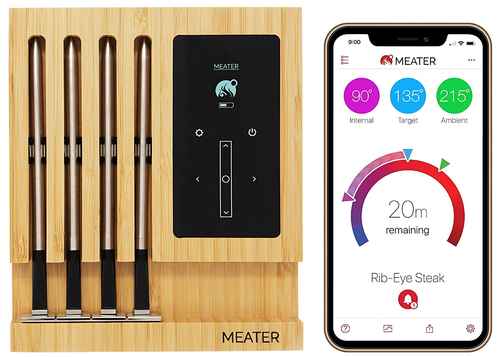
Use an instant-read thermometer inserted into the thickest portion. This is the most reliable method.
-
Juices Run Clear
When lightly pressed, the juices should be clear rather than pink.
-
Texture Feels Firm But Not Rigid
Properly cooked chicken breast has mild resistance when pressed.
-
Color Is Opaque Throughout
The meat should no longer appear translucent or glossy internally.
Rely primarily on temperature; visual signs are supportive but imperfect.
Ingredients Needed
A basic, versatile setup includes:
-
Chicken Breast Fillets
Boneless, skinless; trimmed of excess fat.
-
Olive Oil Or Neutral Oil
A thin coating prevents dryness and aids browning.
-
Seasonings
Use any preferred blend. A strong foundational mix includes:
- Salt
- Black pepper
- Paprika
- Garlic powder
- Onion powder
- Optional: dried thyme, dried oregano, cayenne, lemon zest
-
Optional Marinades
Lemon herb, yogurt-based, or low-sugar barbecue marinades enhance flavor and moisture.
The beauty of air-fried chicken is the adaptability: herbs, spices, and cuisine profiles can be endlessly varied.
How To Cook Chicken Breast Fillets In A Ninja Air Fryer
-
Preheat The Air Fryer To 375°F (190°C)
Preheating ensures the chicken begins cooking immediately, improving browning and consistency.
-
Prepare The Fillets
- Pat the chicken dry to prevent steaming.
- Brush lightly with olive oil.
- Season generously on all sides.
-
Arrange In The Air Fryer Basket
Place fillets in a single layer, leaving space between pieces so air can circulate freely.
-
Cook For 16-20 Minutes
Flip the fillets halfway through for even cooking.
-
Check Internal Temperature
Remove once the thickest point reaches 165°F (74°C).
-
Rest For 3-5 Minutes
Resting allows juices to redistribute, improving texture and moisture retention.
-
Serve Or Use In Recipes
Slice, dice, or serve whole depending on your meal plan.
What If I Use A Different Air Fryer Temperature?
Lower Temperatures (325-350°F / 160-175°C)
- Result in gentler cooking that preserves moisture
- Less browning, softer exterior
- Longer cook times
- May produce a slightly poached texture rather than crisp edges
Higher Temperatures (390-400°F / 200-205°C)
- Faster browning and crisping
- Higher risk of dry or tough chicken, especially for thinner fillets
- Smaller margin for error
- Best for marinated or thicker fillets requiring more aggressive heat
Choosing a temperature outside the optimal range is workable but requires adjustments in cook time and expectations regarding texture.
What If I Use A Different Air Fryer Cooking Time?
-
Undercooking
Leaves the center pink or translucent, posing food safety risks.
Chicken may appear done on the outside yet remain raw in the center.
-
Overcooking
Produces dry, fibrous, chalky chicken with moisture loss.
Fillets may shrink and toughen considerably.
If you must adjust cook time, always compensate with a proper temperature check.
When Things Go Wrong
Chicken Is Dry
- Likely overcooked. Reduce future cook time by 2-3 minutes or lower the temperature slightly.
- Consider marinating to enhance moisture.
Chicken Is Undercooked
- Increase cooking time in 2-minute intervals until 165°F is reached.
- Ensure fillets are not too thick or inconsistently sized.
Uneven Cooking
- Occurs when fillets differ in thickness. Pound to uniform thickness or cook in separate batches.
Edges Burned, Center Underdone
- Temperature too high. Lower by 10-20 degrees and increase cooking time.
No Browning
- Chicken may be too wet or insufficiently oiled. Pat dry thoroughly before seasoning.
Expert Tips
- Pound thicker sections to ensure uniform cooking.
- Use a marinade for at least 30 minutes to improve flavor and juiciness.
- Do not overcrowd the basket; airflow is essential for proper crisping.
- Lightly oil the fillets, not the basket, to reduce sticking.
- Season generously, as air fryers can mute subtle flavors.
- Rest after cooking to prevent moisture loss when slicing.
- Experiment with rubs such as Cajun, lemon-pepper, smoked paprika, or Middle-Eastern spice blends to elevate the dish.
- For extra browning, add a brief 2-minute finish at 400°F after reaching 165°F.
FAQs
What Is The Best Way To Prepare Chicken Breast Fillets For The Ninja Air Fryer?
Start by trimming any excess fat and patting the chicken breasts dry with paper towels. This ensures even cooking and helps seasonings adhere better. Optionally, marinate the fillets for at least 30 minutes to enhance flavor and tenderness.
At What Temperature Should Chicken Breast Fillets Be Cooked In A Ninja Air Fryer?
Set the Ninja Air Fryer to 375°F (190°C). This temperature allows the chicken breasts to cook evenly, producing a golden exterior while keeping the interior juicy.
How Long Does It Take To Cook Chicken Breast Fillets In A Ninja Air Fryer?
For standard 6-ounce fillets, cook for 18-20 minutes, flipping halfway through the cooking time. Larger or thicker fillets may require 22-25 minutes. Always use a meat thermometer to ensure the internal temperature reaches 165°F (74°C).
Should I Preheat The Ninja Air Fryer Before Cooking Chicken Breast Fillets?
Yes, preheating for 3-5 minutes ensures the air fryer reaches the correct cooking temperature, helping to sear the fillets quickly and maintain juiciness.
How Can I Prevent Chicken Breast Fillets From Drying Out In The Air Fryer?
Brushing the fillets lightly with oil, marinating beforehand, and avoiding overcooking are key. Also, try not to overcrowd the basket, as proper air circulation is essential for even cooking and moisture retention.
Do I Need To Flip The Chicken Breast Fillets During Cooking?
Yes, flipping the fillets halfway through ensures both sides are evenly cooked and achieve a uniform golden-brown crust.
Can I Cook Frozen Chicken Breast Fillets In A Ninja Air Fryer?
Yes, frozen fillets can be cooked, but increase the cooking time to 25-30 minutes at 375°F (190°C). It’s recommended to separate the fillets if possible and check the internal temperature to ensure they reach 165°F (74°C).