
How To Cook Frozen Food In Air Fryer [FULL GUIDE]
Recommended Equipments:
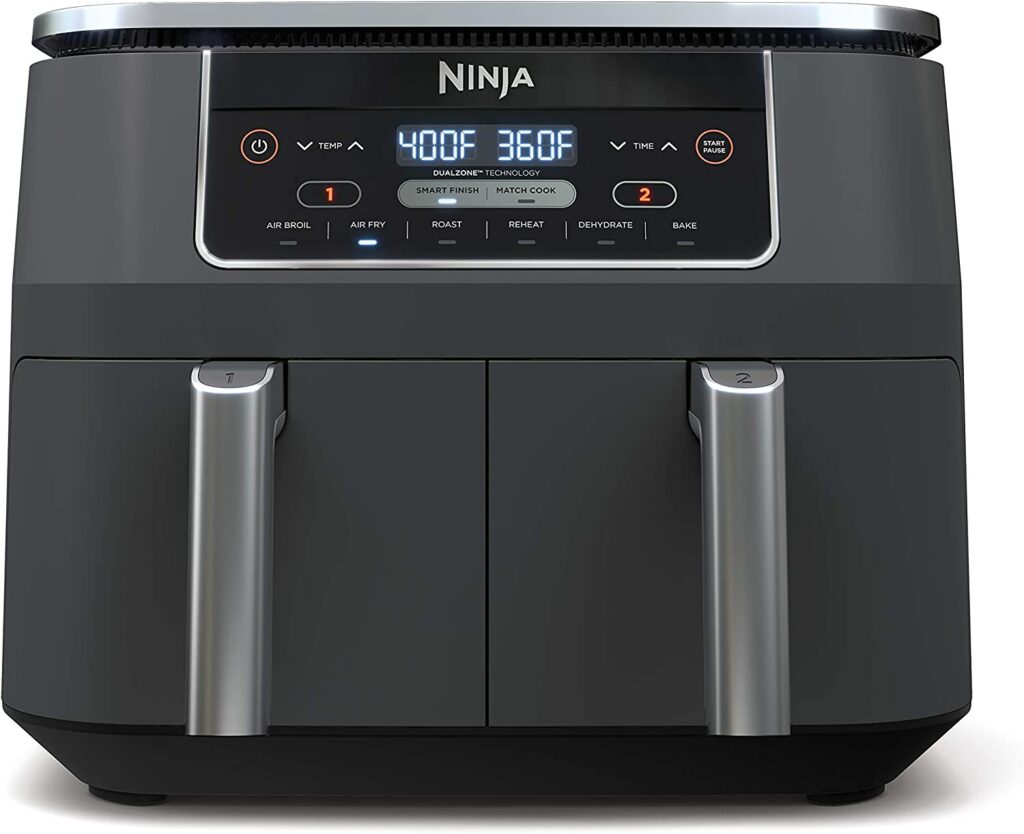
Frozen food has become a staple in modern kitchens due to its convenience, long shelf life, and variety. From crispy chicken wings to golden French fries, frozen foods allow you to enjoy delicious meals without hours of preparation. Yet, achieving the perfect texture and flavor from frozen items can be a challenge-enter the air fryer. Air fryers have revolutionized home cooking, allowing frozen foods to crisp up beautifully without the excess oil of traditional frying. They use rapid air circulation to cook food evenly, making them ideal for achieving that restaurant-quality crunch. In this guide, we’ll dive deeply into everything you need to know about cooking frozen food in an air fryer, including the perfect temperatures, cooking times, and expert tips to ensure every bite is crispy, golden, and delicious.
Optimal Air Fryer Temperature To Cook Frozen Food In Air Fryer
Temperature is one of the most critical factors in air frying frozen foods. The right temperature ensures food cooks evenly on the inside while achieving a golden, crispy exterior.
For most frozen foods, the optimal air fryer temperature ranges from 350°F to 400°F (175°C to 200°C). Here’s a breakdown based on the type of frozen food:
- French fries and potato wedges: 400°F (200°C)
- Chicken nuggets, tenders, or wings: 380-400°F (193-200°C)
- Fish sticks or fillets: 375°F (190°C)
- Vegetables (like broccoli, cauliflower, or green beans): 350-375°F (175-190°C)
- Frozen dumplings or spring rolls: 380°F (193°C)
The principle is simple: thicker or denser foods benefit from slightly lower temperatures to prevent overcooking the exterior while the inside heats through, while lighter or smaller items can handle higher temperatures for that crispy finish.
How Long To Cook Frozen Food In Air Fryer
Cooking time depends on the size, thickness, and type of frozen food. A general guideline:
- French fries: 15-20 minutes
- Chicken nuggets or tenders: 10-15 minutes
- Chicken wings: 20-25 minutes
- Fish sticks: 8-12 minutes
- Vegetables: 10-15 minutes
- Frozen dumplings: 12-18 minutes
Tip: Always shake or flip your food halfway through cooking. This ensures even browning and prevents soggy spots.
How To Tell If It Is Done
The air fryer doesn’t automatically tell you when your food is done, so visual and tactile cues are important:
- Color and Crispness: Look for a golden-brown exterior with a firm, crispy texture.
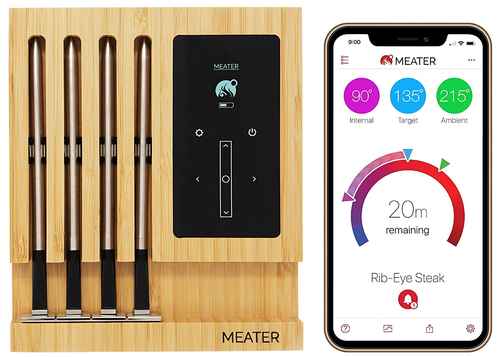
- Internal Temperature: For meat, use a meat thermometer. Chicken should reach 165°F (74°C), while fish should hit 145°F (63°C).
- Texture: Foods like French fries or nuggets should be hot all the way through and no longer feel icy in the center.
Ingredients Needed
One of the benefits of cooking frozen food in an air fryer is its simplicity. Most items don’t require additional ingredients, but you may enhance flavor with:
- Cooking spray or a small amount of oil for extra crispiness
- Salt, pepper, or seasoning blends
- Optional dips like ketchup, ranch, or aioli
For homemade frozen items, ensure they are fully frozen but not icy wet, which can affect cooking.
How To Cook Frozen Food In Air Fryer
- Preheat the air fryer (recommended but not always necessary): 3-5 minutes at the target cooking temperature.
- Arrange frozen items in a single layer in the basket, leaving space for airflow. Overcrowding can lead to uneven cooking.
- Apply a light coat of oil if desired. This is optional but helps achieve extra crispiness.
- Set the temperature and timer based on the food type.
- Shake or flip halfway through cooking for uniform browning.
- Check doneness visually, by touch, or with a thermometer.
- Serve immediately for the best texture.
What If I Use A Different Air Fryer Temperature?
Changing the temperature can significantly affect the outcome:
- Higher Temperature: Cooking faster, but there’s a risk of burning the exterior before the interior is cooked. Best for small or thin items.
- Lower Temperature: Reduces the risk of burning and allows the inside to cook more evenly, but it may result in a less crispy texture. Ideal for thicker items like chicken wings or stuffed foods.
Adjust cooking time accordingly if you change the temperature.
What If I Use A Different Air Fryer Cooking Time?
Altering the cooking time can also affect results:
- Shorter Cooking Time: Food may be undercooked or not achieve the desired crispiness.
- Longer Cooking Time: Food could dry out, burn, or over-crisp.
Always check on the food midway if experimenting with different timings to prevent mishaps.
When Things Go Wrong
Even with air fryers, things can go wrong:
- Soggy food: Usually caused by overcrowding, not preheating, or too low temperature.
- Burned exterior, raw interior: Temperature too high or food too thick for the set cooking time.
- Uneven cooking: Basket overcrowding or not shaking/flipping halfway through.
Most problems are easily fixed by adjusting temperature, cooking time, or air circulation.
Expert Tips
- Preheat for better crispiness: Even 3-5 minutes can make a difference.
- Shake, flip, or rotate: Air fryers cook best with proper airflow.
- Avoid overcrowding: Cook in batches if necessary.
- Spray lightly with oil: Helps achieve a golden finish without deep frying.
- Use the right basket or tray: Perforated trays allow optimal air circulation.
- Check frequently: Air fryers vary by brand and size; use visual cues and temperature checks.
FAQs
Can I Cook Frozen Food Directly In An Air Fryer Without Thawing?
Yes, most frozen foods can be cooked directly in an air fryer without thawing. Air fryers are designed to circulate hot air evenly, which cooks frozen items efficiently. However, cooking times may need to be slightly longer compared to fresh or thawed food.
Do I Need To Add Oil When Cooking Frozen Food In An Air Fryer?
It depends on the type of food. Many frozen foods, especially pre-packaged items like fries or chicken nuggets, already contain some oil, so additional oil is optional. Adding a light coating of oil can enhance crispiness, particularly for vegetables or breaded items.
What Temperature Should I Set My Air Fryer For Frozen Foods?
The ideal temperature for cooking frozen foods in an air fryer generally ranges between 350°F (175°C) and 400°F (200°C). Foods like frozen fries or nuggets usually cook well at 400°F, while delicate items like fish fillets or vegetables may require 350°F to avoid burning.
How Long Does It Take To Cook Frozen Food In An Air Fryer?
Cooking times vary depending on the type and size of the frozen food. Small items like chicken nuggets may take 8-12 minutes, while larger items like breaded fish or frozen fries may require 15-25 minutes. It’s important to shake or flip the food halfway through for even cooking.
Should I Preheat The Air Fryer Before Cooking Frozen Food?
Preheating the air fryer is generally recommended for frozen foods, as it ensures that cooking starts immediately at the correct temperature. Most air fryers require 3-5 minutes of preheating, although some models can cook frozen food without preheating.
Can I Cook Multiple Types Of Frozen Foods At The Same Time?
Yes, but it requires careful timing. Foods with similar cooking times and temperatures can be cooked together. For best results, arrange items in a single layer without overcrowding to ensure proper air circulation and even cooking.
How Do I Know When Frozen Food Is Fully Cooked In An Air Fryer?
The best way to check doneness is to use a food thermometer for meat-based items. Chicken should reach an internal temperature of 165°F (74°C), and other items should be golden brown and crispy on the outside. Shaking or cutting into the food can also help check if it is cooked thoroughly.