
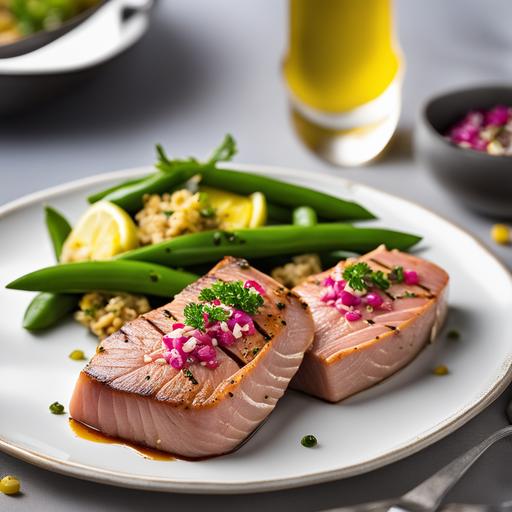
How To Cook Frozen Tuna Steaks In Air Fryer [FULL GUIDE]
Recommended Equipments:
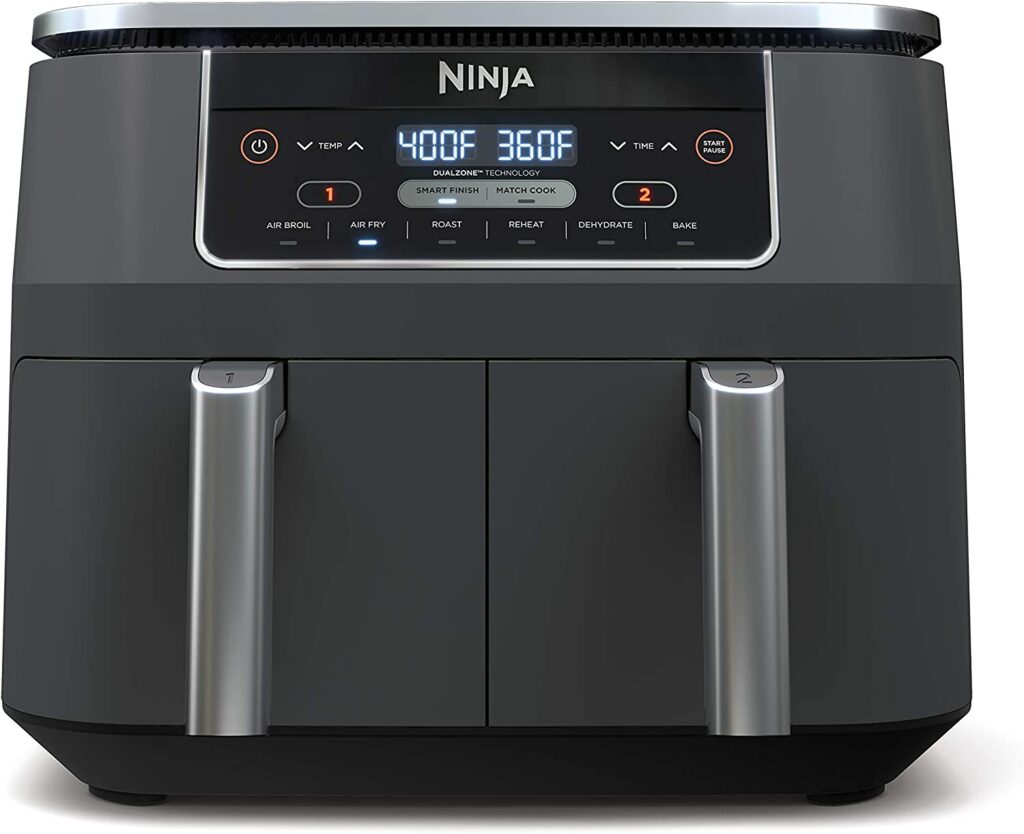
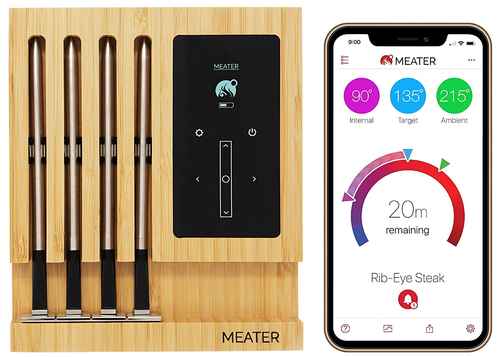
Cooking tuna steaks is an art that balances flavor, texture, and precise timing. Tuna, particularly when fresh, offers a meaty yet delicate texture that can be ruined if overcooked. Frozen tuna steaks, while convenient, introduce an extra challenge: ensuring they cook evenly without drying out or losing their natural flavor. The air fryer, with its ability to circulate hot air rapidly, has emerged as an ideal tool for cooking frozen tuna quickly and efficiently. It promises a beautifully seared exterior and a tender interior, but achieving this requires careful attention to temperature, timing, and technique. In this guide, we explore every nuance of cooking frozen tuna steaks in an air fryer, from the ideal temperature to expert troubleshooting tips.
Optimal Air Fryer Temperature To Cook Frozen Tuna Steaks In Air Fryer
Temperature is the cornerstone of air fryer cooking. For frozen tuna steaks, the sweet spot typically lies between 380°F (193°C) and 400°F (204°C). Cooking at a lower temperature (around 350°F / 177°C) can result in uneven cooking, leaving the interior cold while the edges overcook. Conversely, temperatures above 400°F (204°C) risk drying out the steak or creating a burnt exterior before the inside is fully thawed.
The goal is to achieve a delicate sear on the outside while ensuring the inside is properly cooked. The air fryer’s circulating hot air efficiently transfers heat, but frozen steaks require a slightly lower starting temperature or a brief preheating stage to ensure even cooking throughout the thick flesh.
How Long To Cook Frozen Tuna Steaks In Air Fryer
Cooking time depends largely on the thickness of the tuna steak and the air fryer model. For standard 1-inch thick frozen tuna steaks:
- Initial cook: 10-12 minutes at 380-400°F (193-204°C).
- Flip halfway through: About 5-6 minutes on each side for even browning.
Thicker cuts, such as 1.5-2 inches, may require an extra 3-5 minutes. It’s crucial to resist the temptation to overcook; tuna is best served slightly pink in the center unless a fully cooked texture is desired.
How To Tell If It Is Done
Unlike chicken or pork, tuna does not need to be cooked to a high internal temperature to be safe. The ideal internal temperature for a perfectly cooked tuna steak is:
- Medium-rare: 115-120°F (46-49°C)
- Medium: 125-130°F (52-54°C)
- Well done: 140°F (60°C) and above
A meat thermometer is the most reliable way to check doneness. Additionally, the texture should be firm yet slightly springy, and the flesh should flake easily with a fork. Overcooked tuna will appear dry and chalky, losing its signature buttery texture.
Ingredients Needed
To maximize flavor and ensure the tuna cooks beautifully, you will need:
- 2 frozen tuna steaks (1-inch thick recommended)
- 1-2 tablespoons olive oil or avocado oil
- Salt and freshly ground black pepper
- Optional: garlic powder, paprika, lemon zest, or dried herbs for seasoning
- Lemon wedges for serving
How To Cook Frozen Tuna Steaks In Air Fryer
- Preheat the air fryer to 380-400°F (193-204°C).
- Prepare the tuna steaks: Lightly brush each steak with oil and season both sides with salt, pepper, and optional spices.
- Place the steaks in the air fryer basket, leaving space between each piece for proper air circulation.
- Cook for 5-6 minutes per side, flipping halfway. Check for doneness with a thermometer. If the internal temperature has not reached your desired level, cook in additional 1-2 minute increments.
- Remove and rest the steaks for 2-3 minutes before serving. This allows juices to redistribute and enhances flavor.
- Serve with lemon wedges or your favorite side dishes.
What If I Use A Different Air Fryer Temperature?
Using a lower temperature (e.g., 350°F / 177°C) may require an additional 2-5 minutes of cooking per side, which can affect texture, making it more uniformly cooked but less seared. Higher temperatures (420°F / 215°C or more) will create a crispier exterior faster but risk a raw center or burnt edges. The key is monitoring doneness with a thermometer rather than relying solely on time.
What If I Use A Different Air Fryer Cooking Time?
Cooking for less time may leave the tuna undercooked and frozen in the center, while extending the cooking time risks drying it out. Always adjust incrementally and check the internal temperature frequently. Remember that the air fryer continues to cook the tuna slightly after removal due to residual heat, so factor in a short resting period.
When Things Go Wrong
- Dry or overcooked tuna: Reduce the temperature slightly and shorten cooking time next attempt. Adding a light oil coating can also help retain moisture.
- Undercooked center: Cook in 1-2 minute increments until the desired internal temperature is reached.
- Uneven cooking: Ensure steaks are of uniform thickness and spaced properly in the basket. Flipping halfway through is crucial.
Expert Tips
- Pat steaks dry with a paper towel before seasoning to promote browning.
- Use a light coating of oil to prevent sticking and enhance searing.
- Consider a marinade for extra flavor-soy sauce, citrus, or ginger-based marinades work beautifully.
- Check internal temperature with a probe rather than guessing based on appearance.
- Rest before slicing: Tuna continues to cook slightly after removal; resting prevents overcooking.
- Avoid overcrowding the air fryer basket; air circulation is key for even cooking.
FAQs
Can You Cook Tuna Steaks Directly From Frozen In An Air Fryer?
Yes, you can cook tuna steaks directly from frozen in an air fryer. However, it is recommended to season them first and adjust cooking times to ensure they cook evenly without drying out.
What Is The Ideal Temperature To Cook Frozen Tuna Steaks In An Air Fryer?
The ideal temperature is typically 400°F (200°C). This high heat helps sear the outside while cooking the inside evenly. Adjustments may be necessary depending on steak thickness.
How Long Should Frozen Tuna Steaks Be Cooked In An Air Fryer?
Cooking times usually range from 10 to 15 minutes, flipping halfway through. Thicker steaks may require additional minutes, while thinner cuts cook faster. Checking internal temperature is recommended.
Should Frozen Tuna Steaks Be Thawed Before Air Frying?
Thawing is not strictly necessary, but thawing can lead to more even cooking and allow seasonings to penetrate better. If cooking from frozen, make sure to adjust cooking time to avoid undercooked centers.
Do I Need To Use Oil When Cooking Frozen Tuna Steaks In An Air Fryer?
A light brushing of oil is recommended to prevent sticking and help achieve a golden-brown exterior. Using a high smoke point oil, such as avocado or canola oil, works best.
How Can I Tell When Tuna Steaks Are Done In An Air Fryer?
Tuna steaks are done when the internal temperature reaches 125°F (52°C) for rare, 135°F (57°C) for medium-rare, or 145°F (63°C) for medium. The exterior should have a lightly seared look, while the inside remains moist.
Can I Season Frozen Tuna Steaks Before Air Frying, And What Are Good Seasonings?
Yes, you can season frozen tuna steaks. Simple options include salt, pepper, garlic powder, paprika, or a marinade. Rub the seasonings gently on the surface or brush with marinade, keeping in mind that frozen surfaces may not absorb flavors as readily as thawed meat.