How To Cook Jumbo Shrimp In Air Fryer [FULL GUIDE]
Recommended Equipments:
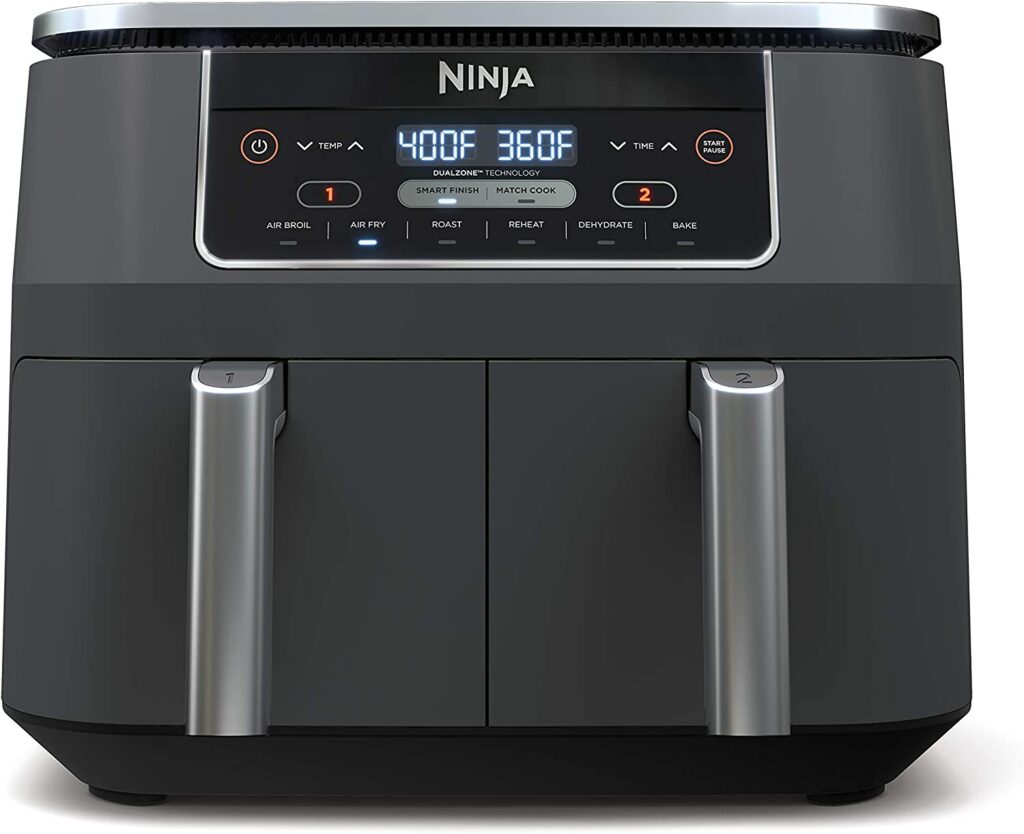
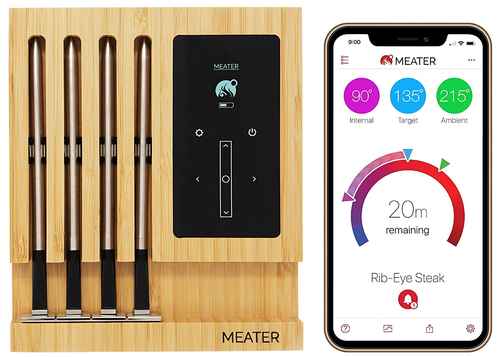
Jumbo shrimp are a culinary delight-succulent, flavorful, and versatile. They can be served as a centerpiece for an elegant dinner, tossed into a vibrant salad, or paired with pasta for a quick, satisfying meal. However, cooking shrimp can be deceptively tricky. Overcooked shrimp become rubbery and lose their delicate, sweet flavor, while undercooked shrimp are unsafe and unappealing. Air fryers offer a modern solution: they provide rapid, even cooking with minimal oil, locking in natural flavors while producing a satisfying texture. Using an air fryer for jumbo shrimp transforms a potentially finicky ingredient into a consistently perfect dish, making it ideal for both busy weeknights and special occasions.
Optimal Air Fryer Temperature To Cook Jumbo Shrimp In Air Fryer
Temperature is critical when cooking jumbo shrimp in an air fryer. Shrimp are delicate, so high heat can quickly turn them from tender to tough. The ideal temperature for air frying jumbo shrimp is around 375°F (190°C). This temperature is high enough to produce a light, crisp exterior while gently cooking the interior, preserving the shrimp’s natural moisture. Cooking at this temperature ensures the shrimp develop a golden color and a lightly caramelized edge without drying out. For shrimp that are breaded or marinated, 375°F also allows coatings to crisp evenly without burning.
Some air fryer models may run hotter or cooler than the displayed temperature. For best results, it’s worth calibrating your air fryer or checking the shrimp halfway through the cooking time to ensure they’re cooking evenly.
How Long To Cook Jumbo Shrimp In Air Fryer
Cooking time is as crucial as temperature. Jumbo shrimp are larger than typical shrimp, which means they require slightly more time to cook through. Generally, cooking jumbo shrimp in an air fryer takes 8-10 minutes at 375°F. It’s recommended to flip the shrimp halfway through cooking to achieve uniform browning and crispness.
- For unseasoned or lightly seasoned shrimp: 8 minutes may suffice.
- For heavily seasoned or breaded shrimp: 9-10 minutes ensures the coating crisps without burning.
The key is to balance cooking long enough for doneness while avoiding overcooking, which can lead to a rubbery texture.
How To Tell If It Is Done
Jumbo shrimp are done when they turn opaque and slightly pink with curled tails. Overcooked shrimp curl into tight circles, whereas properly cooked shrimp form a loose ’C’ shape. You can also check the internal temperature with a kitchen thermometer; the USDA recommends shrimp reach an internal temperature of 120-140°F (49-60°C) for optimal texture. Another method is to gently press the shrimp: if it feels firm but springy, it’s cooked; if it’s mushy, it’s undercooked.
Ingredients Needed
To cook perfect jumbo shrimp in an air fryer, you’ll need the following:
- 1 pound of jumbo shrimp, peeled and deveined
- 1-2 tablespoons olive oil or melted butter
- 1 teaspoon garlic powder or minced garlic
- 1 teaspoon paprika (optional for color and mild smokiness)
- ½ teaspoon salt
- ¼ teaspoon black pepper
- Lemon wedges for serving
- Fresh parsley or other herbs for garnish
Optional for extra flavor: chili flakes, Old Bay seasoning, or a marinade of your choice.
How To Cook Jumbo Shrimp In Air Fryer
- Preheat the air fryer: Set to 375°F for 3-5 minutes.
- Prepare the shrimp: Pat the shrimp dry with paper towels. Toss with olive oil, garlic, paprika, salt, and pepper until evenly coated.
- Arrange shrimp in the basket: Place shrimp in a single layer to ensure even cooking. Avoid overcrowding.
- Cook: Air fry at 375°F for 4-5 minutes, then flip shrimp and continue cooking for another 4-5 minutes.
- Check doneness: Look for opaque flesh, pink color, curled tails, and firm texture.
- Serve: Remove shrimp immediately to prevent carryover cooking. Garnish with parsley and a squeeze of fresh lemon.
What If I Use A Different Air Fryer Temperature?
Cooking shrimp at a higher temperature, such as 400°F, will shorten cooking time and give a more golden, slightly crisp exterior. However, this increases the risk of overcooking the interior. Conversely, cooking at a lower temperature (around 350°F) will produce tender shrimp but may require a longer cooking time and may not develop as much color or crispness. It’s essential to monitor shrimp closely if deviating from the recommended 375°F.
What If I Use A Different Air Fryer Cooking Time?
Adjusting cooking time can affect both texture and safety. Shorter times may leave shrimp undercooked, while longer times can make them tough and rubbery. If you reduce cooking time, check frequently for doneness using visual cues and internal temperature. If extending time, consider lowering the temperature slightly to prevent burning the surface before the inside is fully cooked.
When Things Go Wrong
Even with precise instructions, mishaps can occur:
- Shrimp are rubbery: Likely overcooked. Reduce time slightly or lower temperature.
- Shrimp are undercooked: Increase cooking time in 1-2 minute increments.
- Shrimp stick together: Ensure shrimp are dry before seasoning and arranged in a single layer.
- Uneven cooking: Flip shrimp halfway through and avoid overcrowding.
Air fryers vary widely, so minor adjustments may be necessary for perfect results.
Expert Tips
- Pat dry before seasoning: Moisture inhibits browning.
- Single layer cooking: Overcrowding leads to uneven cooking.
- Light coating of oil: Enhances crispiness without excess fat.
- Flip shrimp halfway: Ensures even color and texture.
- Use a thermometer: Confirms precise doneness.
- Serve immediately: Shrimp continue cooking slightly after removal; overcooking occurs if left in the hot basket.
- Experiment with flavors: Garlic, lemon, paprika, smoked paprika, Old Bay, or even a light honey glaze can elevate shrimp to a restaurant-quality dish.
FAQs
What Is The Best Way To Prepare Jumbo Shrimp Before Air Frying?
Before air frying, clean the jumbo shrimp by peeling and deveining them, leaving the tails on if desired. Pat them dry with paper towels to remove excess moisture, which helps achieve a crispier texture. You can marinate the shrimp with olive oil, garlic, lemon juice, and your choice of spices for at least 15-30 minutes to enhance flavor.
What Temperature Should I Set My Air Fryer To Cook Jumbo Shrimp?
Preheat your air fryer to 400°F (200°C). This temperature allows the shrimp to cook quickly while developing a golden, slightly crispy exterior without overcooking the delicate meat.
How Long Does It Take To Cook Jumbo Shrimp In An Air Fryer?
Cooking jumbo shrimp in an air fryer typically takes 6-8 minutes, depending on their size and your air fryer model. Flip the shrimp halfway through the cooking time to ensure even browning and avoid undercooked spots.
Do I Need To Use Oil When Cooking Shrimp In An Air Fryer?
While air fryers require minimal oil, lightly tossing the shrimp in 1-2 teaspoons of oil helps prevent sticking and promotes a golden-brown crust. Use a high smoke-point oil like olive, avocado, or grapeseed oil for best results.
How Can I Tell If The Jumbo Shrimp Are Fully Cooked?
Jumbo shrimp are fully cooked when they turn pink and opaque with a slight curl in shape. The internal temperature should reach 120-130°F (49-54°C) for optimal texture. Overcooking can make shrimp tough and rubbery.
Can I Cook Frozen Jumbo Shrimp In An Air Fryer?
Yes, but it’s best to thaw them first for even cooking. If cooking from frozen, rinse the shrimp under cold water to remove ice crystals, pat dry, and increase the cooking time by 2-3 minutes, flipping halfway through. Seasoning may not adhere as well to frozen shrimp.
What Are Some Tips For Adding Flavor To Air-fried Jumbo Shrimp?
Marinate the shrimp with herbs, spices, citrus, or garlic before air frying. You can also toss cooked shrimp in a light sauce like garlic butter, lemon pepper, or Cajun seasoning. Avoid heavy breading if you want a crispier shrimp, as too much coating can make the shrimp soggy.