
How To Cook Pastizzi In Air Fryer [FULL GUIDE]
Recommended Equipments:
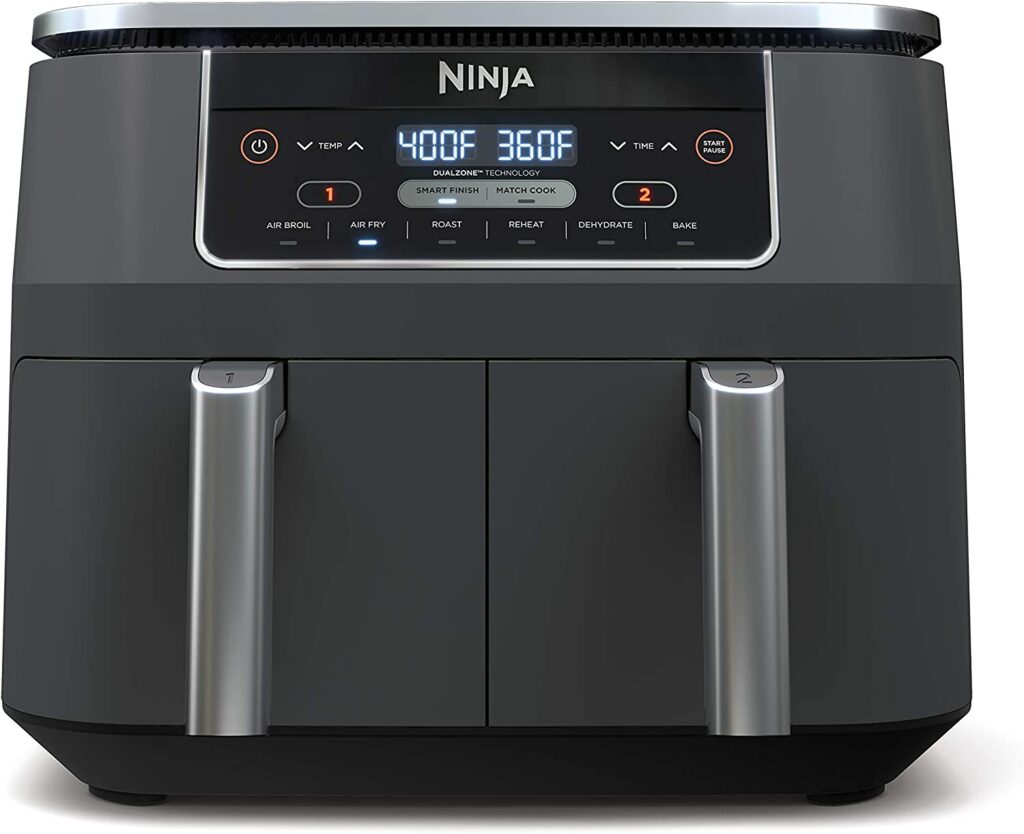
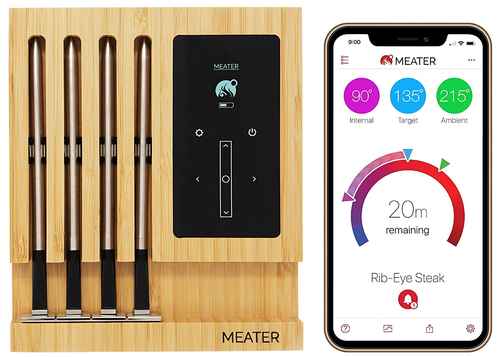
Pastizzi, a quintessential Maltese delicacy, is a flaky pastry that boasts a rich, savory filling-most commonly ricotta or mushy peas. Its delicate, buttery layers paired with a creamy center make it irresistible, but achieving the perfect texture at home can be tricky. Traditional baking methods often yield inconsistent results, leaving you with either a soggy interior or overly browned exterior. Enter the air fryer: a modern kitchen marvel that promises crispiness with less oil, faster cooking times, and exceptional consistency. In this guide, we will explore every aspect of cooking pastizzi in an air fryer, from optimal temperatures to troubleshooting, ensuring your homemade treats come out perfect every time.
Optimal Air Fryer Temperature To Cook Pastizzi In Air Fryer
Temperature is the cornerstone of air frying pastizzi. Too low, and the pastry will fail to crisp; too high, and the exterior will burn before the interior warms through. The ideal temperature for most air fryers is 360°F (182°C). This setting strikes a balance: it allows the delicate layers of pastry to puff up and achieve a golden-brown finish, while gently warming the filling without causing leakage.
If your pastizzi is frozen, consider preheating the air fryer for an additional 2-3 minutes, as this helps maintain the crisp texture. Slight adjustments may be necessary depending on the model and size of your air fryer, but 360°F is a reliable baseline.
How Long To Cook Pastizzi In Air Fryer
Cooking time is another critical factor. Fresh pastizzi generally take 8-12 minutes to cook, while frozen ones require 12-15 minutes. Air fryers circulate hot air rapidly, which speeds up cooking compared to conventional ovens, but timing can vary based on pastry size and thickness.
A useful tip is to start checking at the earlier end of the suggested range. Opening the air fryer too frequently is not ideal, but a quick peek ensures your pastizzi does not overcook. The goal is a pastry that is golden-brown and crisp, with a warm, fully heated interior.
How To Tell If It Is Done
Determining doneness is more than just eyeballing color. A perfectly cooked pastizzi should have:
- Golden, flaky exterior – Lightly tap the top; it should feel crisp.
- Even browning – No dark burnt spots or pale undercooked areas.
- Warm filling – The center should be heated through without being watery or cold.
For added precision, a thermometer can be used: the internal temperature should reach 165°F (74°C), particularly for pastizzi containing cheese or meat fillings.
Ingredients Needed
To recreate authentic pastizzi, you will need:
- Pastry: Traditional filo or puff pastry works best.
-
Filling
- Ricotta cheese (or curd cheese for authenticity)
- Optional: mushy peas or seasoned spinach
- Seasonings: Salt, pepper, and optionally nutmeg for ricotta filling
- Egg wash: 1 egg, beaten, for brushing the pastry to achieve golden shine
- Oil spray: Light coating of neutral oil to enhance crispiness
These ingredients are readily available, yet when combined thoughtfully, they produce an artisanal treat.
How To Cook Pastizzi In Air Fryer
- Preheat the air fryer to 360°F (182°C).
- Prepare the pastizzi by placing your filling into the pastry and sealing edges carefully to prevent leaks.
- Lightly spray with oil to promote a crisp finish.
- Arrange in the basket without overcrowding-air circulation is key.
- Cook for 8-12 minutes (fresh) or 12-15 minutes (frozen).
- Check halfway and rotate if necessary for even browning.
- Remove carefully with tongs or a spatula to avoid puncturing the pastry.
- Allow to cool 1-2 minutes before serving, as filling will be extremely hot.
What If I Use A Different Air Fryer Temperature?
Adjusting the temperature will affect texture and cooking consistency:
- Lower Temperature (320-340°F / 160-171°C): Longer cook time, risk of undercooked filling; pastry may remain soft rather than crisp.
- Higher Temperature (380-400°F / 193-204°C): Rapid browning, risk of burnt exterior while filling stays cold; can be useful if you prefer extra crunchy edges but must monitor closely.
Always pair temperature adjustments with corresponding changes in cooking time to avoid compromising results.
What If I Use A Different Air Fryer Cooking Time?
Time adjustments can significantly impact texture:
- Shorter Cook Time: Interior may remain cold, pastry soft; ideal for partially pre-cooked or mini pastizzi.
- Longer Cook Time: Risk of overly dry filling and burnt crust; small pastizzi are especially sensitive to overcooking.
A careful balance between temperature and time is essential. When in doubt, err on slightly undercooking-you can always air fry for an extra minute or two.
When Things Go Wrong
Even with precise instructions, mistakes happen:
- Pastry isn’t crispy: Likely due to low temperature or lack of oil spray; increase temperature slightly or spray lightly with oil.
- Filling oozes out: Usually from overfilling or poor sealing; ensure edges are crimped and filling isn’t excessively moist.
- Uneven browning: Could be due to overcrowding or inconsistent air circulation; cook in batches and rotate halfway.
- Burnt edges but cold filling: Temperature too high or cook time too long; reduce temperature and monitor more frequently.
Expert Tips
- Use parchment or air fryer liners for easy cleanup and to prevent sticking.
- Chill filled pastizzi before air frying-prevents premature leakage.
- Rotate mid-way for uniform browning.
- Experiment with fillings-cheese blends, spinach, or spiced peas all work well.
- Serve immediately-air-fried pastizzi is best enjoyed hot for optimal texture and flavor.
FAQs
What Is The Best Temperature To Cook Pastizzi In An Air Fryer?
For perfectly crispy pastizzi, preheat the air fryer to 180°C (356°F). Cooking at this moderate temperature ensures the pastry cooks evenly without burning while allowing the filling to heat thoroughly.
How Long Should Pastizzi Be Cooked In An Air Fryer?
Cook pastizzi for 10-15 minutes, depending on their size and filling. It is recommended to check them around the 8-minute mark to ensure they don’t overcook. Flip them halfway through for even browning.
Do I Need To Thaw Frozen Pastizzi Before Air Frying?
Thawing is optional but recommended. Thawing frozen pastizzi for 15-20 minutes at room temperature helps achieve more even cooking. However, they can be cooked directly from frozen; just increase the cooking time by 2-3 minutes.
Should I Use Oil When Cooking Pastizzi In An Air Fryer?
A light brushing of oil on the pastizzi can enhance browning and crispiness, but it is not strictly necessary. The air fryer circulates hot air, which will still produce a golden, crispy exterior.
How Can I Prevent Pastizzi From Sticking To The Air Fryer Basket?
To prevent sticking, either lightly brush the basket with oil or line it with perforated parchment paper. Avoid overcrowding the basket to allow proper air circulation.
Can I Cook Different Types Of Pastizzi (ricotta, Pea) Together In The Air Fryer?
Yes, you can cook different types together as long as they are similar in size. Keep in mind that cooking times may vary slightly if fillings differ in moisture content, so monitor them closely for even browning.
How Do I Know When Air-fried Pastizzi Are Done?
Pastizzi are done when the pastry is golden brown, crispy, and puffed, and the filling is hot. For cheese or ricotta fillings, it should be melted and slightly bubbling. You can gently tap the top of the pastry to check for a firm, crisp texture.