
How To Cook Personal Pan Pizza In Air Fryer [FULL GUIDE]
Recommended Equipments:
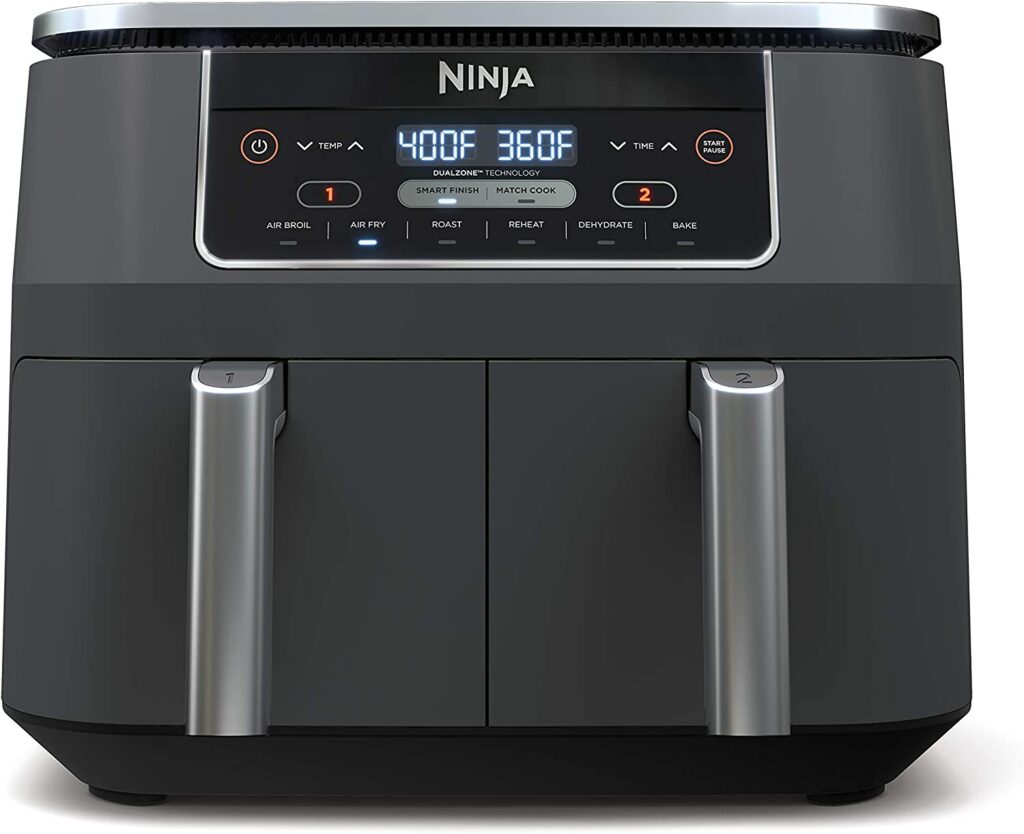
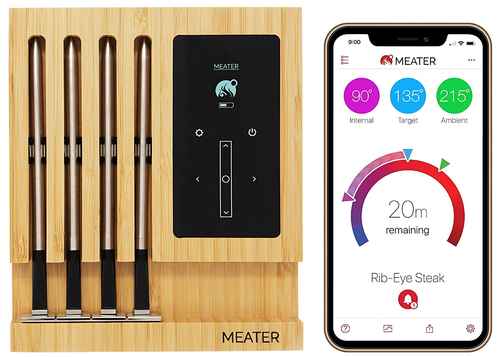
The humble personal pan pizza is a canvas for culinary creativity: a crispy, golden crust, bubbling cheese, and a medley of toppings that satisfy even the most discerning cravings. Traditionally baked in an oven, personal pan pizzas have found a new home in air fryers-compact, versatile appliances that promise a faster cooking time, perfectly crisped crusts, and evenly melted cheese. Air fryers work by circulating hot air rapidly around the food, mimicking the effect of deep frying but with far less oil. This makes them ideal for creating a personal pizza that is both indulgent and convenient. In this guide, we will explore the optimal temperature, cooking times, and techniques to ensure your air-fried personal pan pizza comes out restaurant-quality every time.
Optimal Air Fryer Temperature To Cook Personal Pan Pizza In Air Fryer
Temperature is the secret ingredient in air fryer pizza perfection. For personal pan pizzas, a moderate heat is ideal-high enough to crisp the crust without burning the toppings or leaving the dough undercooked. Typically, 375°F to 400°F (190°C to 205°C) provides the perfect balance.
At 375°F, the pizza cooks gently, allowing the cheese to melt slowly and the crust to develop a golden brown edge without charring. On the other hand, 400°F accelerates browning, giving a slightly crunchier exterior and lightly toasted toppings. Lower temperatures may result in a soggy base and unevenly cooked toppings, while excessively high temperatures can scorch the crust before the cheese has properly melted.
Air fryers vary in their heating efficiency, so it’s essential to know your model’s tendencies. Some air fryers have hotspots or may cook faster than others, which may require slight adjustments to the temperature.
How Long To Cook Personal Pan Pizza In Air Fryer
Timing is critical for air fryer pizza success. A typical personal pan pizza, roughly 6-8 inches in diameter, usually cooks between 7 to 12 minutes at the recommended temperature range.
- 7-9 minutes: The crust is tender, and the cheese is fully melted but may not be deeply browned. Ideal if you prefer a softer bite.
- 10-12 minutes: Crust becomes crispier, cheese may form golden bubbles, and toppings take on a lightly roasted flavor.
It is crucial to start checking the pizza around the 7-minute mark, as air fryers cook rapidly and overcooking can easily occur.
How To Tell If It Is Done
Determining doneness is a multi-sensory experience:
- Visual cues: The cheese should be fully melted and slightly golden, with some bubbling around the edges. The crust should appear crisp and golden-brown.
- Touch test: Gently press the crust; it should spring back slightly, indicating a well-cooked base. A soft or doughy feel signals undercooking.
- Smell: The aroma of toasted dough and melted cheese is a natural indicator that the pizza is nearing perfection.
Using these signs in combination ensures your pizza is cooked evenly without relying solely on the clock.
Ingredients Needed
To make a classic personal pan pizza in the air fryer, gather the following:
- Dough: Either store-bought personal pizza dough or homemade.
- Tomato sauce: A simple marinara or pizza sauce.
- Cheese: Mozzarella is traditional, but you can blend with cheddar, provolone, or parmesan for depth.
- Toppings: Pepperoni, mushrooms, bell peppers, onions, olives, or any favorite ingredients.
- Oil or cooking spray: Optional, to lightly coat the air fryer basket for crisping.
How To Cook Personal Pan Pizza In Air Fryer
- Preheat the air fryer to 375-400°F. Preheating ensures even cooking from the first second.
- Prepare the dough: Roll out or press your dough into a round slightly smaller than your air fryer basket. Lightly oil the base if desired.
- Assemble the pizza: Spread a thin layer of sauce, sprinkle cheese evenly, and arrange toppings. Avoid overloading, as excess moisture can hinder crisping.
- Air fry: Place the pizza in the preheated basket. Cook for 7-12 minutes, checking for doneness around the 7-minute mark.
- Remove and rest: Let the pizza sit for 1-2 minutes after cooking to allow the cheese to set and the crust to firm up.
What If I Use A Different Air Fryer Temperature?
Adjusting the temperature affects texture and cooking time.
- Lower temperatures (325-350°F): Slower cooking, less browning, softer crust. May require 12-15 minutes.
- Higher temperatures (410-425°F): Faster browning, crispier crust, but risk of burnt edges if not monitored closely.
- Adjust the cooking time accordingly and check frequently to prevent burning.
What If I Use A Different Air Fryer Cooking Time?
Cooking time directly influences texture and doneness:
- Shorter cooking time: The cheese may not melt fully, and the crust could remain undercooked.
- Longer cooking time: The pizza may overcook, resulting in a dry crust and overly browned or burnt cheese.
Always rely on visual cues and touch rather than just the clock, as air fryer models can vary.
When Things Go Wrong
Sometimes, air-fried pizzas don’t turn out as expected:
- Soggy crust: Likely caused by too low a temperature or excessive toppings. Preheating the air fryer or reducing sauce can help.
- Burnt edges: Could result from high heat or prolonged cooking. Lower the temperature slightly and shorten cook time.
- Unevenly melted cheese: Avoid overcrowding toppings; distributing cheese evenly improves melting.
Most issues can be corrected by adjusting temperature, time, or assembly techniques.
Expert Tips
- Use parchment paper or a perforated liner to prevent sticking without obstructing airflow.
- Rotate the pizza mid-way for even browning, especially in air fryers with hotspots.
- Pre-cook dense toppings like mushrooms or sausage to avoid excess moisture.
- Experiment with cheese blends for flavor depth and browning potential.
- Don’t overload: A thin layer of sauce and moderate toppings allows for optimal crisping.
FAQs
What Temperature Should I Set My Air Fryer To For Cooking A Personal Pan Pizza?
For cooking a personal pan pizza in an air fryer, preheat the appliance to 375°F (190°C). This temperature allows the crust to become golden and crispy while ensuring the cheese melts evenly without burning the toppings.
How Long Does It Take To Cook A Personal Pan Pizza In An Air Fryer?
Typically, a personal pan pizza takes about 8 to 12 minutes to cook in an air fryer. The exact time depends on the thickness of the crust and the number of toppings. Check the pizza around the 8-minute mark and continue cooking until the cheese is fully melted and the crust is crispy.
Do I Need To Preheat The Air Fryer Before Cooking The Pizza?
Yes, preheating the air fryer is recommended. Preheating ensures that the pizza cooks evenly and the crust achieves a crisp texture. Preheat for about 3-5 minutes before placing the pizza inside.
Can I Use Frozen Personal Pan Pizza In An Air Fryer?
Absolutely. Frozen personal pan pizzas can be cooked directly in the air fryer. Increase the cooking time slightly, usually by 2-3 minutes, and check to make sure the center is heated through and the cheese is bubbling.
Should I Use Oil Or Parchment Paper In The Air Fryer?
Using a small amount of oil or parchment paper is optional. Lightly greasing the basket can prevent sticking, and parchment paper can make cleanup easier. Ensure the parchment paper does not block the airflow or extend beyond the basket to avoid fire hazards.
Can I Cook Multiple Personal Pan Pizzas At Once In An Air Fryer?
It is not recommended to stack pizzas or overcrowd the air fryer basket, as this prevents even cooking. If your air fryer is large enough, you may be able to cook two pizzas side by side, but always ensure there is adequate space around each pizza for proper air circulation.
How Do I Know When My Personal Pan Pizza Is Done In The Air Fryer?
The pizza is done when the cheese is fully melted and slightly bubbly, and the crust is golden brown and crispy. You can also gently lift the edge of the crust to check the bottom. If it is firm and golden, the pizza is ready to serve.