
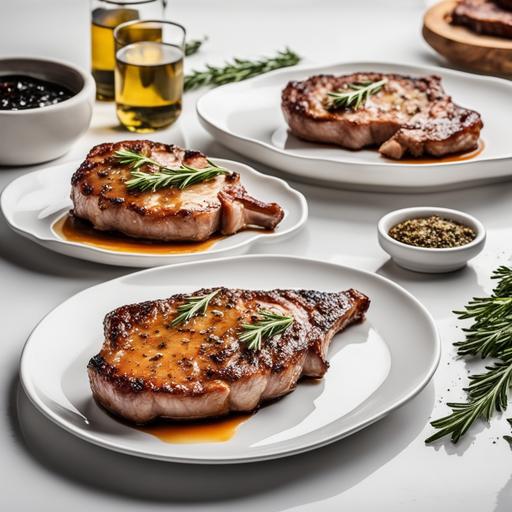
How To Cook Pork Steak In Air Fryer [FULL GUIDE]
Recommended Equipments:
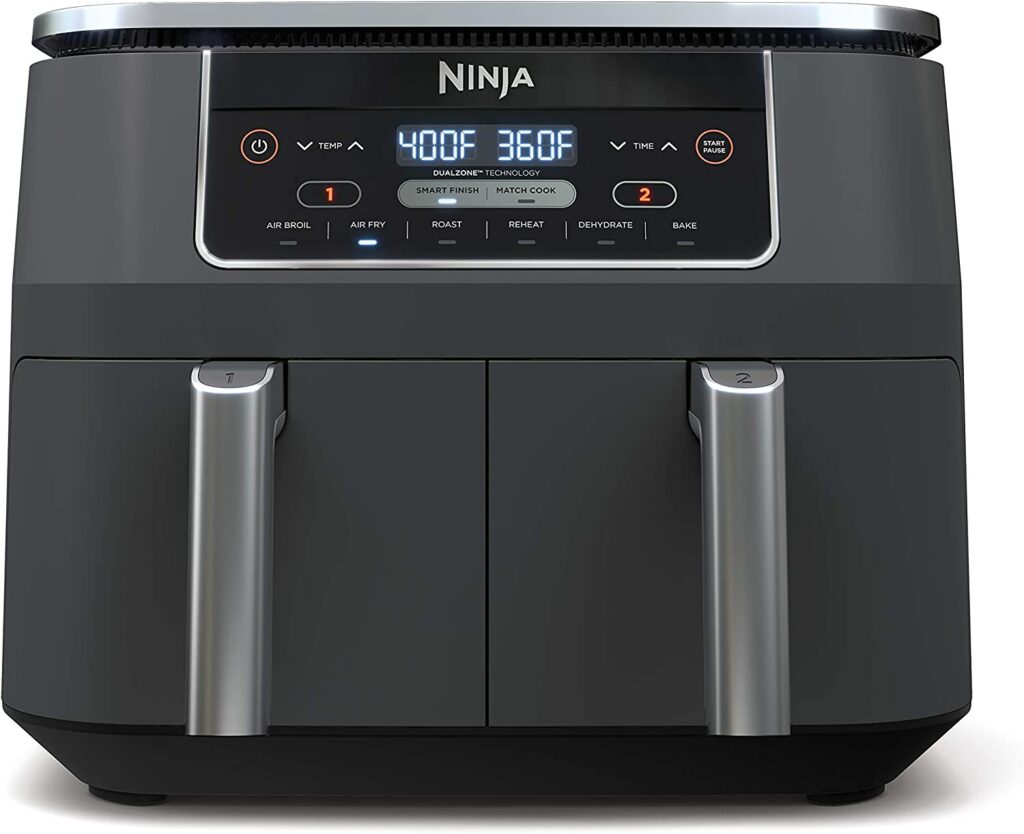
Pork steak is a flavorful, juicy cut of meat that comes from the shoulder or loin, known for its tenderness and rich marbling. When cooked correctly, it offers a succulent experience that rivals traditional pan-searing or grilling. However, achieving that perfect balance of crisp exterior and tender interior can be tricky. Enter the air fryer-a kitchen marvel that uses high-speed circulating hot air to cook food evenly, creating a crispy texture without the need for excessive oil. Air frying pork steak not only reduces cooking fat but also preserves the natural flavors and juices of the meat, making it a healthier yet equally indulgent option. This guide dives deep into the science, technique, and nuances of air frying pork steak, ensuring you get consistently delicious results every time.
Optimal Air Fryer Temperature To Cook Pork Steak In Air Fryer
Temperature is the most critical factor in air frying pork steak. The sweet spot lies between 375°F to 400°F (190°C to 205°C). At this range, the exterior of the pork steak develops a golden-brown sear without overcooking the interior. Cooking at 375°F is ideal for thicker cuts, allowing the heat to penetrate slowly and cook the meat evenly. Higher temperatures around 400°F are better suited for thinner cuts or when you want a slightly crispier outer layer. Temperatures lower than 350°F may lead to uneven cooking, while temperatures higher than 420°F risk drying out the meat before the center reaches a safe temperature.
How Long To Cook Pork Steak In Air Fryer
Cooking time depends on the thickness of the steak and the temperature used. For a standard 1-inch thick pork steak, the approximate times are:
- 375°F (190°C): 12-15 minutes, flipping halfway through.
- 400°F (205°C): 10-13 minutes, flipping halfway.
Thicker cuts of 1.5-2 inches may require 18-22 minutes at 375°F to ensure the inside cooks fully without burning the outside. Always flip the steak halfway to promote even browning and ensure both sides develop a rich, caramelized crust.
How To Tell If It Is Done
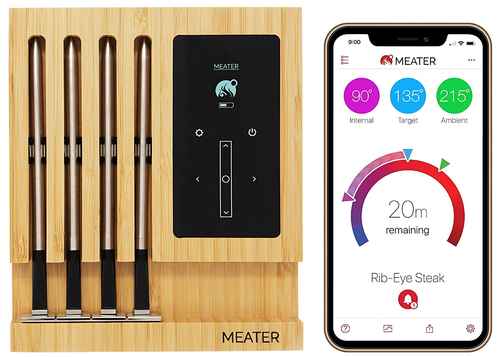
The key indicator of doneness is internal temperature. Pork should reach a minimum of 145°F (63°C), followed by a 3-minute rest period. Using a digital meat thermometer inserted into the thickest part of the steak ensures precision.
Additional visual cues include:
- The juices run clear, not pink.
- The surface has a golden-brown crust, slightly crispy but not charred.
- The meat is firm to the touch but still slightly springy, indicating it’s moist inside.
Cutting into the steak prematurely can release valuable juices, so rely on temperature readings and external cues first.
Ingredients Needed
For a simple yet flavorful pork steak, you’ll need:
- 2 pork steaks (1-1.5 inches thick)
- 1-2 tablespoons olive oil or melted butter
- 1 teaspoon salt
- 1/2 teaspoon black pepper
- 1 teaspoon garlic powder
- 1 teaspoon smoked paprika (optional for smoky flavor)
- 1/2 teaspoon onion powder
- Optional: fresh herbs like rosemary or thyme for garnish
Marinating the pork for 30 minutes to a few hours can enhance flavor and tenderness, but even a simple seasoning rub works beautifully in the air fryer.
How To Cook Pork Steak In Air Fryer
- Preheat the Air Fryer: Set it to 375°F or 400°F for 3-5 minutes. Preheating ensures an immediate sear.
- Prepare the Steak: Pat dry, then rub with olive oil and season generously with your chosen spices.
- Place in Basket: Arrange the pork steaks in a single layer with space between them for proper air circulation.
- Cook: Air fry for the recommended time, flipping halfway through.
- Check Doneness: Use a meat thermometer to ensure the internal temperature reaches 145°F.
- Rest: Let the pork steak rest for 3-5 minutes. This allows juices to redistribute, ensuring a moist, tender bite.
What If I Use A Different Air Fryer Temperature?
Adjusting the temperature affects cooking time and texture:
- Lower Temperature (<375°F): Slower cooking prevents burning but may require significantly longer times, risking a less crisp exterior.
- Higher Temperature (>400°F): Faster browning and crispier crust, but higher risk of drying out or uneven cooking, especially for thick cuts.
For experimental cooking, monitor internal temperature closely to avoid overcooking.
What If I Use A Different Air Fryer Cooking Time?
Altering cooking time directly impacts doneness:
- Shorter Time: Meat may be undercooked and unsafe if below 145°F. Always check with a thermometer.
- Longer Time: Meat can dry out and lose tenderness. Consider reducing the temperature slightly if you want to extend cooking without sacrificing juiciness.
When Things Go Wrong
Common issues include:
- Dry Pork Steak: Usually caused by overcooking or too high a temperature. Solution: reduce heat and monitor internal temperature.
- Uneven Browning: Often occurs if the basket is overcrowded or steaks are uneven in thickness. Solution: cook in batches and flip halfway.
- Undercooked Center: Thicker cuts need more time at slightly lower temperatures. Always check with a thermometer.
Expert Tips
- Pat meat dry before seasoning to enhance browning.
- Do not overcrowd the air fryer basket; air circulation is key.
- Flip only once midway for the best crust formation.
- Rest the meat after cooking to retain juices.
- Experiment with marinades: acidic marinades with vinegar or citrus can tenderize, while sugar-based rubs can enhance caramelization.
FAQs
What Is The Ideal Temperature To Cook Pork Steak In An Air Fryer?
The ideal temperature for cooking pork steak in an air fryer is generally between 375°F to 400°F (190°C to 204°C). This allows the pork to cook evenly while achieving a nicely browned exterior without drying out the meat.
How Long Should I Cook Pork Steak In An Air Fryer?
Cooking time depends on the thickness of the pork steak. For a 1-inch thick steak, cook for approximately 12 to 15 minutes, flipping halfway through. Thicker cuts may require 18 to 20 minutes, and thinner cuts may need only 8 to 10 minutes.
Should I Marinate Pork Steak Before Air Frying?
Marinating is optional but recommended. A marinade can enhance flavor and tenderness. For best results, marinate pork steak for at least 30 minutes to 2 hours before cooking. Avoid overly sugary marinades that can burn quickly in the air fryer.
Do I Need To Preheat The Air Fryer Before Cooking Pork Steak?
Yes, preheating the air fryer for 3 to 5 minutes ensures even cooking and helps achieve a crisp, caramelized exterior on the pork steak. Some modern air fryers have a preheat function to make this step easier.
How Can I Prevent Pork Steak From Drying Out In An Air Fryer?
To prevent dryness, avoid overcooking and consider brushing the pork with a light layer of oil or using a marinade. Using an instant-read thermometer to check for an internal temperature of 145°F (63°C) will ensure the pork remains juicy and safe to eat.
Do I Need To Flip The Pork Steak During Air Frying?
Yes, flipping the pork steak halfway through the cooking process promotes even browning and helps cook the meat uniformly. This is especially important for thicker cuts.
Can I Cook Frozen Pork Steak In An Air Fryer?
Yes, you can cook frozen pork steak in an air fryer, but it will require a longer cooking time, usually 18 to 25 minutes depending on thickness. It’s recommended to thaw the pork steak if possible for more even cooking and better texture.