
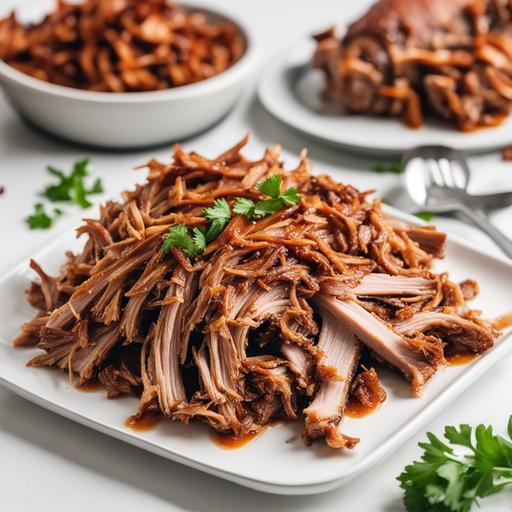
How To Cook Pulled Pork In Air Fryer [FULL GUIDE]
Recommended Equipments:
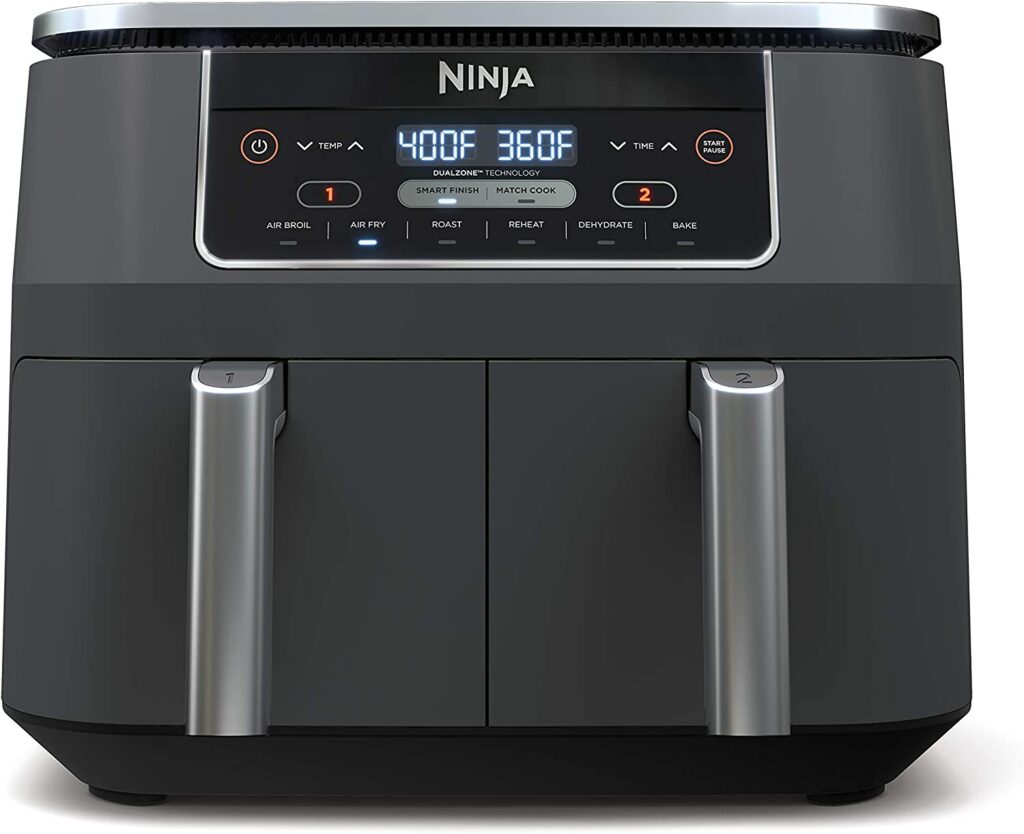
Pulled pork is a quintessential comfort food, renowned for its tender, juicy texture and rich, smoky flavor. Traditionally slow-cooked for hours, the idea of preparing this iconic dish in an air fryer might seem ambitious. Yet, with the right techniques and careful attention, the air fryer can transform raw pork into a flavorful, fall-apart masterpiece in a fraction of the time. Beyond convenience, air frying offers a unique combination of high heat and circulating air, creating a caramelized exterior while maintaining succulent moisture inside. Understanding the nuances of temperature, cooking time, and preparation ensures that your air fryer pulled pork is consistently satisfying, tender, and full of flavor.
Optimal Air Fryer Temperature To Cook Pulled Pork In Air Fryer
Temperature is the most critical factor when air frying pulled pork. Unlike baking or slow-cooking, air fryers use rapid circulation of hot air, which can dry out meat if the heat is too high. For pulled pork, the ideal air fryer temperature usually ranges between 350°F (175°C) and 375°F (190°C).
- 350°F (175°C): This lower setting allows for a slower, more even cooking process, giving connective tissues time to break down while keeping the pork juicy.
- 375°F (190°C): Slightly higher, this temperature accelerates the Maillard reaction, promoting browning and flavor development on the surface. However, cooking at this temperature requires careful monitoring to prevent overcooking or drying.
Maintaining this temperature range ensures a balance between tenderness and caramelization. Preheating the air fryer is essential; a cold start can lead to uneven cooking.
How Long To Cook Pulled Pork In Air Fryer
Cooking time varies depending on the cut and size of the pork. For best results:
- Boneless pork shoulder or pork butt (1-2 lbs): Approximately 45-60 minutes at 350-375°F.
- Smaller portions (under 1 lb): 30-40 minutes may suffice.
It’s advisable to check the pork every 15-20 minutes, flipping or rotating as necessary for even cooking. Since air fryers circulate hot air rapidly, they often cook faster than traditional methods, but internal tenderness must guide timing more than surface color alone.
How To Tell If It Is Done
Pulled pork should be tender enough to shred easily with a fork but not overcooked to dryness. Indicators include:
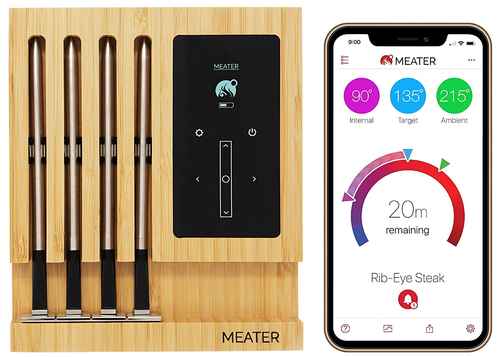
- Internal Temperature: Use a meat thermometer. The pork is ideally cooked when it reaches 195-205°F (90-96°C). This is higher than the usual ’safe’ temperature for pork, as the extra heat is necessary to break down collagen for shredding.
- Texture: Insert two forks into the meat. It should pull apart effortlessly, almost melting in your mouth.
- Juiciness: The pork should release moisture but not appear dry.
Resist cutting too early-pulled pork develops its signature tenderness only after the connective tissue has fully softened.
Ingredients Needed
A simple, high-quality ingredient list can elevate your air fryer pulled pork:
- Pork shoulder or pork butt: 1-2 lbs, trimmed of excess fat.
- Dry rub or seasoning mix: Typically includes salt, black pepper, paprika, garlic powder, onion powder, and brown sugar. Optional additions: chili powder, cumin, smoked paprika.
- Liquid for moisture (optional): Apple cider vinegar, barbecue sauce, or a splash of water to keep the pork moist.
- Barbecue sauce: For finishing or serving.
These ingredients create a flavor profile that mimics traditional slow-cooked pulled pork without overwhelming the meat.
How To Cook Pulled Pork In Air Fryer
- Prep the pork: Pat the pork dry and coat it evenly with your dry rub. Let it sit at room temperature for 15-20 minutes.
- Preheat the air fryer: Set to 350-375°F (175-190°C).
- Cook the pork: Place the pork in the air fryer basket. Cook for 45-60 minutes, flipping halfway through for even browning. Optionally, cover with foil for the first half to prevent excessive drying.
- Check for doneness: Use a thermometer and fork to ensure tenderness.
- Rest and shred: Allow the pork to rest for 10-15 minutes. Shred with two forks, then mix with barbecue sauce if desired.
What If I Use A Different Air Fryer Temperature?
- Higher than 375°F (190°C): Pork may brown too quickly on the outside while remaining undercooked inside. This can also dry out the meat.
- Lower than 350°F (175°C): Cooking will take longer, potentially resulting in less surface caramelization but very tender meat. You may need to extend the cooking time by 10-20 minutes to achieve shreddable consistency.
What If I Use A Different Air Fryer Cooking Time?
- Shorter time: The pork will likely be undercooked and difficult to shred. Check internal temperature to avoid serving raw or tough meat.
- Longer time: Extended cooking can dry out the pork unless you add moisture or wrap it in foil during cooking. A longer cook may be acceptable at lower temperatures for tenderization.
Always prioritize internal temperature and tenderness over clock time.
When Things Go Wrong
Even seasoned cooks encounter mishaps with air fryer pulled pork:
- Dry meat: Often caused by excessive temperature or insufficient fat. Remedy by adding a small amount of water or barbecue sauce and letting it rest.
- Uneven cooking: May occur if pork pieces are crowded. Cook in batches if necessary and rotate during cooking.
- Undercooked pork: Happens if the pork is too thick or air fryer temperature is too low. Always verify with a thermometer.
A little troubleshooting and careful monitoring can save the batch.
Expert Tips
- Use pork with good marbling: Fat content is essential for moisture and flavor.
- Don’t skip the rub: Even a simple salt and pepper mix enhances caramelization and taste.
- Preheat the air fryer: Ensures even cooking from the start.
- Rest before shredding: Locks in juices for tender results.
- Add moisture if needed: A splash of apple juice, water, or vinegar keeps pork from drying during cooking.
FAQs
What Cut Of Pork Is Best For Air Fryer Pulled Pork?
The most suitable cuts for air fryer pulled pork are pork shoulder (also known as pork butt) and pork loin. Pork shoulder is preferred due to its higher fat content, which keeps the meat moist and tender during cooking. Pork loin can also be used for a leaner version but may require careful monitoring to avoid drying out.
How Do I Prepare Pork For Cooking In An Air Fryer?
Start by trimming any excess fat if desired, then season the meat generously with a dry rub, marinade, or a combination of both. Let the pork sit for at least 30 minutes, or refrigerate for several hours or overnight for deeper flavor. Preheating the air fryer for a few minutes can also help ensure even cooking.
What Temperature Should I Use To Cook Pulled Pork In An Air Fryer?
Set the air fryer to 325°F (163°C) for slow and even cooking. For faster cooking, you can increase the temperature slightly to 350°F (177°C), but keep in mind this may reduce tenderness. The internal temperature of the pork should reach at least 195°F (90°C) for easy shredding.
How Long Does It Take To Cook Pulled Pork In An Air Fryer?
Cooking time depends on the size and cut of the pork. For a 2-3 pound pork shoulder, it generally takes 1.5 to 2 hours at 325°F (163°C), turning or rotating the meat halfway through. Smaller cuts like pork loin may take 45 minutes to 1 hour. Always check internal temperature rather than relying solely on time.
Should I Cover The Pork While Cooking In An Air Fryer?
Covering is optional but can help retain moisture. Using aluminum foil or a small oven-safe lid can prevent excessive drying, especially for leaner cuts. However, leaving it uncovered allows the exterior to develop a caramelized, crispy crust, which many people prefer for pulled pork.
How Do I Shred Pulled Pork After Cooking In An Air Fryer?
Once the pork reaches an internal temperature of 195°F (90°C), remove it from the air fryer and let it rest for 10-15 minutes. Use two forks or meat claws to pull the meat apart into shreds. Mixing in some of the rendered juices or barbecue sauce during shredding enhances flavor and moisture.
Can I Cook Frozen Pork In The Air Fryer For Pulled Pork?
It is not recommended to cook frozen pork directly in the air fryer, as it may cook unevenly and dry out the exterior before the center is fully cooked. It is better to thaw the pork completely in the refrigerator first, then season and cook as usual for the best results.