
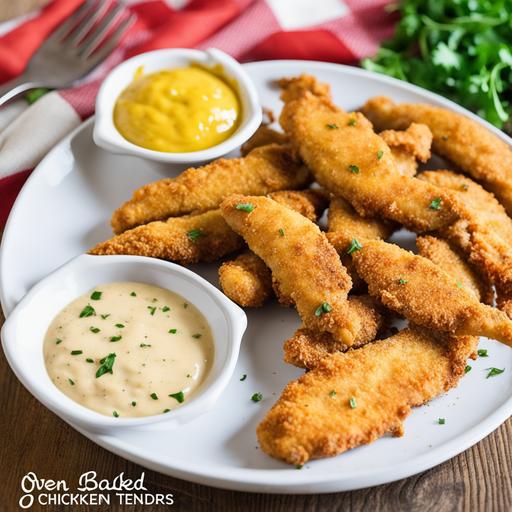
How To Cook Raw Chicken Tenders In Air Fryer [FULL GUIDE]
Recommended Equipments:
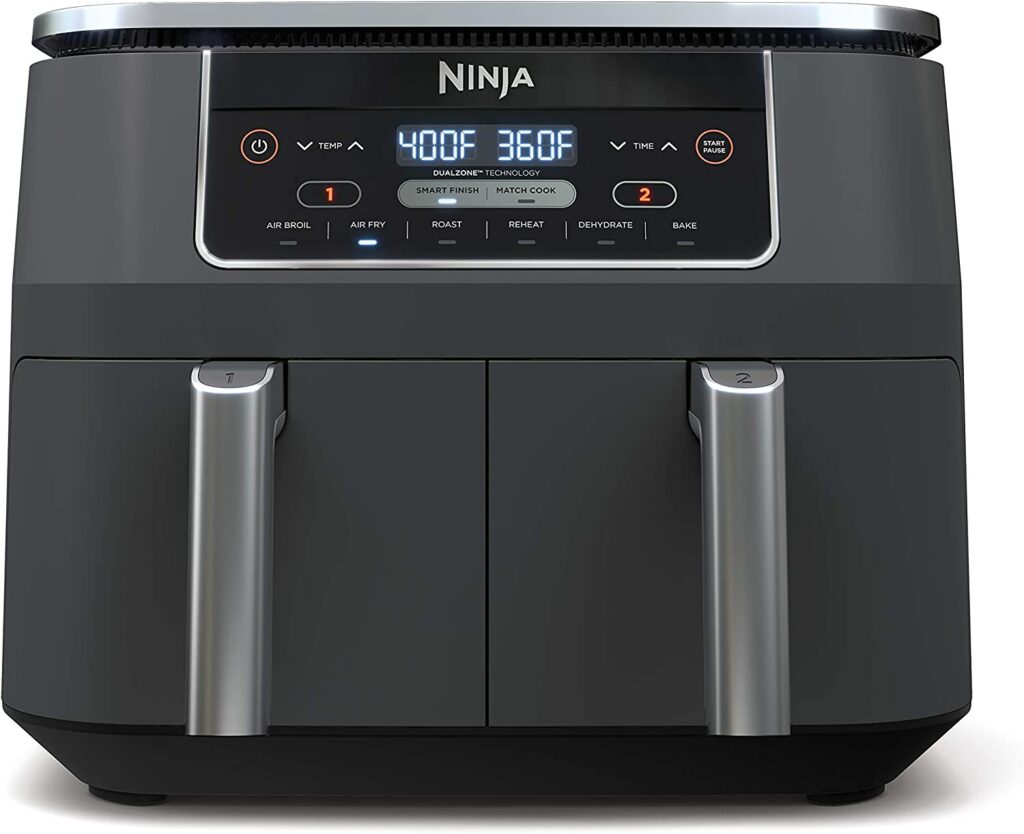
Air fryers have revolutionized home cooking by offering a way to achieve crispy, golden-brown results without deep-frying in oil. Among the many dishes perfectly suited for this versatile appliance, chicken tenders stand out as a crowd favorite. Raw chicken tenders, when cooked correctly, can be juicy on the inside and crisp on the outside, delivering a perfect balance of flavor and texture. Yet, many home cooks struggle with the nuances of cooking raw chicken in an air fryer: What temperature ensures the meat cooks thoroughly without drying out? How long should it remain in the fryer to reach that tender perfection? This guide dives deeply into these questions, offering not just instructions but the reasoning behind them, so you can cook with confidence and precision.
Optimal Air Fryer Temperature To Cook Raw Chicken Tenders In Air Fryer
Temperature control is critical when cooking raw chicken tenders in an air fryer. Setting the right heat ensures the exterior crisps up while the interior reaches a safe temperature for consumption. For most air fryers, a temperature of 400°F (204°C) is ideal.
At this temperature, the chicken tenders develop a golden-brown crust due to the Maillard reaction-a chemical reaction between amino acids and reducing sugars that gives fried foods their characteristic color and flavor. Cooking at lower temperatures, such as 350°F, may lead to uneven browning or extended cooking times, while temperatures above 420°F risk overcooking the exterior before the interior is fully cooked.
The 400°F setting strikes a balance: fast enough to create a crispy outside yet gentle enough to maintain juiciness inside.
How Long To Cook Raw Chicken Tenders In Air Fryer
Cooking time is equally important and depends on the thickness of your chicken tenders. On average, raw chicken tenders take 10 to 12 minutes at 400°F, flipped halfway through cooking for even browning.
- Thin tenders (around 1/2 inch thick): 8-10 minutes.
- Thicker tenders (closer to 1 inch thick): 12-14 minutes.
Remember, these times assume a preheated air fryer. Skipping preheating may require adding 2-3 minutes to the cooking time. Consistency in flipping the tenders ensures both sides crisp evenly without burning or drying out.
How To Tell If It Is Done
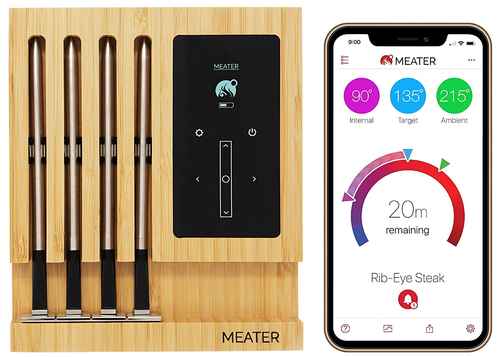
The most reliable way to check doneness is using a meat thermometer. Insert it into the thickest part of a chicken tender; it should read 165°F (74°C).
Visual and tactile cues can also help:
- The exterior should be golden-brown and slightly firm.
- When pressed gently, the meat should spring back.
- There should be no visible pink inside.
Cutting open a tender too early may release juices, making it seem undercooked even if it’s actually safe. Using temperature as the primary indicator prevents guesswork and ensures safety.
Ingredients Needed
To make flavorful air fryer chicken tenders, you’ll need a few simple ingredients:
- Raw chicken tenders: 1 lb (approximately 4-6 pieces)
- Olive oil or cooking spray: 1-2 tablespoons
- Salt and pepper: to taste
- Optional seasonings: paprika, garlic powder, onion powder, cayenne pepper
- Optional coating: breadcrumbs or panko for extra crunch
The ingredients can be adjusted to suit dietary preferences, from gluten-free coatings to spicy marinades.
How To Cook Raw Chicken Tenders In Air Fryer
- Preheat the air fryer: Set it to 400°F (204°C) for 3-5 minutes.
- Season the tenders: Drizzle with olive oil, then sprinkle salt, pepper, and your chosen seasonings. For a crispy coating, press the tenders into breadcrumbs or panko.
- Arrange in the basket: Place tenders in a single layer without overlapping. Overcrowding can lead to uneven cooking.
- Cook: Air fry for 10-12 minutes, flipping halfway through.
- Check doneness: Use a meat thermometer to ensure the internal temperature reaches 165°F (74°C).
- Rest: Let the tenders rest for 2-3 minutes before serving to allow juices to redistribute.
What If I Use A Different Air Fryer Temperature?
Altering the temperature affects texture and cooking time:
- Lower temperatures (350-375°F / 177-190°C): The tenders cook more slowly, reducing the risk of burning but requiring additional time. The exterior may be less crispy.
- Higher temperatures (425-450°F / 218-232°C): The exterior crisps quickly, but the interior may remain undercooked unless you reduce size or cut thickness. Risk of dryness increases.
Always monitor closely when adjusting temperature.
What If I Use A Different Air Fryer Cooking Time?
Cooking time adjustments mainly depend on tender thickness and temperature:
- Shorter time: Undercooked centers are possible; internal temperature may be below 165°F.
- Longer time: The tenders risk drying out and losing juiciness.
It’s essential to pair any time change with thermometer checks rather than relying solely on appearance.
When Things Go Wrong
Even seasoned cooks face mishaps:
- Tenders are dry: Likely overcooked or cooked at too high a temperature. Brining chicken or adding a light coating of oil can help retain moisture.
- Tenders are undercooked: Usually too thick or cooked at too low a temperature. Slice thicker pieces in half and continue cooking, checking frequently.
- Uneven browning: Caused by overcrowding. Cook in batches and shake or flip halfway through.
Learning from these mistakes allows precise adjustments in future attempts.
Expert Tips
- Preheat your air fryer for consistent results.
- Don’t overcrowd the basket; air circulation is key for crisping.
- Use a meat thermometer to avoid guessing.
- Pat chicken dry before seasoning; this helps the coating stick and crisps better.
- Consider a light coating of oil on seasoned tenders for even browning.
- Rest before serving to maintain juiciness.
FAQs
What Temperature Should I Cook Raw Chicken Tenders In An Air Fryer?
Preheat your air fryer to 400°F (200°C). This temperature ensures the chicken tenders cook evenly while achieving a crispy exterior without drying out the inside.
How Long Does It Take To Cook Raw Chicken Tenders In An Air Fryer?
Cooking time typically ranges from 10 to 12 minutes, depending on the thickness of the tenders. Flip them halfway through to ensure even cooking.
Do I Need To Preheat The Air Fryer Before Cooking Chicken Tenders?
Yes, preheating the air fryer for 3-5 minutes helps achieve a consistent temperature, which ensures even cooking and a crispier texture.
Should I Season Or Marinate Chicken Tenders Before Air Frying?
Yes. You can season with salt, pepper, garlic powder, or paprika, or marinate in sauces like teriyaki or buttermilk for extra flavor. Pat the tenders dry before seasoning to help the coating stick better.
Do I Need To Coat Chicken Tenders With Oil Before Air Frying?
Lightly brushing or spraying the chicken tenders with oil is recommended. It promotes browning and crispiness but avoids excess grease, making the dish healthier than traditional frying.
How Do I Know When Chicken Tenders Are Fully Cooked In The Air Fryer?
The internal temperature should reach 165°F (74°C). You can check with a meat thermometer. The outside should be golden brown and slightly crispy.
Can I Cook Frozen Chicken Tenders In The Air Fryer?
Yes. Frozen chicken tenders can be air-fried, but you should increase the cooking time to 15-18 minutes and flip halfway. Adjust seasoning or coating as needed since frozen tenders may release extra moisture.