
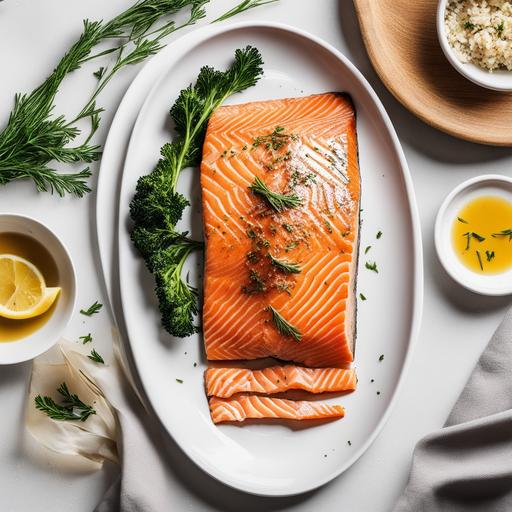
How To Cook Raw Salmon In Air Fryer [FULL GUIDE]
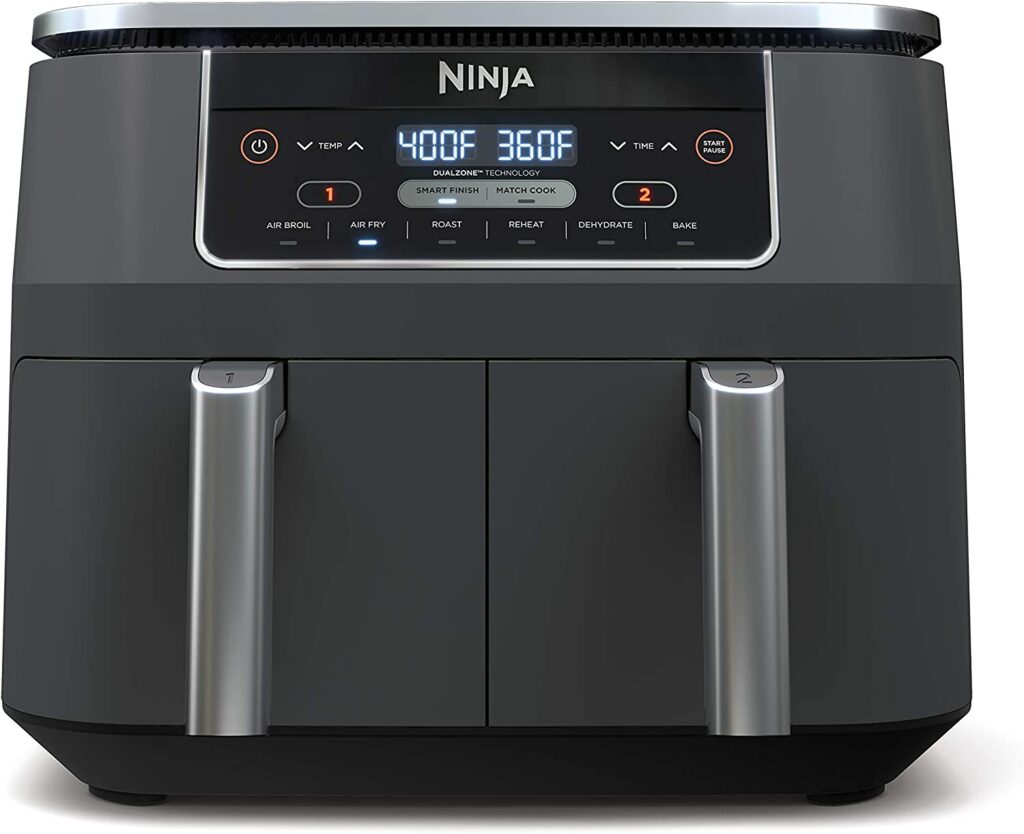
Recommended Equipments:

Air fryers have revolutionized home cooking, offering a way to achieve perfectly crisp textures without drowning foods in oil. Among their many applications, cooking salmon stands out as both healthy and effortless. Salmon is celebrated for its rich flavor, tender texture, and high nutritional value, packed with omega-3 fatty acids, protein, and essential vitamins. Yet, achieving the perfect salmon-crispy on the outside, tender and moist on the inside-can be tricky. Air frying provides a precise, controlled method, allowing the heat to circulate evenly around the fillet, ensuring it cooks thoroughly without drying out. Whether you are a seasoned cook or just exploring salmon recipes, mastering the air fryer technique can elevate your culinary skills and guarantee consistently delicious results.
Optimal Air Fryer Temperature To Cook Raw Salmon In Air Fryer
Temperature is the cornerstone of air frying salmon. The ideal temperature ensures that the salmon cooks evenly, retains its moisture, and develops a subtle, slightly caramelized exterior. Most culinary experts recommend a temperature between 375°F (190°C) and 400°F (204°C).
- 375°F (190°C): Offers a gentler cook, ideal for thicker fillets. This temperature allows the interior to remain moist while gently crisping the surface.
- 400°F (204°C): Faster cooking with slightly more caramelization. It works well for thinner fillets or when you desire a crispier exterior.
Lower temperatures may result in undercooked salmon, while higher temperatures risk drying it out or creating an overly firm texture. Consistency in temperature is key-abrupt changes can make the fillet cook unevenly.
How Long To Cook Raw Salmon In Air Fryer
Cooking time is highly dependent on the thickness of your salmon fillet. A general guideline is:
- Fillets around 1 inch thick: 7-10 minutes at 400°F (204°C).
- Thicker fillets (1.5-2 inches): 10-12 minutes at 375°F (190°C).
For smaller or thinner fillets, checking at the lower end of the time range prevents overcooking. Conversely, thicker cuts benefit from slightly longer cook times at lower temperatures to ensure the center is fully cooked without drying the edges.
How To Tell If It Is Done
Salmon is perfectly cooked when it is opaque and flakes easily with a fork. Key indicators include:
- Color: The salmon should transform from translucent pink to a uniform, opaque hue.
- Texture: A fork inserted at the thickest part should meet minimal resistance, and the flesh should flake easily without crumbling.
- Internal Temperature: For precision, a food thermometer can be used-salmon is safely cooked at 145°F (63°C).
Avoid relying solely on cooking time; visual and textural cues provide more reliable guidance.
Ingredients Needed
To prepare air-fried salmon, the ingredients are simple yet versatile:
- 2 salmon fillets (skin-on or skinless)
- 1-2 teaspoons olive oil or melted butter
- Salt, to taste
- Black pepper, freshly ground
- Optional: garlic powder, paprika, lemon slices, fresh herbs (dill, parsley, or thyme)
These ingredients enhance the natural flavor of the salmon without overwhelming its delicate taste.
How To Cook Raw Salmon In Air Fryer
- Preheat the Air Fryer: Set it to the desired temperature (375°F-400°F). Preheating ensures even cooking.
- Prepare the Salmon: Pat the fillets dry with paper towels. Rub lightly with olive oil and season with salt, pepper, and optional spices or herbs.
- Arrange in Basket: Place the fillets skin-side down (if using skin-on) in the air fryer basket, ensuring space around each fillet for air circulation.
- Cook: Air fry for the recommended time based on fillet thickness. Avoid opening the fryer frequently to maintain consistent heat.
- Check for Doneness: Test with a fork or thermometer as described above.
- Rest: Allow salmon to rest for 2-3 minutes before serving. This step helps juices redistribute, enhancing tenderness.
What If I Use A Different Air Fryer Temperature?
- Lower Temperature (below 375°F): Salmon will cook slower, which may improve moisture retention but can result in a less crispy exterior. You may need to increase cooking time by 2-5 minutes.
- Higher Temperature (above 400°F): Cooking will be faster, but the risk of drying out or burning increases. Keep a closer eye on the fillet and consider reducing the cook time.
Temperature adjustments should be coupled with time adjustments to maintain a balance between moist interior and golden exterior.
What If I Use A Different Air Fryer Cooking Time?
- Shorter Time: Salmon may be undercooked or translucent in the center. Always check doneness visually or with a thermometer.
- Longer Time: Overcooked salmon will lose moisture, becoming dry and stringy. To prevent this, reduce the temperature slightly if you need longer cooking for thicker fillets.
When Things Go Wrong
Common issues when air frying salmon include:
- Dry or Overcooked Fillets: Often due to high temperature or excessive cooking time. Solution: reduce temperature or time.
- Uneven Cooking: Thicker fillets may cook unevenly. Solution: consider cutting the fillet into more uniform portions or lower the temperature and extend the cook time.
- Sticking to Basket: Can happen with skinless fillets. Solution: lightly grease the basket or use parchment paper designed for air fryers.
Expert Tips
- Pat Dry for Crispy Finish: Moisture on the surface prevents browning.
- Preheat the Air Fryer: Ensures even cooking and helps achieve that golden exterior.
- Use a Thermometer: For consistent results, especially if cooking for others.
- Rest Before Serving: Retains juices for moist, tender salmon.
- Experiment with Flavors: Lemon zest, smoked paprika, or fresh herbs elevate simple fillets.
- Avoid Overcrowding: Fillets need airflow for optimal crisping.
FAQs
What Is The Best Temperature To Cook Raw Salmon In An Air Fryer?
The ideal temperature to cook raw salmon in an air fryer is 400°F (200°C). This temperature allows the salmon to cook evenly, achieving a crispy exterior while keeping the interior moist and tender. Cooking at lower temperatures may result in undercooked salmon, while higher temperatures can dry it out.
How Long Should I Cook Raw Salmon In An Air Fryer?
Cooking time depends on the thickness of the salmon fillet. For standard fillets around 1 inch thick, cook for 7-10 minutes at 400°F (200°C). Thicker fillets may require 10-12 minutes. It’s recommended to check doneness by ensuring the internal temperature reaches 145°F (63°C) or that the flesh flakes easily with a fork.
Do I Need To Preheat The Air Fryer Before Cooking Salmon?
Yes, preheating the air fryer is recommended for even cooking. Preheat the air fryer to 400°F (200°C) for 3-5 minutes before placing the salmon inside. Preheating ensures the fillet cooks consistently and develops a slightly crispy surface.
Should I Season Or Marinate The Salmon Before Air Frying?
Seasoning or marinating salmon is optional but highly recommended for enhanced flavor. Common seasonings include salt, pepper, garlic powder, paprika, and lemon juice. For a marinade, you can use olive oil, soy sauce, or honey mustard. Pat the salmon dry before seasoning to help achieve a crispy exterior.
Do I Need To Use Oil When Cooking Salmon In An Air Fryer?
While air fryers require less oil than traditional frying, lightly brushing or spraying the salmon with oil helps prevent sticking and promotes browning. About 1 teaspoon of olive oil or a light cooking spray is sufficient for a standard fillet.
Can I Cook Frozen Salmon In An Air Fryer?
Yes, frozen salmon can be cooked in an air fryer, but it requires slightly longer cooking time. Preheat the air fryer to 400°F (200°C) and cook the frozen fillets for 12-15 minutes, flipping halfway through. Seasoning can be added before or after cooking, depending on whether the fillets are frozen solid or partially thawed.
How Do I Know When The Salmon Is Fully Cooked In The Air Fryer?
Salmon is fully cooked when the internal temperature reaches 145°F (63°C) or when the flesh easily flakes with a fork. The color should change from translucent to opaque. Avoid overcooking, as it can make the salmon dry and tough.