How To Cook Roast In Air Fryer [FULL GUIDE]
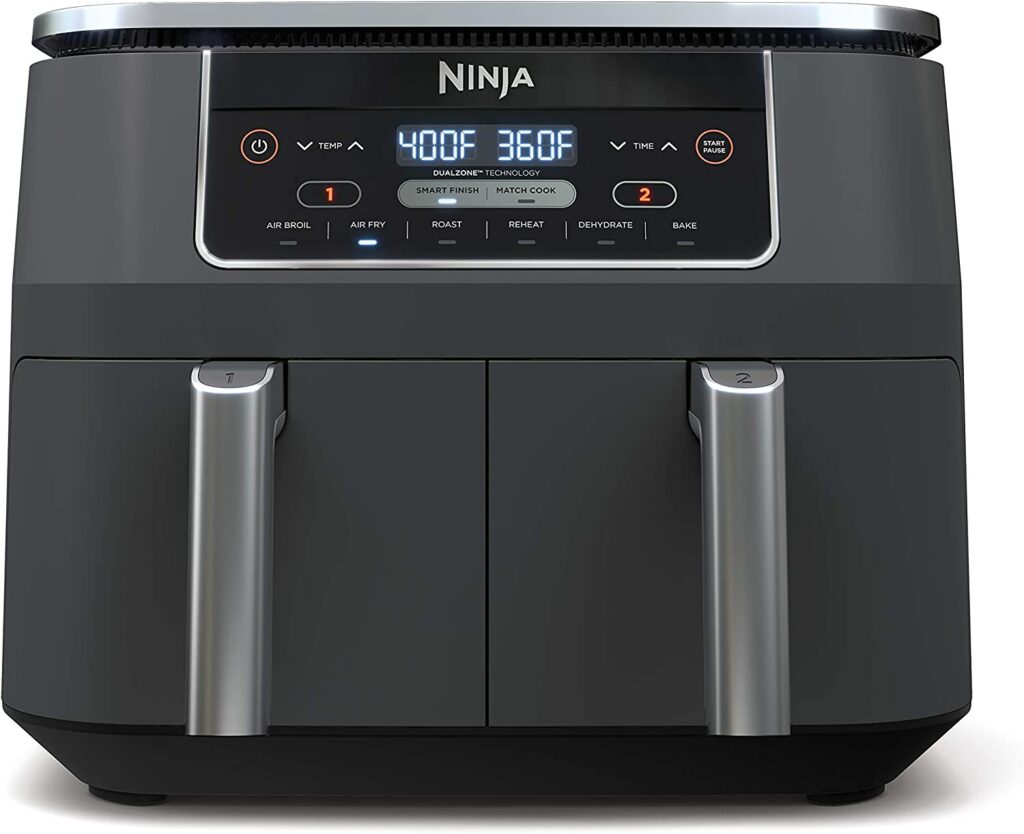
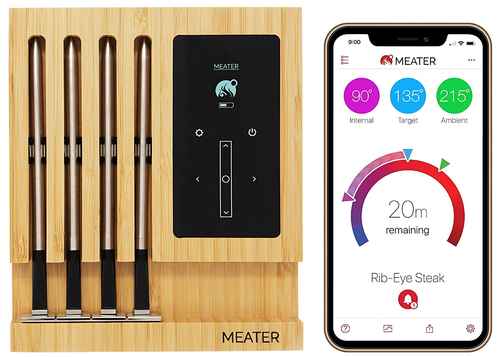
Recommended Equipments:
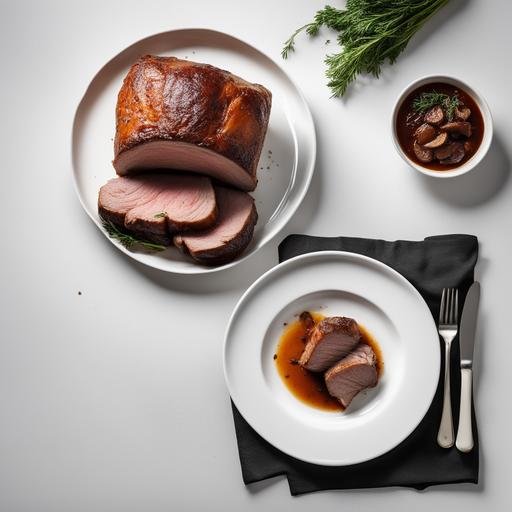
Cooking a perfect roast is often considered a culinary art, blending timing, temperature, and seasoning to achieve a tender, juicy interior with a beautifully browned exterior. Traditionally, roasting conjures images of a slow oven and hours of waiting, but modern kitchen technology has revolutionized the process. The air fryer, with its rapid circulation of hot air, offers a convenient, energy-efficient way to cook a roast without sacrificing flavor or texture. Not only does it reduce cooking time, but it also allows for a consistently even cook, locking in juices while creating a crisp, caramelized crust. In this guide, we’ll explore how to master a roast in your air fryer-from the ideal temperature and cooking times to expert tips for troubleshooting and enhancing flavor.
Optimal Air Fryer Temperature To Cook Roast In Air Fryer
Temperature is the linchpin of a perfectly cooked roast. Too high, and the exterior can char before the interior reaches the desired doneness; too low, and the meat may turn dry and underwhelming. For most beef roasts, the ideal air fryer temperature hovers between 360°F (182°C) and 400°F (204°C).
- 360°F (182°C): Produces a gently cooked roast with even heat distribution, perfect for larger cuts.
- 375°F (190°C): Balances speed and tenderness; it’s ideal for medium-sized roasts.
- 400°F (204°C): Ensures a crisp, caramelized crust quickly, ideal for smaller roasts or when a well-browned exterior is desired.
It’s important to remember that air fryers can vary in heat intensity and airflow. Some units may require a slight adjustment-checking the roast periodically ensures optimal results.
How Long To Cook Roast In Air Fryer
Cooking time depends primarily on the size and type of roast. A general guideline for beef roasts is 15-20 minutes per pound at 360-375°F, but this is only a starting point. For example:
- 2-pound roast: Approximately 30-40 minutes
- 3-pound roast: Approximately 45-60 minutes
- 4-pound roast: Approximately 60-80 minutes
Smaller cuts, such as a 1-pound sirloin or tenderloin roast, may only require 20-25 minutes. Remember, these times assume a medium doneness; adjustments are needed for rare or well-done preferences.
How To Tell If It Is Done
The most reliable method to determine doneness is a meat thermometer:
- Rare: 120-125°F (49-52°C)
- Medium Rare: 130-135°F (54-57°C)
- Medium: 140-145°F (60-63°C)
- Medium Well: 150-155°F (66-68°C)
- Well Done: 160°F (71°C) and above
Visual and tactile cues can also help. A properly roasted exterior will be deeply browned with a slight crust. Pressing the roast gently with your finger should feel springy for medium, firmer for well-done, and soft for rare.
Ingredients Needed
The ingredients for a perfectly cooked air fryer roast are simple but essential for flavor:
- 1 beef roast (sirloin, ribeye, or chuck)
- 2-3 tablespoons olive oil or melted butter
- Salt and freshly ground black pepper (to taste)
- Garlic powder or minced garlic
- Onion powder
- Fresh or dried herbs (rosemary, thyme, or parsley)
- Optional: vegetables such as carrots, potatoes, and onions for roasting alongside the meat
How To Cook Roast In Air Fryer
- Preheat the air fryer to your chosen temperature (360-400°F).
- Prepare the roast by patting it dry, then rubbing with olive oil and seasoning generously with salt, pepper, garlic, and herbs.
- Place the roast in the air fryer basket, fat side up if applicable, ensuring it isn’t touching the sides for proper airflow.
- Cook the roast, flipping halfway through if your air fryer requires it for even browning.
- Monitor internal temperature with a meat thermometer. Once the target temperature is reached, remove the roast.
- Rest the roast under foil for 10-15 minutes to allow juices to redistribute before slicing.
Optional: Add vegetables into the air fryer basket 10-15 minutes before the roast is done for a complete one-basket meal.
What If I Use A Different Air Fryer Temperature?
Changing the temperature impacts both cooking time and texture:
- Lower temperatures (320-350°F / 160-177°C): Slow, more even cooking. Better for larger cuts but may require significantly longer cooking times and may not develop as crisp a crust.
- Higher temperatures (400-425°F / 204-218°C): Quick crust formation but risk of overcooked edges and uneven interior if not monitored carefully.
Temperature adjustments require vigilant monitoring of internal doneness.
What If I Use A Different Air Fryer Cooking Time?
Adjusting cooking time directly affects doneness:
- Shorter times: Result in undercooked or rare meat, potentially safe for medium-rare cuts.
-
Longer times: Lead to well-done or dry meat.
Always pair time adjustments with a thermometer check. Air fryers cook faster than traditional ovens due to high-speed hot air circulation, so slight time miscalculations can drastically affect results.
When Things Go Wrong
Even experienced cooks encounter setbacks:
- Dry roast: Often from overcooking or insufficient oil. Fix by slicing thin and serving with pan juices or sauce.
- Undercooked interior: Return the roast to the air fryer in small increments of 5-10 minutes until the desired temperature is reached.
- Uneven browning: Rotate or flip the roast halfway through cooking. Consider brushing lightly with oil for a more uniform crust.
Understanding these pitfalls helps maintain confidence in air fryer roasting.
Expert Tips
- Resting is crucial: Do not skip resting; it locks in juices.
- Use a meat thermometer: Internal temperature beats guesswork every time.
- Season ahead: Marinating or dry-rubbing the roast hours in advance enhances flavor.
- Air fryer placement: Avoid overcrowding; air circulation is critical for crisp, even cooking.
- Vegetable companions: Roast veggies alongside meat for flavorful drippings.
FAQs
What Type Of Roast Is Best For Cooking In An Air Fryer?
Smaller cuts of beef, pork, or lamb work best in an air fryer due to space limitations and more even cooking. Examples include ribeye, sirloin, pork loin, or small leg of lamb. Choose cuts that are tender or have marbling to maintain juiciness.
How Should I Prepare The Roast Before Air Frying?
Pat the roast dry with paper towels, then season with salt, pepper, herbs, or a marinade of your choice. For extra flavor, you can sear the roast in a hot pan for 1-2 minutes per side before placing it in the air fryer.
What Temperature Should I Set The Air Fryer To Cook A Roast?
Most roasts cook well at 360-400°F (180-200°C). For a more even cook, preheat the air fryer to the desired temperature and adjust based on roast size and desired doneness.
How Long Does It Take To Cook A Roast In An Air Fryer?
Cooking time depends on the size and type of roast. As a general guideline, a 2-3 pound roast typically takes 45-60 minutes at 360°F (180°C). Always check internal temperature with a meat thermometer for accuracy.
How Do I Check If The Roast Is Done Without Cutting It Open?
Use a digital meat thermometer inserted into the thickest part of the roast. Recommended internal temperatures are 125°F for rare, 135°F for medium-rare, 145°F for medium, 155°F for medium-well, and 160°F for well-done.
Should I Cover The Roast Or Use Any Foil In The Air Fryer?
It’s usually not necessary to cover the roast, as the air fryer circulates hot air around it to cook evenly. However, if the top browns too quickly, you can tent it loosely with aluminum foil for part of the cooking time.
How Do I Let The Roast Rest After Air Frying?
Once the roast reaches the desired internal temperature, remove it from the air fryer and let it rest on a cutting board for 10-15 minutes. Resting allows the juices to redistribute, ensuring a moist and tender roast when sliced.