
How To Cook Salmon Cubes In Air Fryer [FULL GUIDE]
Recommended Equipments:
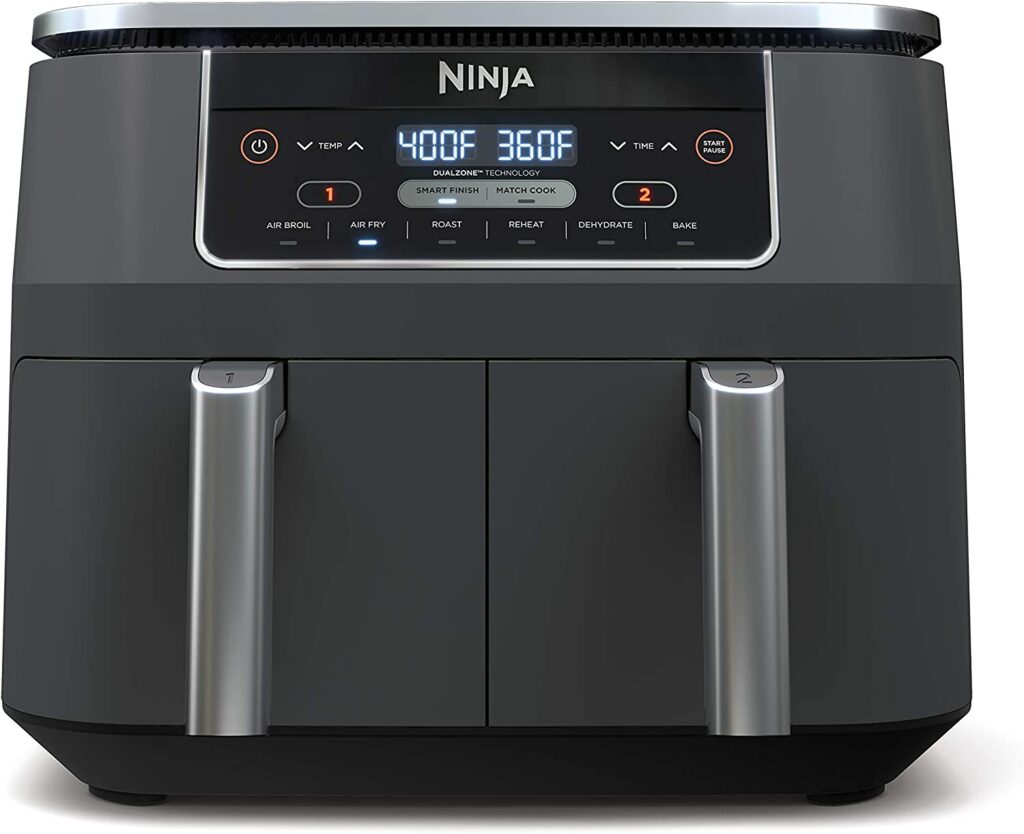
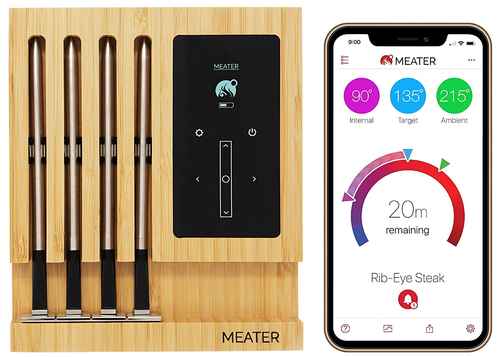
Salmon, often hailed as a nutritional powerhouse, is cherished for its rich flavor, tender texture, and abundance of omega-3 fatty acids. Transforming this delectable fish into perfectly cooked cubes offers versatility-ideal for salads, stir-fries, pasta, or even skewers. Traditional methods of cooking salmon, such as baking or pan-searing, are effective but sometimes time-consuming or prone to uneven results. Enter the air fryer: a modern kitchen marvel that uses hot air circulation to deliver crisp exteriors while preserving moisture inside. Cooking salmon cubes in an air fryer allows you to achieve a delicate, flaky texture with minimal oil, making it a healthier and more convenient alternative to conventional cooking methods. However, precision is key-both temperature and time play critical roles in ensuring that each cube is perfectly cooked without drying out.
Optimal Air Fryer Temperature To Cook Salmon Cubes In Air Fryer
Temperature control is crucial when air frying salmon. Salmon is delicate; cooking it too hot can result in dry, stringy meat, while cooking it too low may leave it underdone and unsafe to eat. The ideal temperature for cooking salmon cubes in an air fryer is 375°F (190°C). At this temperature, the hot circulating air crisps the outer edges slightly while maintaining a moist interior. Some recipes suggest a slightly lower temperature, around 350°F (177°C), for a more gradual cook, which can help preserve juiciness, especially for thicker cubes. Conversely, a temperature above 400°F (204°C) is not recommended for cubes, as the small pieces are prone to overcooking rapidly.
Temperature consistency is essential. Many air fryers have hot spots or uneven heat distribution, so preheating the device to the target temperature ensures uniform cooking.
How Long To Cook Salmon Cubes In Air Fryer
Cooking time depends primarily on the size of the cubes. For standard 1-inch salmon cubes, the ideal cooking time is 8-10 minutes at 375°F (190°C). Smaller cubes may cook in 6-7 minutes, while slightly larger chunks may need 11-12 minutes. It’s important to remember that salmon continues to cook slightly after removal from the air fryer due to residual heat, so slightly undercooking by a minute or two can help achieve perfect tenderness.
To ensure even cooking, shaking the basket or gently turning the cubes halfway through the cooking process allows hot air to circulate around all sides, promoting a golden, lightly caramelized exterior.
How To Tell If It Is Done
Determining doneness for salmon is as much an art as a science. Key indicators include:
- Color and texture: Cooked salmon changes from a translucent pink to an opaque light pink. The surface should appear slightly firm yet retain moisture.
- Flaking test: Insert a fork and gently twist. Properly cooked salmon should flake easily along the muscle lines without crumbling into dry pieces.
- Internal temperature: For precise results, use a food thermometer. The USDA recommends a safe internal temperature of 145°F (63°C). Some chefs prefer 130-135°F (54-57°C) for a slightly softer, medium-rare texture that remains tender.
Combining these visual and tactile cues ensures each cube is cooked perfectly.
Ingredients Needed
To prepare air-fried salmon cubes, you’ll need:
- Salmon fillets (skinless or with skin, as preferred), cut into 1-inch cubes
- Olive oil or a light cooking spray
- Seasonings: Salt, black pepper, garlic powder, paprika, or any favorite spice blend
- Optional extras: Lemon juice, fresh herbs (like dill or parsley), and soy sauce for marinated variations
These ingredients keep the preparation simple while allowing for customizable flavors.
How To Cook Salmon Cubes In Air Fryer
- Preheat the air fryer to 375°F (190°C).
- Prepare the salmon cubes by patting them dry with a paper towel to remove excess moisture.
- Season the cubes with olive oil, salt, pepper, and any additional spices. Toss gently to coat evenly.
- Place cubes in the air fryer basket in a single layer, avoiding overcrowding to allow proper air circulation.
- Cook for 8-10 minutes, shaking or flipping halfway through. Adjust time depending on cube size.
- Check for doneness using the flaking test or a thermometer.
- Serve immediately, optionally garnished with fresh herbs or a squeeze of lemon.
What If I Use A Different Air Fryer Temperature?
Altering the temperature affects both texture and cooking time:
- Lower temperatures (325-350°F / 163-177°C): Slower cooking retains more moisture and reduces the risk of burning, but may require an additional 2-3 minutes of cook time.
- Higher temperatures (400-425°F / 204-218°C): Achieves a crispier exterior faster but increases the risk of overcooked, dry interiors. Careful monitoring is required; cook in smaller increments and check frequently.
What If I Use A Different Air Fryer Cooking Time?
Adjusting cooking time can compensate for temperature changes or cube size:
- Shorter cook times may leave the salmon underdone-internal temperature will be lower, and flesh may appear translucent.
- Longer cook times risk dryness, tough texture, and flavor loss. For best results, always monitor the last 1-2 minutes closely and test with a fork or thermometer.
When Things Go Wrong
Even experienced cooks encounter hiccups. Common issues include:
- Dry or overcooked cubes: Often due to high temperature or prolonged cooking. Remedy by reducing time or using a lower temperature next time.
- Uneven cooking: Avoid overcrowding the basket; shake or flip halfway.
- Fish sticking to basket: Pat cubes dry and lightly oil the basket or cubes. Nonstick liners can help.
Learning from these missteps ensures consistently perfect results in future batches.
Expert Tips
- Uniform sizing: Cut cubes as evenly as possible to ensure consistent cooking.
- Marinate strategically: A quick 15-20 minute marinade can add flavor without making the surface soggy.
- Don’t skip preheating: This ensures the basket is hot enough for even cooking.
- Use a thermometer: Precision cooking prevents overcooking, especially for delicate seafood.
- Rest briefly: Let the salmon cubes rest 2-3 minutes after cooking to allow juices to redistribute.
FAQs
What Temperature Should I Set My Air Fryer To Cook Salmon Cubes?
For perfectly cooked salmon cubes, preheat your air fryer to 400°F (200°C). This temperature ensures the exterior becomes lightly crispy while keeping the interior tender and juicy.
How Long Should Salmon Cubes Cook In An Air Fryer?
Salmon cubes typically cook in 7 to 10 minutes, depending on their size and thickness. It is recommended to shake or turn the cubes halfway through cooking for even results.
Do I Need To Preheat The Air Fryer Before Cooking Salmon Cubes?
Yes, preheating the air fryer for 3 to 5 minutes helps achieve a consistent cooking temperature, ensuring the salmon cubes cook evenly and develop a slightly crispy exterior.
Should I Season The Salmon Cubes Before Air Frying?
Absolutely. Lightly coat the salmon cubes with olive oil and seasonings such as salt, pepper, garlic powder, paprika, or herbs. Seasoning enhances flavor and helps prevent the salmon from drying out.
Can I Cook Frozen Salmon Cubes In An Air Fryer?
Yes, frozen salmon cubes can be cooked in an air fryer, but you should increase the cooking time to around 12 to 15 minutes and ensure the cubes are spaced evenly for proper airflow. Shaking halfway through is still recommended.
How Can I Tell When Salmon Cubes Are Done In The Air Fryer?
Salmon is fully cooked when it reaches an internal temperature of 145°F (63°C) and flakes easily with a fork. The exterior should be lightly browned, but the interior should remain moist and tender.
Can I Add Vegetables To Cook Alongside Salmon Cubes In The Air Fryer?
Yes, small, evenly cut vegetables like bell peppers, zucchini, or asparagus can be added, but ensure they are similar in size to the salmon cubes to cook evenly. You may need to slightly adjust cooking time to accommodate the vegetables.