How To Cook Sirloin In Air Fryer [FULL GUIDE]
Recommended Equipments:
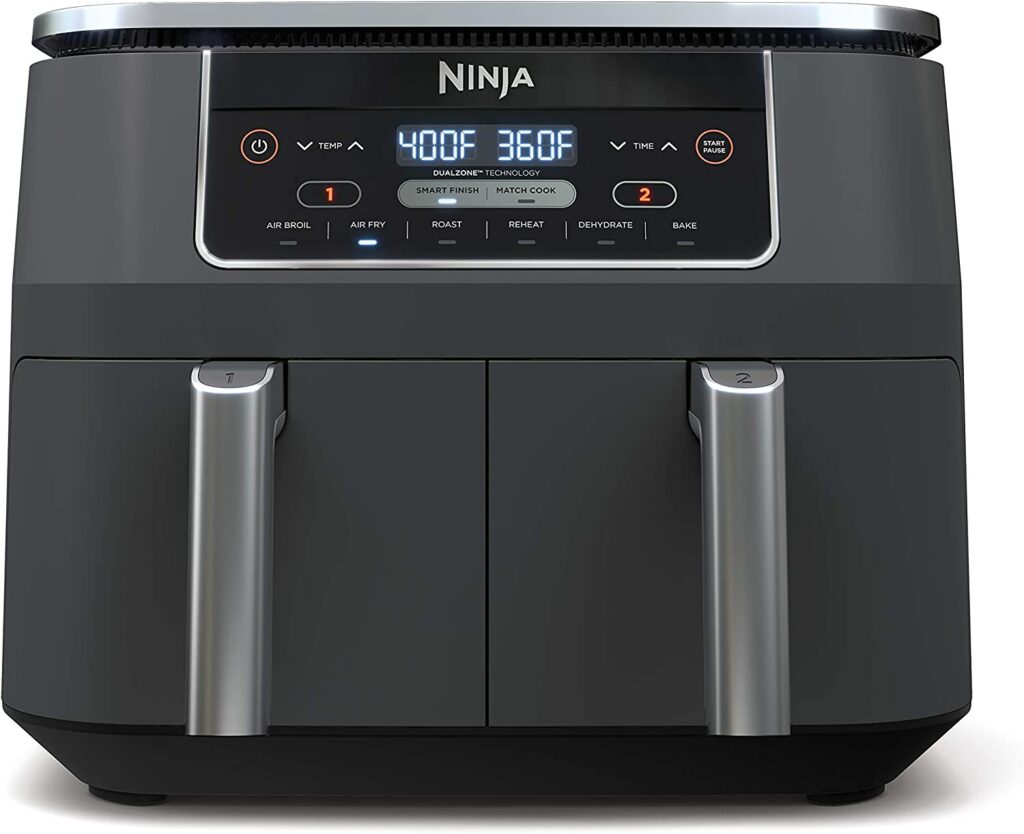
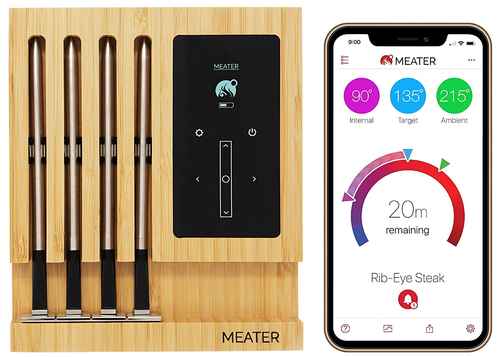
Sirloin steak is a versatile cut of beef that balances tenderness, flavor, and affordability. Unlike more marbled cuts like ribeye, sirloin has a leaner profile, which can make it slightly trickier to cook to perfection. Enter the air fryer-a modern kitchen tool that promises to deliver juicy, flavorful steaks without the hassle of stovetop or oven cooking. Air fryers utilize rapid hot air circulation to mimic the results of frying, grilling, or roasting, but with less oil and a faster cooking process. For the home cook, understanding the precise temperature, timing, and technique is essential to ensure that your sirloin steak comes out juicy on the inside with a perfectly seared exterior.
Cooking sirloin in an air fryer is more than just a convenience-it is an opportunity to unlock the steak’s natural flavors, seal in juices, and achieve a restaurant-quality result with minimal cleanup. But achieving that perfect medium-rare or medium requires precision: a few degrees too high or a few minutes too long can mean the difference between a tender bite and a chewy disappointment.
Optimal Air Fryer Temperature To Cook Sirloin In Air Fryer
The ideal air fryer temperature for cooking sirloin depends on your preferred doneness, but generally, 400°F (204°C) is the sweet spot for most home cooks. This temperature allows the steak to develop a beautifully seared crust while keeping the interior tender and juicy.
- Medium-rare: 400°F (204°C)
- Medium: 400°F (204°C) with slightly longer cooking time
- Well-done: 390-400°F (199-204°C) but with careful monitoring to avoid drying out
Air fryers heat rapidly and circulate hot air around the food, which accelerates cooking. As a result, maintaining the correct temperature is crucial. Too low, and the steak may cook unevenly or lack that desirable caramelized crust; too high, and the outside can char before the interior reaches the intended doneness.
How Long To Cook Sirloin In Air Fryer
Cooking times depend on the thickness of your steak and your preferred doneness:
-
1-inch Sirloin
- Rare: 7-9 minutes
- Medium-rare: 10-12 minutes
- Medium: 12-14 minutes
- Well-done: 15-17 minutes
-
1.5-inch Sirloin
- Rare: 10-12 minutes
- Medium-rare: 12-15 minutes
- Medium: 15-18 minutes
- Well-done: 18-20 minutes
It’s critical to flip the steak halfway through cooking for even browning and optimal juiciness. Air fryers vary by brand and model, so these times serve as a guideline. A meat thermometer is highly recommended to guarantee precision.
How To Tell If It Is Done
Visual cues, touch, and temperature readings all help gauge doneness:
-
Temperature Check: Use an instant-read thermometer:
- Rare: 125°F (52°C)
- Medium-rare: 135°F (57°C)
- Medium: 145°F (63°C)
- Well-done: 160°F (71°C)
- Touch Test: Lightly press the steak with your finger. Rare feels soft and spongy, medium is firmer but still springy, and well-done feels very firm.
- Juice Test: When cutting into the steak, observe the color of the juices. Pink juices indicate medium-rare; clear juices indicate well-done.
Ingredients Needed
- 1-2 sirloin steaks (1-1.5 inches thick)
- 1-2 tablespoons olive oil
- Salt (preferably kosher)
- Freshly ground black pepper
- Optional: garlic powder, onion powder, smoked paprika, fresh herbs (rosemary, thyme)
How To Cook Sirloin In Air Fryer
- Preparation: Pat the steaks dry with paper towels. This ensures a better sear.
- Seasoning: Rub both sides with olive oil and generously season with salt, pepper, and optional spices.
- Preheating: Preheat the air fryer to 400°F (204°C) for 3-5 minutes.
- Cooking: Place steaks in the air fryer basket in a single layer. Cook for 5-7 minutes, then flip and continue cooking for the remaining time according to your preferred doneness.
- Resting: Let the steaks rest for 5 minutes before slicing. This allows juices to redistribute, ensuring maximum tenderness.
What If I Use A Different Air Fryer Temperature?
Adjusting the temperature can change both cooking time and texture:
- Lower temperatures (350-380°F / 177-193°C): Safer for thicker cuts; requires longer cooking, produces more evenly cooked steak but less crust.
- Higher temperatures (410-430°F / 210-221°C): Quicker sear and crust formation, but higher risk of overcooking or uneven doneness if the steak is thick.
Temperature and time must be balanced carefully to prevent a tough or dry steak.
What If I Use A Different Air Fryer Cooking Time?
Cooking time directly affects doneness and juiciness:
- Shorter times: The steak may be undercooked, closer to rare or even raw in the center.
- Longer times: Can overcook the steak, causing dryness, especially in lean cuts like sirloin.
Always monitor with a meat thermometer to adjust for variations in steak thickness and air fryer model.
When Things Go Wrong
Even with care, mistakes can happen:
- Steak is too dry: Likely overcooked; reduce cooking time or temperature next time and allow steak to rest properly.
- Steak is undercooked: Simply return it to the air fryer in 1-2 minute increments until the desired doneness is reached.
- Uneven cooking: Flip halfway through cooking; consider rotating the basket or adjusting placement for consistent airflow.
Expert Tips
- Bring steak to room temperature before cooking for even heat penetration.
- Do not overcrowd the basket. Air circulation is key for proper browning.
- Resting is essential. Cutting immediately after cooking causes juice loss.
- Use a meat thermometer. Precision beats guesswork every time.
- Finish with compound butter or herbs for added flavor.
FAQs
What Is The Best Cut Of Sirloin For Air Frying?
For air frying, top sirloin is generally preferred due to its balance of tenderness and flavor. It has less marbling than ribeye but remains juicy when cooked at high heat in an air fryer. Bottom sirloin can also be used but may require slightly longer cooking times to achieve desired tenderness.
How Should I Prepare Sirloin Before Air Frying?
Start by patting the steak dry with paper towels. Season generously with salt, pepper, and optional spices or marinades. Allow the steak to rest at room temperature for 15-30 minutes before cooking to ensure even cooking. Lightly brushing with oil helps prevent sticking and promotes browning.
What Temperature Should I Set My Air Fryer To For Cooking Sirloin?
Preheat the air fryer to 400°F (204°C). This high temperature sears the exterior of the sirloin, locking in juices while ensuring the interior reaches the desired doneness.
How Long Does It Take To Cook Sirloin In An Air Fryer?
Cooking time depends on thickness and desired doneness. For a 1-inch thick sirloin: rare (120-125°F) takes about 7-8 minutes, medium-rare (130-135°F) 8-10 minutes, medium (140-145°F) 10-12 minutes, and well-done (160°F+) 12-15 minutes. Flip the steak halfway through cooking for even browning.
How Can I Check If My Sirloin Is Cooked Perfectly?
Use an instant-read meat thermometer to check the internal temperature. Insert the thermometer into the thickest part of the steak without touching bone or fat. This ensures accuracy and helps prevent overcooking. Rest the steak for 5-10 minutes after cooking to allow juices to redistribute.
Can I Cook Frozen Sirloin In The Air Fryer?
Yes, but it requires adjustments. Cook frozen sirloin at 360-375°F (182-190°C) for 15-20 minutes, flipping halfway. Using a meat thermometer is crucial, as frozen steaks are prone to uneven cooking. For best results, thaw the steak before air frying.
What Tips Improve Flavor And Texture When Air Frying Sirloin?
Enhance flavor by marinating the steak for 1-4 hours before cooking. For a crusty exterior, pat the steak dry and lightly coat with oil. Avoid overcrowding the basket, which ensures proper air circulation and even cooking. Resting after cooking helps maintain juiciness.