How To Cook Small Sirloin Steak In Air Fryer [FULL GUIDE]
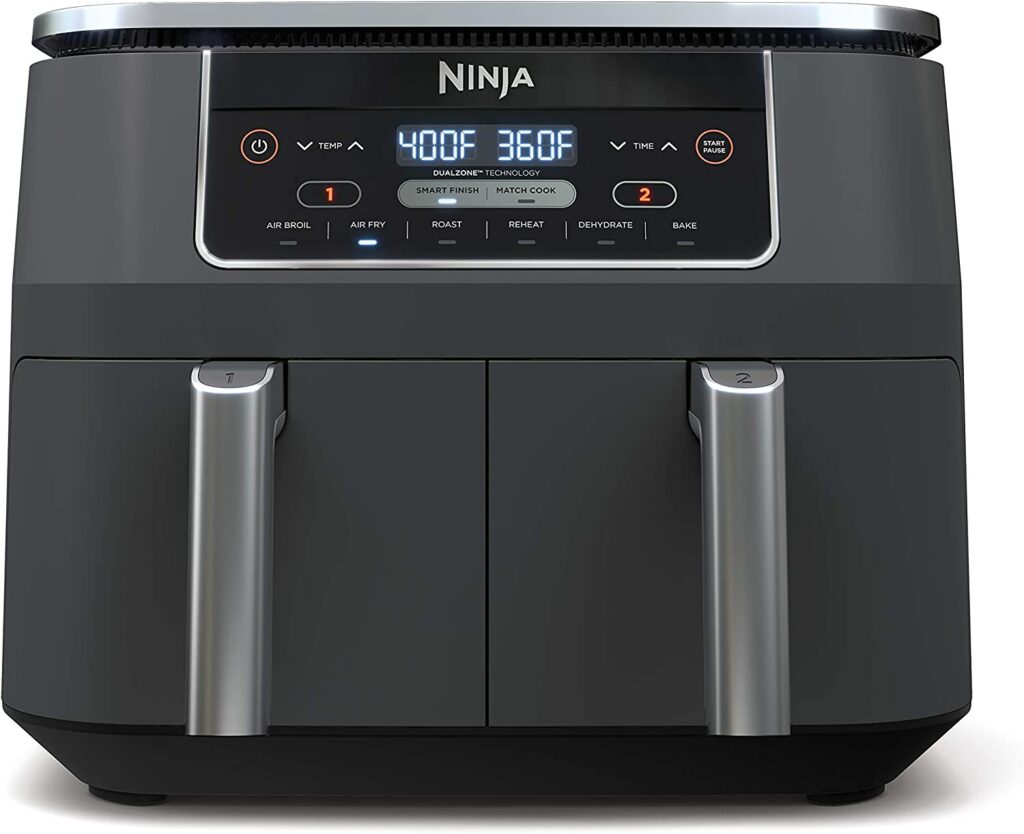
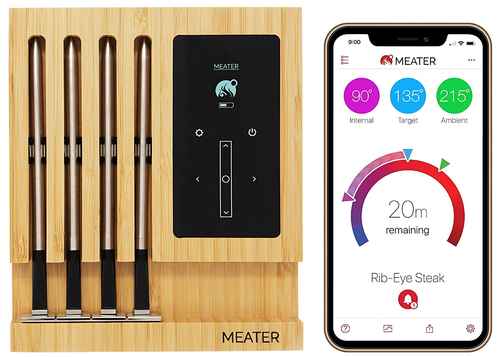
Recommended Equipments:
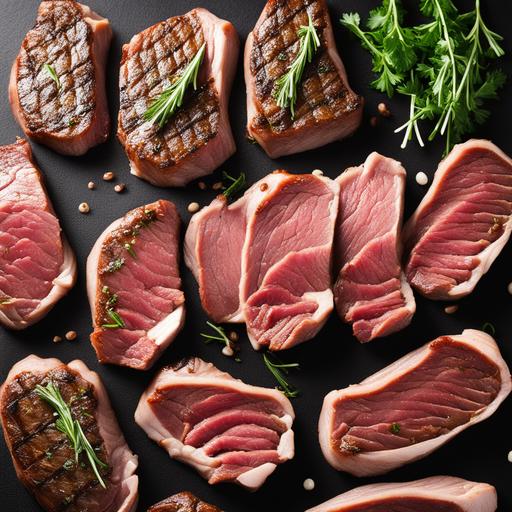
Cooking a small sirloin steak in an air fryer is one of the simplest ways to achieve a beautifully seared exterior and a tender, juicy interior without the need for a grill or cast-iron pan. Sirloin, known for its balance of tenderness and robust beefy flavor, responds exceptionally well to air-frying because of the high, consistent heat circulation. When handled correctly, the air fryer can mimic the effects of high-heat searing while maintaining remarkable moisture inside the steak.
However, the success of your steak depends on several precise variables: temperature, cook time, steak thickness, seasoning, and resting period. Even small shifts in any of these can change the final result. This guide walks you through everything in detail so you know exactly how to achieve the perfect air-fried small sirloin steak every time.
Optimal Air Fryer Temperature To Cook Small Sirloin Steak In Air Fryer
The ideal air fryer temperature for a small sirloin steak is 400°F (205°C).
At this temperature:
- The heat is high enough to promote browning and develop a flavorful crust known as the Maillard reaction.
- It cooks the interior quickly, preventing the steak from drying out.
- It works well for steaks between 0.75 and 1 inch thick, which are typical for smaller sirloin cuts.
Lower temperatures can cook the steak too slowly, causing moisture loss, while higher temperatures risk burning the exterior before the inside reaches the desired doneness.
How Long To Cook Small Sirloin Steak In Air Fryer
At 400°F (205°C):
- Rare (120-125°F internal): 6 to 7 minutes
- Medium-rare (130-135°F internal): 7 to 9 minutes
- Medium (140-145°F internal): 9 to 11 minutes
- Medium-well (150-155°F internal): 11 to 13 minutes
- Well-done (160°F+ internal): 13 to 15 minutes
These times assume:
- A steak 0.75-1 inch thick
- A preheated air fryer
- Turning the steak halfway through for even cooking
Thicker steaks may require an additional 2-4 minutes, while thinner steaks may require 1-2 minutes less.
How To Tell If It Is Done
Relying on timing alone is risky. The most accurate method is using a meat thermometer.
Internal Temperature Guide
- Rare: 120-125°F
- Medium-rare: 130-135°F
- Medium: 140-145°F
- Medium-well: 150-155°F
- Well-done: 160°F+
Remove the steak when it is 5 degrees below your final target because it will finish cooking as it rests.
Visual And Textural Cues
- Rare: Deep red center, very soft texture
- Medium-rare: Warm red center, soft with slight resistance
- Medium: Pink center, firmer feel
- Medium-well: Very little pink, firm texture
- Well-done: Fully cooked through, no pink, noticeably firm
Color alone should not be the only indicator, but combined with texture and thermometer readings, it offers a reliable picture.
Ingredients Needed
- 1 small sirloin steak (0.75-1 inch thick)
- 1 to 2 teaspoons olive oil or neutral oil
- Salt (preferably kosher or sea salt)
- Black pepper (freshly cracked for best flavor)
-
Optional enhancements:
- Garlic powder
- Onion powder
- Smoked paprika
- Steak seasoning blends
- Fresh or dried herbs such as rosemary or thyme
- Butter for finishing
How To Cook A Small Sirloin Steak In An Air Fryer
-
Prep The Steak
Pat the steak completely dry with paper towels. Moisture inhibits browning, so this step is essential.
-
Season Generously
Drizzle the steak lightly with oil and rub it evenly. Season with salt and pepper on both sides. Add optional seasonings if desired.
-
Preheat The Air Fryer To 400°F (205°C)
Preheating ensures an instant sear effect when the steak hits the basket.
-
Place Steak In The Basket
Lay it flat with space around it. Avoid overcrowding.
-
Cook
Cook for the recommended time based on your preferred doneness, flipping halfway through.
-
Check Internal Temperature
Use a meat thermometer to ensure accuracy.
-
Rest The Steak For 5 Minutes
This allows juices to redistribute, preventing dryness.
-
Optional Finish
Add a pat of butter, a sprinkle of flaky salt, or fresh herbs as it rests.
What If I Use A Different Air Fryer Temperature?
Changing the temperature alters the cooking dynamics:
-
Lower Temperature (350-375°F)
- Slower cooking
- Less browning
- Potentially juicier center but milder crust
- May require 2-5 extra minutes
-
Higher Temperature (425-450°F)
- Faster crust formation
- Higher risk of overcooking the interior
- Requires vigilant monitoring and typically reduced cook times by 1-3 minutes
Each air fryer model may also behave differently depending on power, heating element placement, and airflow design.
What If I Use A Different Air Fryer Cooking Time?
Altering cook time can dramatically affect the final result:
-
Cooking Too Briefly
- Steak remains underdone at the center
- Texture may feel mushy
- Lacks proper browning
-
Cooking Too Long
- Dries out the steak
- Produces a tough, chewy texture
- Creates a dull or leathery crust
If you overshoot your time by even 2 minutes, especially at high heat, the steak can move from medium-rare to well-done rapidly.
When Things Go Wrong
Common issues and how to fix them:
-
Steak Is Too Dry
- You likely overcooked it. Next time, reduce the cook time and check earlier with a thermometer.
-
No Browning
- The steak may have been wet. Dry thoroughly before seasoning and ensure the air fryer is preheated.
-
Uneven Cooking
- Flip halfway through and ensure the steak isn’t overlapping with anything else.
-
Rubbery Texture
- Usually caused by overcooking or using too low a temperature. Stick to 400°F for optimal results.
-
Exterior Is Burnt
- Temperature too high or steak too thin. Lower by 25°F and reduce time by 1-2 minutes.
Expert Tips
- Bring your steak to room temperature for 20-30 minutes before cooking to promote even doneness.
- Season with salt at least 10 minutes before cooking to allow it to draw moisture and then reabsorb it, enhancing flavor.
- Do not overcrowd the basket; air must circulate freely around the steak.
- Use tongs, not a fork, to avoid piercing the meat and losing juices.
- Resting is essential; skipping this step can make even a well-cooked steak taste dry.
- Oil the steak, not the air fryer basket, to prevent smoking and uneven distribution.
- For extra flavor, finish with compound butter or a sprinkle of finishing salt.
FAQs
What Is The Ideal Temperature To Cook A Small Sirloin Steak In An Air Fryer?
The ideal temperature for cooking a small sirloin steak in an air fryer is generally 400°F (204°C). This high heat helps sear the steak quickly, locking in juices while creating a caramelized exterior.
How Long Should I Cook A Small Sirloin Steak In An Air Fryer?
Cooking time depends on the desired doneness and steak thickness. For a 1-inch thick small sirloin steak: rare takes about 6-7 minutes, medium-rare 8-9 minutes, medium 10-11 minutes, and well-done 12-14 minutes, flipping halfway through for even cooking.
Do I Need To Season My Sirloin Steak Before Air Frying?
Yes, seasoning is important. A simple mix of salt, pepper, and optional garlic or herbs enhances flavor. For best results, season the steak at least 15-30 minutes before cooking to allow the flavors to penetrate the meat.
Should I Preheat The Air Fryer Before Cooking A Small Sirloin Steak?
Preheating the air fryer is recommended for consistent results. Preheat to 400°F (204°C) for 3-5 minutes. This ensures the steak sears properly, preventing it from becoming overcooked on the outside while undercooked inside.
Do I Need To Use Oil When Cooking Sirloin Steak In An Air Fryer?
A small amount of oil, about 1 teaspoon, is recommended to lightly coat the steak. This helps promote browning and prevents the steak from sticking to the air fryer basket. High-smoke-point oils like avocado or canola work best.
How Can I Check If My Sirloin Steak Is Cooked To The Right Doneness In An Air Fryer?
The most reliable way is to use a meat thermometer. Rare is 125°F (52°C), medium-rare 135°F (57°C), medium 145°F (63°C), medium-well 150°F (66°C), and well-done 160°F (71°C). Alternatively, a finger test can be used, but it requires experience to gauge doneness accurately.
Should I Let The Steak Rest After Air Frying?
Yes, resting is essential. Let the steak rest for 5-10 minutes after cooking. This allows juices to redistribute throughout the meat, resulting in a juicier, more flavorful steak. Cover it loosely with foil to retain warmth during resting.