How To Cook Spare Ribs In Air Fryer [FULL GUIDE]
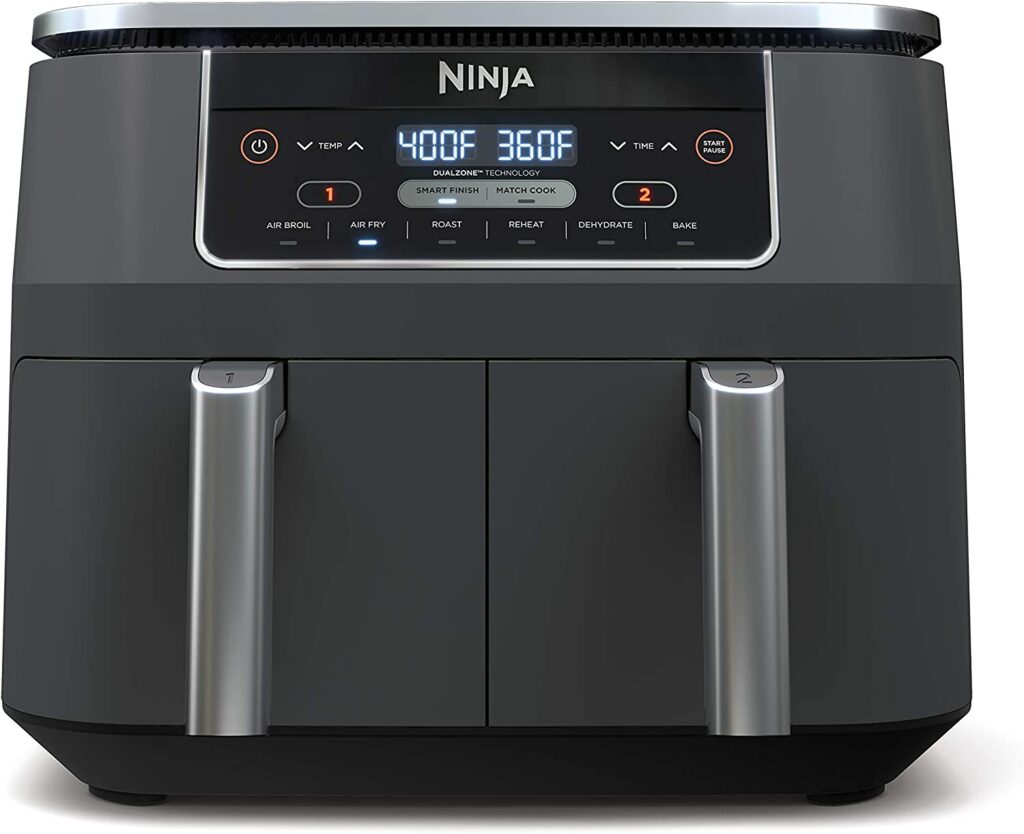
Recommended Equipments:
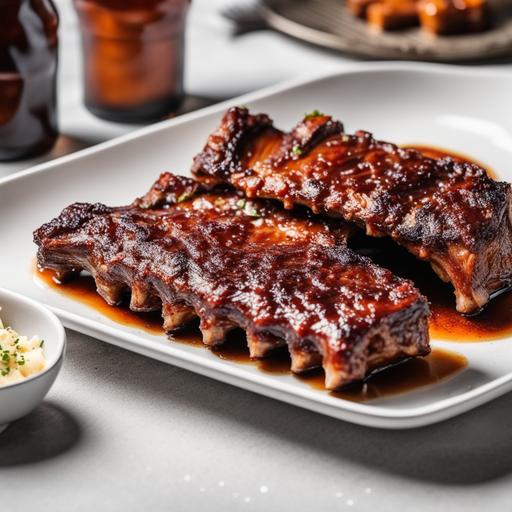
Air fryers have revolutionized home cooking, transforming traditionally slow and labor-intensive dishes into quick, convenient, and remarkably delicious meals. Among these dishes, spare ribs-tender, flavorful, and rich with savory goodness-have found a new lease on life in air fryers. Unlike traditional oven-baking or grilling methods, air frying enables a delicate balance of crisp exterior and juicy interior without excessive oil or long cooking times. The magic lies in circulating hot air that envelops the meat, locking in moisture while creating a tantalizing caramelized crust. Mastering the art of cooking spare ribs in an air fryer requires understanding the delicate interplay between temperature, time, and seasoning, which is exactly what this guide will explore in depth.
Optimal Air Fryer Temperature To Cook Spare Ribs In Air Fryer
Temperature is the cornerstone of perfectly cooked spare ribs in an air fryer. The ideal temperature balances the need to tenderize the connective tissue while avoiding excessive drying or burning. Most culinary experts recommend a moderate heat of 375°F (190°C) as the sweet spot for cooking spare ribs.
- Why 375°F works: This temperature is high enough to create a caramelized exterior, enhancing flavor through the Maillard reaction, yet gentle enough to allow the collagen in the ribs to break down into gelatin, resulting in tender, succulent meat.
- Lower temperatures (around 325-350°F): These are better for slower, more forgiving cooking, producing ultra-tender ribs but with a less pronounced crust.
- Higher temperatures (400-425°F): These can create a crispy exterior quickly, but risk drying the meat if not monitored carefully.
Temperature control is key-an air fryer’s rapid hot air circulation can intensify cooking, so preheating and periodic checking are crucial.
How Long To Cook Spare Ribs In Air Fryer
Cooking time is just as critical as temperature. The total time depends on the thickness of your ribs, whether they are baby back or St. Louis-style, and whether you have pre-marinated them. On average:
- Thin baby back ribs: 25-30 minutes at 375°F (190°C)
- Thicker St. Louis-style ribs: 30-35 minutes at 375°F (190°C)
For best results, ribs should be flipped halfway through cooking. Air fryer baskets circulate heat unevenly if overloaded, so spacing ribs properly ensures even cooking. A two-stage approach-first at a moderate temperature to cook the meat through, followed by a higher temperature for a crisp finish-is often ideal.
How To Tell If It Is Done
Determining doneness goes beyond guessing by sight or smell. Several indicators ensure your spare ribs are cooked to perfection:
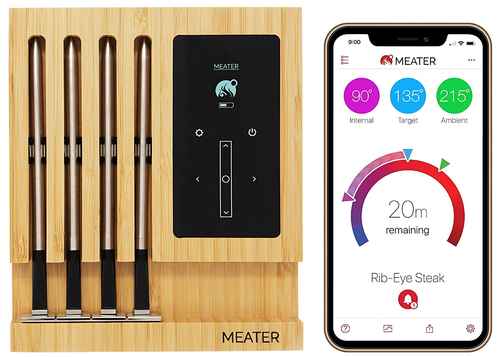
- Internal Temperature: Use a meat thermometer. Fully cooked pork ribs should reach around 195°F (90°C) for tender, pull-apart meat.
- Flexibility: Pick up the ribs with tongs-if the meat bends easily and starts to crack slightly at the edges, they are likely done.
- Bone Test: The meat should pull slightly away from the bones, but not completely fall off. Overcooked ribs lose texture.
Relying on one method alone can be misleading; combining these checks is the most reliable approach.
Ingredients Needed
For a basic, flavorful batch of air fryer spare ribs, you will need:
- Ribs: 1-2 pounds of baby back or St. Louis-style ribs
- Seasoning: Salt, black pepper, smoked paprika, garlic powder, onion powder
- Optional spice rub: Brown sugar, chili powder, cayenne pepper for a hint of sweetness and heat
- Sauce (optional): Barbecue sauce for glazing during the last 5-10 minutes
Optional additions like mustard or a light oil coating can help the rub adhere better and enhance crust formation.
How To Cook Spare Ribs In Air Fryer
- Prep the ribs: Remove the silver skin membrane on the back of the ribs to allow flavors to penetrate. Pat dry with a paper towel.
- Season generously: Apply a dry rub or simple seasoning mix. Ensure every surface is coated evenly.
- Preheat air fryer: Heat to 375°F (190°C) for 3-5 minutes.
- Arrange ribs in the basket: Place ribs in a single layer, avoiding overlap for even cooking.
- Cook: Air fry for 25-35 minutes, flipping halfway through. If using sauce, brush on during the last 5-10 minutes to prevent burning.
- Check doneness: Use internal temperature, flexibility, and bone test as described above.
- Rest: Let ribs rest 5 minutes before serving to allow juices to redistribute.
What If I Use A Different Air Fryer Temperature?
Adjusting the temperature will affect both texture and cooking time:
- Lower temperature (325-350°F): Slower cooking, softer ribs, more forgiving, but less crisp exterior. Increase cooking time by 5-10 minutes.
- Higher temperature (400-425°F): Faster cooking, crispier edges, but higher risk of drying. Reduce cooking time slightly and monitor closely.
Always combine temperature changes with periodic doneness checks.
What If I Use A Different Air Fryer Cooking Time?
Cooking time changes affect tenderness and moisture retention:
- Shorter time: Ribs may remain undercooked in the center. Check with a thermometer; additional time may be needed in 5-minute increments.
- Longer time: Ribs risk becoming dry and stringy, especially without a protective glaze or wrapping. Monitor texture and internal temperature closely.
When Things Go Wrong
Even with careful planning, mistakes happen:
- Dry ribs: Likely from excessive heat or overcooking. Solution: Reduce temperature next time, apply a marinade, or cover with foil mid-cook.
- Uneven cooking: Could result from overcrowded baskets. Cook in batches and rotate halfway.
- Burned edges: Usually from sugar-based rubs at high temperatures. Apply sugar closer to the end of cooking or reduce temperature slightly.
Expert Tips
- Marinate overnight: For maximum flavor and tenderness, let ribs sit in a dry rub or marinade for 8-12 hours.
- Foil wrap method: Wrap ribs loosely in foil for the first half of cooking to lock in moisture, then air fry unwrapped for crisping.
- Spritz with liquid: A light spray of apple juice or water during cooking helps prevent dryness.
- Check frequently: Air fryers vary; monitor every 5-10 minutes toward the end of cooking.
- Rest before serving: Allow ribs to rest 5-10 minutes for juices to redistribute.
FAQs
What Is The Best Way To Prepare Spare Ribs For The Air Fryer?
To prepare spare ribs for the air fryer, start by removing the silver skin from the back of the ribs. This helps make the ribs more tender. Next, season them with a dry rub or marinate them for at least 30 minutes. Cut the ribs into smaller sections, usually 2-3 ribs per piece, to ensure even cooking in the air fryer basket.
What Temperature Should I Set My Air Fryer To Cook Spare Ribs?
The recommended temperature for cooking spare ribs in an air fryer is typically 375°F (190°C). This allows the ribs to cook through without drying out while developing a crispy exterior. Some recipes may suggest starting at 400°F (204°C) for a short period to sear the ribs and then lowering the temperature to 375°F for even cooking.
How Long Does It Take To Cook Spare Ribs In An Air Fryer?
Cooking time depends on the thickness and size of the ribs. Generally, spare ribs take 25-35 minutes in an air fryer, flipping halfway through. Thicker or bone-in ribs may require up to 40 minutes. Always check for doneness by ensuring the internal temperature reaches at least 145°F (63°C), though 190-203°F (88-95°C) is preferred for tender ribs.
Should I Cover Spare Ribs With Foil In The Air Fryer?
It is not necessary to cover spare ribs with foil in the air fryer because the circulating hot air cooks them evenly and crisps the surface. However, if you prefer extra moist ribs, you can loosely tent them with foil for part of the cooking process and remove it during the last 5-10 minutes to allow the exterior to crisp.
Do I Need To Baste Spare Ribs While Air Frying?
Basting is optional but can enhance flavor and moisture. You can brush your favorite barbecue sauce or marinade onto the ribs halfway through cooking. Avoid basting too early to prevent the sauce from burning due to high heat.
Can I Cook Frozen Spare Ribs In An Air Fryer?
Yes, you can cook frozen spare ribs in an air fryer, but it will take longer. Preheat the air fryer to 360°F (182°C) and cook the ribs for 35-45 minutes, flipping halfway through. It’s recommended to season or baste them after partially thawing during cooking for best flavor.
How Do I Know When Air-fried Spare Ribs Are Done?
Ribs are done when the internal temperature reaches 190-203°F (88-95°C) and the meat is tender enough to pull away from the bone easily. They should have a slightly crisp exterior while remaining juicy inside. Use a meat thermometer for accuracy and avoid overcooking, which can dry them out.