
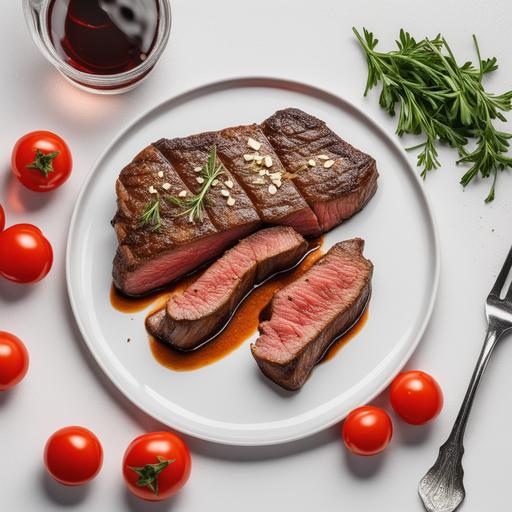
How To Cook Steak In Emeril Lagasse Air Fryer [FULL GUIDE]
Recommended Equipments:
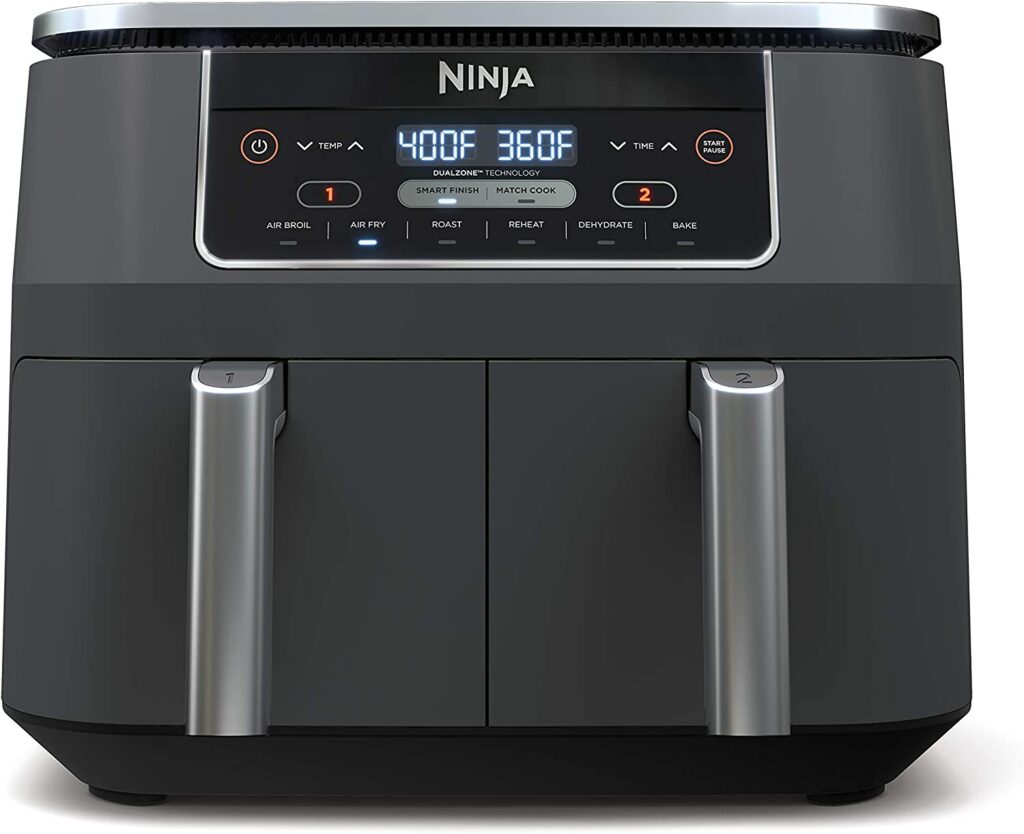
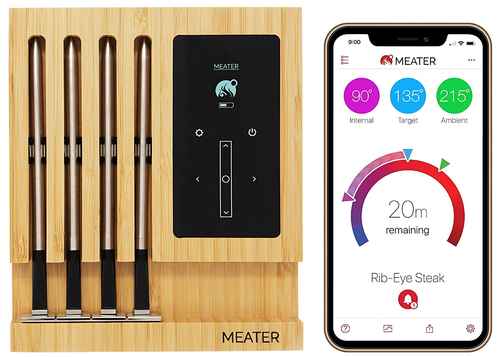
Cooking a steak is often seen as a culinary milestone, a dish where technique and timing determine whether the final result is a succulent masterpiece or a tough disappointment. The Emeril Lagasse Air Fryer brings professional-grade cooking power into a compact appliance, allowing home cooks to achieve well-seared, tender, and flavorful steaks with remarkable consistency. Air fryers circulate superheated air rapidly around the food, creating crisp, browned surfaces similar to high-heat pan searing or grill marks, but without the smoke or guesswork.
Mastering steak in the Emeril Lagasse Air Fryer involves understanding optimal temperature, timing, cut selection, and the visual cues that tell you a steak is done. This guide will take you step by step through the process, explaining not only how long and how hot to cook but also why these parameters matter.
Optimal Air Fryer Temperature To Cook Steak In The Emeril Lagasse Air Fryer
The ideal temperature for cooking steak in the Emeril Lagasse Air Fryer is 400°F (204°C). This temperature strikes a balance between developing a rich, caramelized crust on the outside and maintaining a juicy interior.
At 400°F, the air fryer creates a high-heat environment that mimics the searing achieved on a grill or cast-iron skillet. The surface of the steak undergoes the Maillard reaction, a series of chemical changes responsible for deep, savory flavors and a beautifully browned exterior. Anything significantly lower than 400°F risks steaming the steak instead of searing it, producing a pale, less flavorful outer layer. Anything significantly higher may lead to burning or uneven cooking.
How Long To Cook Steak In The Emeril Lagasse Air Fryer
Cooking time depends on steak thickness and desired doneness. The following guidelines assume a 1-inch thick steak:
- Rare (125°F internal): 7 to 8 minutes (flip halfway)
- Medium-rare (135°F): 9 to 10 minutes (flip halfway)
- Medium (145°F): 11 to 12 minutes (flip halfway)
- Medium-well (150-155°F): 12 to 13 minutes
- Well-done (160°F+): 14 to 15 minutes
Thicker steaks will require additional time, and thinner steaks will cook more quickly. The flip at the halfway point ensures even browning, though the powerful convection of the Emeril air fryer often cooks fairly uniformly even without flipping.
How To Tell If It Is Done
The most reliable method is using a meat thermometer, as visual cues can vary between cuts.
Internal temperature guide:
- Rare: 125°F
- Medium-rare: 130-135°F
- Medium: 140-145°F
- Medium-well: 150°F
- Well-done: 160°F and above
If you do not have a thermometer, rely on:
- Surface color: deep brown with slightly crisp edges
- Touch test: firmer steaks indicate more doneness, softer indicate less
- Juices: redder juices indicate rare; clearer juices indicate well-done
Even with these cues, a thermometer remains the gold standard for accuracy.
Ingredients Needed
A great steak relies on high-quality ingredients more than a long list of them. Here is what you need:
- Steaks of your choice: ribeye, New York strip, filet mignon, sirloin, or porterhouse
- Olive oil or avocado oil
- Kosher salt or sea salt
- Freshly ground black pepper
-
Optional seasonings:
- Garlic powder
- Onion powder
- Smoked paprika
- Fresh herbs like rosemary or thyme
- Butter for finishing
How To Cook Steak In The Emeril Lagasse Air Fryer
-
Bring The Steak To Room Temperature
Allow the steak to sit out for 20 to 30 minutes. This promotes even cooking.
-
Preheat The Air Fryer To 400°F
Preheating ensures the steak immediately starts searing upon placement.
-
Prepare The Steak
Pat the steak dry to remove moisture. Moisture prevents proper browning.
Brush lightly with oil and season generously with salt, pepper, and any preferred spices.
-
Place The Steak In The Basket
Arrange it in a single layer without overlapping. Overcrowding inhibits air circulation.
-
Cook And Flip
Cook according to the time chart above, flipping halfway through for best color and texture.
-
Check For Doneness
Insert a meat thermometer into the thickest part.
-
Rest The Steak
Let the steak rest for 5 minutes after cooking. Resting allows the juices to redistribute evenly throughout the meat.
-
Optional: Add Butter And Herbs
Finish with a pat of butter or fresh herbs for richness and aroma.
What If I Use A Different Air Fryer Temperature?
-
Lower Temperature (350°F Or Below)
The steak may cook more slowly but will lack a crisp, seared exterior. It may become gray and less flavorful.
-
Higher Temperature (425-450°F)
While you may get a faster sear, you risk burning the outside before the inside reaches your desired doneness. This can be especially problematic with thicker cuts.
-
Inconsistent Temperature
Uneven heating may lead to overcooking one side while leaving the other underdone.
Maintaining 400°F is key to achieving the ideal balance.
What If I Use A Different Air Fryer Cooking Time?
-
Shorter Cook Time
The steak may remain too rare or even raw in the center. While some prefer rare steaks, insufficient cooking prevents a proper sear.
-
Longer Cook Time
The steak is likely to become tough, dry, and chewy. Overcooking eliminates the tenderness associated with perfectly done steak.
A few minutes make a significant difference. Use your thermometer to adjust precisely.
When Things Go Wrong
Even experienced cooks encounter missteps. Here are common issues and solutions:
-
Steak Is Too Tough
Likely overcooked. Next time reduce cooking time by 1-2 minutes.
-
Steak Is Undercooked
Return it to the air fryer for 1-2 minutes at 400°F.
-
Exterior Is Pale And Not Browned
This usually means insufficient preheating or the steak was too wet. Always pat dry thoroughly.
-
Steak Is Unevenly Cooked
Flip halfway. Also ensure the steak is not overly thick in certain areas; pound lightly to even out.
-
Burnt Edges
Temperature too high or seasoning with sugar-based rubs that burn quickly.
Expert Tips
- Choose steaks that are at least 1 inch thick for the best texture.
- Gel-type oil sprays made for air fryers can help with even browning.
- Keep the steak dry before seasoning. Moisture is the enemy of a good crust.
- Allow proper resting time to prevent juice loss.
- For an elevated finish, baste the steak with garlic herb butter immediately after cooking.
- Use coarse salt. Fine salt dissolves too quickly and seasons less effectively.
FAQs
What Type Of Steak Is Best For Cooking In An Emeril Lagasse Air Fryer?
For optimal results, choose steaks that are at least 1 inch thick, such as ribeye, New York strip, or filet mignon. These cuts retain juiciness and develop a flavorful crust when air fried.
Do I Need To Preheat The Emeril Lagasse Air Fryer Before Cooking Steak?
Yes, preheating the air fryer to 400°F (200°C) for 3-5 minutes ensures even cooking and helps achieve a seared exterior on the steak.
Should I Season The Steak Before Or After Air Frying?
It is recommended to season the steak before air frying. Apply salt, pepper, and any desired spices or marinades evenly on both sides. This allows the flavors to penetrate the meat during cooking.
How Long Should I Cook Steak In The Emeril Lagasse Air Fryer?
Cooking time depends on thickness and preferred doneness. For a 1-inch thick steak: rare (8-9 minutes), medium-rare (10-11 minutes), medium (12-13 minutes), medium-well (14-15 minutes), well-done (16-17 minutes). Flip the steak halfway through cooking for even browning.
Do I Need To Use Oil When Cooking Steak In The Air Fryer?
A light brushing of oil on the steak or a thin coating of cooking spray on the air fryer basket is sufficient. Excess oil is unnecessary, as air fryers circulate hot air to create a crispy exterior.
How Can I Check If The Steak Is Cooked To My Preferred Doneness?
Use a meat thermometer for precise results: 125°F for rare, 135°F for medium-rare, 145°F for medium, 150°F for medium-well, and 160°F for well-done. Insert the thermometer into the thickest part of the steak without touching the bone.
Should I Let The Steak Rest After Air Frying?
Yes, allow the steak to rest for 5-10 minutes after cooking. This redistributes the juices, ensuring the meat remains tender and flavorful when sliced.