
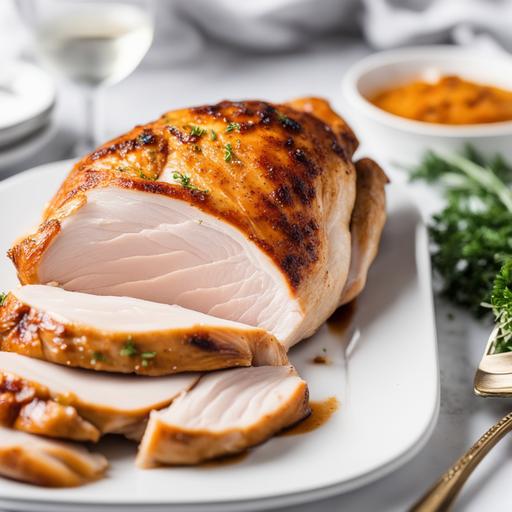
How To Cook Turkey Breast In Air Fryer [FULL GUIDE]
Recommended Equipments:
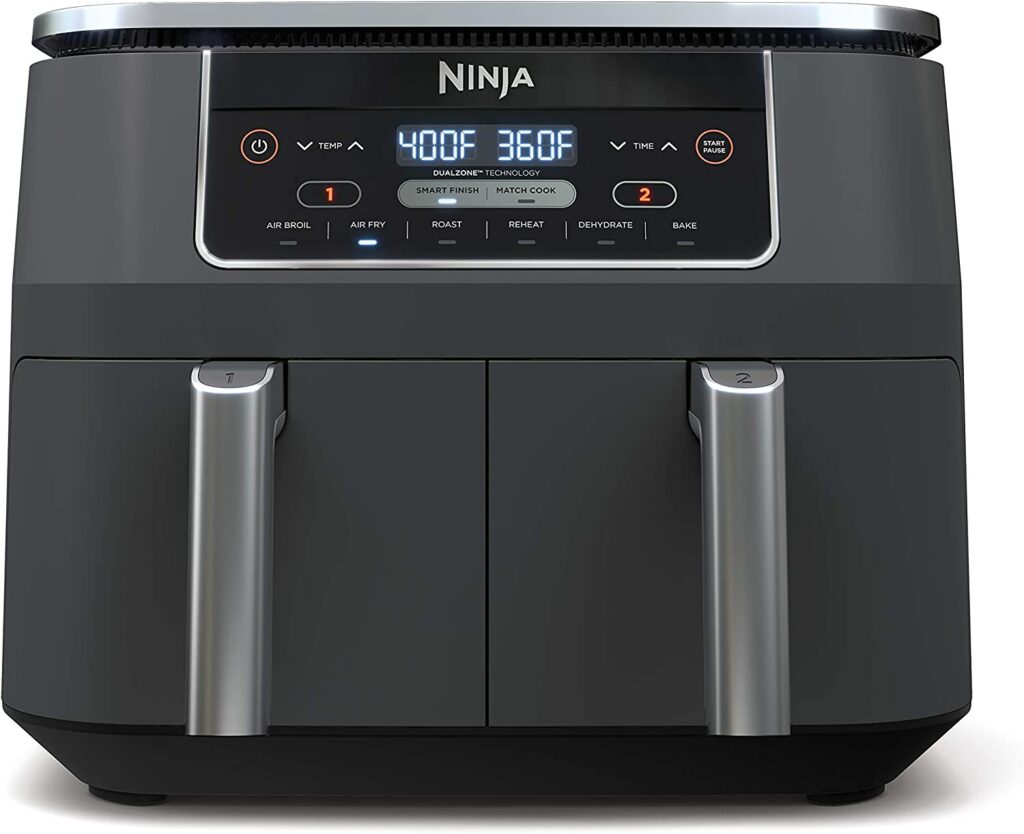
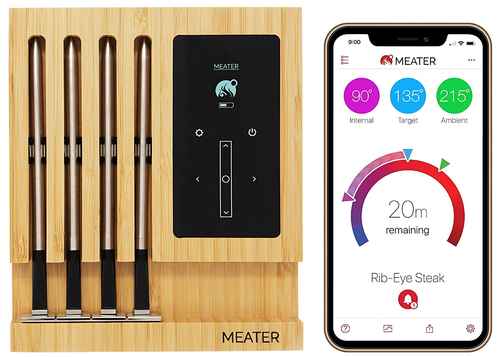
Cooking turkey breast in an air fryer has become one of the most reliable ways to achieve tender, evenly cooked meat with a beautifully crisp exterior. The rapid air-circulation technology ensures that heat surrounds the turkey from all sides, creating results similar to traditional oven roasting but in a fraction of the time. Whether you’re preparing a holiday meal, a weeknight dinner, or a high-protein meal prep component, the air fryer delivers consistency with minimal effort.
Unlike whole turkey roasting, where variability in size, shape, and bone structure complicates timing, turkey breast is straightforward and predictable-especially in the air fryer. The key variables are temperature, time, thickness, and internal moisture retention, all of which can be controlled with precision. This guide explores each of those factors in depth so you can produce a perfectly cooked turkey breast every time.
Optimal Air Fryer Temperature To Cook Turkey Breast In Air Fryer
For a balance of moisture retention and crisp exterior, the optimal air fryer temperature is 350°F (175°C).
This temperature is high enough to promote browning and create a golden crust on the turkey skin (if using a skin-on breast), but moderate enough that the interior stays tender before the surface can dry out. At lower temperatures, skin tends not to crisp and cooking times increase significantly. At higher temperatures, the exterior may overbrown or dry out while the interior remains undercooked.
350°F is the sweet spot where:
- Heat penetrates evenly
- The fibers in the turkey breast tighten gently instead of rapidly
- The outer layers develop a roasted flavor profile
- Juices remain locked inside
How Long To Cook Turkey Breast In Air Fryer
Once set at 350°F (175°C), the cooking time depends primarily on size and whether the turkey breast is boneless or bone-in.
Boneless Turkey Breast
- Weight: 1.5-2 pounds
- Time: 30-40 minutes
- Flip halfway: Recommended for even browning
Bone-In Turkey Breast
- Weight: 2-3 pounds
- Time: 40-55 minutes
- Flip halfway: Optional but helps heat distribution
Thickness influences cooking time more than overall weight. A compact, thick breast cooks slower than a longer, thinner one. Always use the time ranges as a guideline and rely on the internal temperature for accuracy.
How To Tell If It Is Done
Turkey breast is thoroughly cooked when the internal temperature reaches 165°F (74°C) at the thickest part. Use a high-quality instant-read thermometer and insert it horizontally into the thickest section, avoiding contact with bone if using bone-in.
Other indicators include:
- Clear juices running when pierced (though this is less reliable than a thermometer)
- Firm but not hard texture when gently pressed
- Light golden or deep golden crust depending on seasoning
Avoid cooking beyond 165°F to prevent dryness. If the turkey reaches 160°F and continues to rest for 5-10 minutes, carryover heat will usually bring it to 165°F safely.
Ingredients Needed
The beauty of air-fried turkey breast is its simplicity. Seasonings can be bold or subtle depending on your preferences. Common ingredients include:
- Turkey breast: Boneless or bone-in, 1.5-3 pounds
- Olive oil or melted butter: Helps seasoning adhere and promotes browning
- Salt: Essential for flavor penetration
- Black pepper: Adds foundational seasoning
- Garlic powder or minced garlic
- Onion powder
- Paprika: For color and mild smokiness
- Fresh or dried herbs: Such as thyme, rosemary, sage
- Optional: Lemon zest, smoked paprika, chili flakes, or poultry seasoning
How To Cook Turkey Breast In Air Fryer
-
Prepare The Turkey Breast
Pat it dry thoroughly with paper towels. Moisture on the surface inhibits browning and can create steam rather than crispness.
-
Season Generously
Rub the turkey breast with olive oil or butter. Apply salt, pepper, garlic powder, paprika, and herbs. Press seasonings into the meat for better adhesion.
-
Preheat The Air Fryer
Heat to 350°F (175°C) for 3-5 minutes. Preheating ensures immediate air circulation and reduces uneven cooking.
-
Position The Turkey Breast
Place it skin-side down first if using skin-on. This protects the skin from overbrowning early.
-
Cook And Flip
Cook for 15-20 minutes, flip, then cook for another 15-30 minutes depending on size.
-
Check Internal Temperature
Remove once the thickest part reaches 165°F.
-
Rest Before Slicing
Allow the turkey breast to rest for 5-10 minutes. Resting redistributes juices and improves texture.
What If I Use A Different Air Fryer Temperature?
Lower Temperatures (300-325°F)
- Pros: Less risk of surface overbrowning, slightly more forgiving.
- Cons: Longer cook time, weaker browning, potential for a softer exterior.
Higher Temperatures (375-400°F)
- Pros: Faster cook time, deeply browned crust.
- Cons: Higher risk of drying out the surface before the interior cooks. Not recommended for large, thick turkey breasts.
Using a temperature that is too high is the most common cause of dry, stringy turkey breast in air fryers.
What If I Use A Different Cooking Time?
- Shorter Time: Turkey will be undercooked or raw in the center. This is unsafe and must be avoided.
- Longer Time: The meat fibers constrict excessively, squeezing out moisture. This leads to a dry, chalky texture.
Cooking time is flexible only within a range. Internal temperature is the only reliable determinant of doneness.
When Things Go Wrong
Even experienced cooks occasionally encounter setbacks. Common issues include:
The Turkey Is Dry
Possible causes:
- Overcooking beyond 165°F
- Using too high a temperature
- Not resting the turkey after cooking
- Not using oil or butter
The Exterior Is Pale
Possible causes:
- Low cooking temperature
- Lack of oil or fat on the surface
- Overcrowding the air fryer basket
The Turkey Is Cooked Unevenly
Possible causes:
- Not flipping halfway
- Air fryer not preheated
- Breast thickness variation
The Seasoning Tastes Flat
Possible causes:
- Insufficient salt
- Seasonings applied without oil to bind them
- Turkey not dry before seasoning
Expert Tips
- Dry the turkey thoroughly before seasoning to maximize browning.
- Use oil or butter to help create a crisp, flavorful crust.
- Flip halfway through cooking for uniform texture.
- Do not skip the rest period, as it determines moisture retention.
- Preheat the air fryer so that cooking begins immediately and evenly.
- Marinate or dry-brine overnight for deeper flavor penetration.
- Use an instant-read thermometer rather than relying solely on time.
FAQs
What Is The Best Way To Prepare Turkey Breast For The Air Fryer?
Start by thawing the turkey breast completely if it is frozen. Pat it dry with paper towels to remove excess moisture, which helps achieve a crispy exterior. Season with salt, pepper, and other desired herbs or spices. Lightly coat the turkey with olive oil or melted butter to enhance browning.
What Temperature Should I Set My Air Fryer To For Cooking Turkey Breast?
Preheat the air fryer to 350°F (175°C) for optimal cooking. This temperature allows the turkey breast to cook evenly without drying out while still developing a golden-brown crust.
How Long Does It Take To Cook A Turkey Breast In An Air Fryer?
Cooking time depends on the size of the turkey breast. For a 2-3 pound turkey breast, cook for approximately 25-30 minutes, flipping halfway through. Always use a meat thermometer to ensure the internal temperature reaches 165°F (74°C) for safe consumption.
Do I Need To Cover The Turkey Breast While Air Frying?
It is not necessary to cover the turkey breast. The air fryer circulates hot air, which crisps the skin naturally. Covering it may trap moisture and prevent proper browning. However, if the skin starts to brown too quickly, loosely tenting with foil can prevent burning.
Should I Brine The Turkey Breast Before Air Frying?
Brining is optional but recommended for enhanced moisture and flavor. A simple brine of water, salt, sugar, and herbs for 4-6 hours can improve juiciness and tenderness. Rinse and pat dry the turkey before seasoning and air frying.
How Can I Ensure The Turkey Breast Stays Moist In The Air Fryer?
Avoid overcooking by monitoring the internal temperature with a meat thermometer. Brining or marinating beforehand helps retain moisture. Basting with melted butter or pan drippings during cooking can also prevent dryness.
Can I Cook A Stuffed Turkey Breast In An Air Fryer?
Yes, but cooking times will be longer due to the filling. Ensure the stuffing also reaches 165°F (74°C) for food safety. It is recommended to loosely cover the top with foil if the exterior begins to brown too quickly while ensuring thorough internal cooking.