
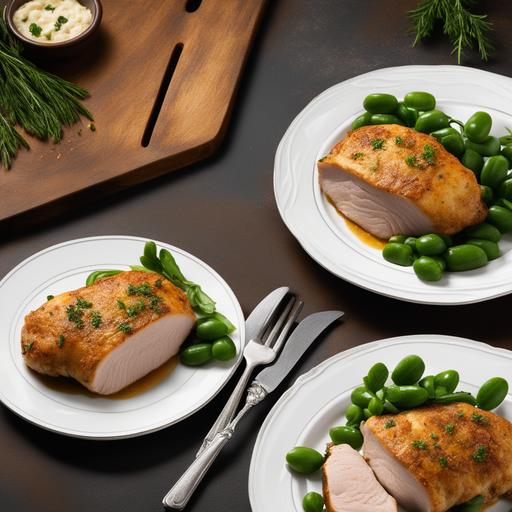
How To Cook Turkey Tenderloin In Air Fryer [FULL GUIDE]
Recommended Equipments:
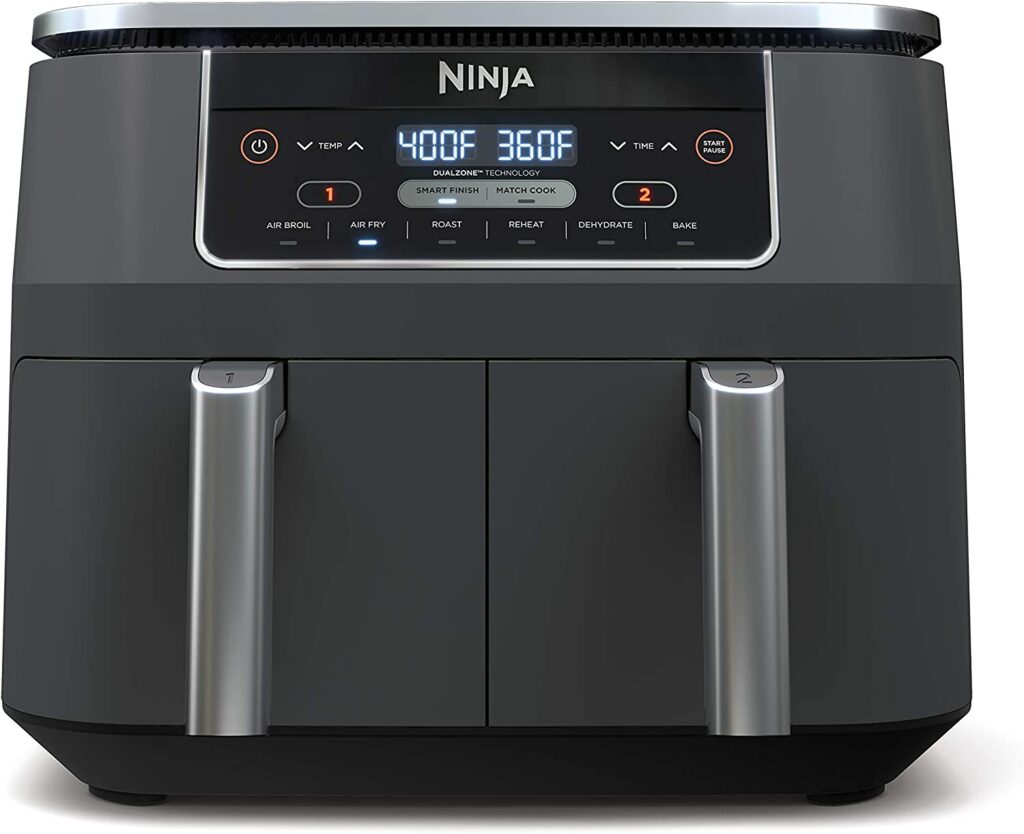
Cooking turkey tenderloin in an air fryer is a revelation for home cooks who want a juicy, flavorful protein without the fuss of traditional roasting. Turkey tenderloin, the lean and tender portion of the bird, is naturally mild in flavor, making it an excellent canvas for marinades, rubs, or simple seasonings. Air fryers, with their rapid hot air circulation, provide a cooking method that seals in juices while creating a lightly crisp exterior, transforming a lean cut that is prone to dryness into a succulent, evenly cooked dish. Beyond convenience, air fryers shorten cooking times, require minimal cleanup, and allow for precise temperature control, making them ideal for perfectly cooked turkey tenderloin.
Optimal Air Fryer Temperature To Cook Turkey Tenderloin In Air Fryer
The ideal air fryer temperature for turkey tenderloin generally falls between 350°F (175°C) and 375°F (190°C). This temperature range strikes a balance: it cooks the meat evenly without drying it out and encourages a subtle browning of the surface. Cooking at a lower temperature (around 325°F) results in a slower cook, preserving moisture but reducing browning, whereas higher temperatures (400°F or more) risk overcooking the exterior before the interior reaches a safe temperature. Setting your air fryer at 360°F often achieves the best combination of juiciness, tenderness, and a lightly caramelized exterior.
How Long To Cook Turkey Tenderloin In Air Fryer
The cooking time for turkey tenderloin in an air fryer depends on the size and thickness of the tenderloin. On average:
- 1 pound tenderloin: 20-25 minutes
- 1.5 pounds tenderloin: 25-30 minutes
- 2 pounds tenderloin: 30-35 minutes
It’s crucial to flip the tenderloin halfway through the cooking process. This ensures even exposure to circulating hot air, promoting uniform cooking and preventing one side from drying out or browning too quickly. Always remember, these are approximate times-the best indicator is the internal temperature rather than relying solely on the clock.
How To Tell If It Is Done
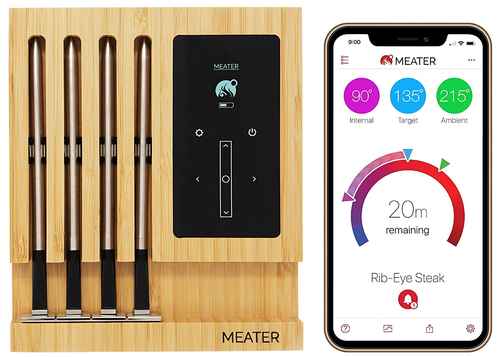
The most reliable method to determine doneness is using a meat thermometer. Turkey tenderloin should reach an internal temperature of 165°F (74°C) at the thickest part. Insert the thermometer horizontally into the center of the meat to avoid false readings.
Other visual and tactile indicators:
- The meat should have a slightly firm texture but still give under gentle pressure.
- Juices running from the tenderloin should be clear, not pink or bloody.
- The exterior should be lightly browned and slightly crisp if the tenderloin has been seasoned or brushed with oil.
Ingredients Needed
To prepare a flavorful turkey tenderloin in the air fryer, you will need:
- Turkey tenderloin (1-2 pounds)
- Olive oil or melted butter (1-2 tablespoons)
- Salt (to taste)
- Black pepper (to taste)
- Garlic powder (1 teaspoon)
- Paprika (1 teaspoon, optional for color and subtle smokiness)
- Dried herbs such as thyme, rosemary, or sage (optional, 1 teaspoon each)
Optional for marinade:
- Soy sauce or Worcestershire sauce (1-2 tablespoons)
- Lemon juice (1 tablespoon)
- Honey or maple syrup (1 teaspoon for slight sweetness)
These ingredients can be adjusted according to your taste preferences. The key is to evenly coat the tenderloin so that every bite carries flavor.
How To Cook Turkey Tenderloin In Air Fryer
- Prep the tenderloin: Pat dry with paper towels. This removes excess moisture, helping the exterior crisp.
- Season: Rub the tenderloin with olive oil or melted butter. Sprinkle with salt, pepper, garlic powder, paprika, and any herbs. If marinating, combine the marinade ingredients and let the meat soak for 30 minutes to 2 hours in the refrigerator.
- Preheat the air fryer: Preheat to 360°F (182°C) for 3-5 minutes.
- Cook: Place the tenderloin in the air fryer basket in a single layer. Cook for 20-25 minutes, flipping halfway through.
- Check temperature: Insert a meat thermometer in the thickest part. Once it reaches 165°F, remove the tenderloin.
- Rest: Let the meat rest for 5-10 minutes before slicing. Resting allows juices to redistribute, ensuring tender, moist slices.
What If I Use A Different Air Fryer Temperature?
- Lower temperature (325°F): Cooking will take longer, and the exterior may not brown as much. The meat stays very juicy, but you may sacrifice the slightly crisp crust.
- Higher temperature (400°F): The exterior browns quickly, creating a caramelized crust, but you must reduce cooking time to prevent the interior from drying. Overly high heat can also cause uneven cooking, especially in thicker tenderloins.
Always monitor the internal temperature with a thermometer rather than relying on cooking time alone.
What If I Use A Different Air Fryer Cooking Time?
- Shorter time: The meat will likely be undercooked, with a pale interior and unsafe internal temperature.
- Longer time: The tenderloin will become dry and stringy, as turkey is lean and does not tolerate overcooking.
Precision is key: combine the correct temperature with frequent checks on internal temperature to avoid culinary disasters.
When Things Go Wrong
- Dry meat: Often caused by overcooking. Slice thinly and serve with a gravy, sauce, or marinade to add moisture.
- Undercooked meat: Simply return to the air fryer in 2-3 minute increments until it reaches 165°F.
- Uneven browning: Flip halfway through cooking and ensure the tenderloin is not crowded in the basket, allowing hot air to circulate properly.
Expert Tips
- Preheat the air fryer to ensure immediate searing and even cooking.
- Pat the meat dry to enhance browning.
- Use a thermometer-never rely on guesswork, as turkey can go from perfect to dry very quickly.
- Flip halfway for uniform crisping and color.
- Rest before slicing to lock in juices.
- Experiment with rubs and marinades-turkey tenderloin’s mild flavor is versatile.
- Do not overcrowd the basket; air circulation is critical for even cooking.
FAQs
What Is The Recommended Temperature To Cook Turkey Tenderloin In An Air Fryer?
The recommended temperature for cooking turkey tenderloin in an air fryer is 375°F (190°C). This temperature ensures the meat cooks evenly while maintaining juiciness and prevents the exterior from drying out.
How Long Should Turkey Tenderloin Be Cooked In An Air Fryer?
Turkey tenderloin typically takes 20 to 25 minutes to cook in an air fryer, depending on the size and thickness of the tenderloin. It is advisable to flip the tenderloin halfway through cooking for even browning.
Do I Need To Marinate Or Season The Turkey Tenderloin Before Air Frying?
Yes, seasoning or marinating the turkey tenderloin before air frying enhances flavor and tenderness. A simple combination of olive oil, salt, pepper, garlic powder, and herbs works well. Marinating for at least 30 minutes can further improve flavor penetration.
How Can I Check If The Turkey Tenderloin Is Fully Cooked?
The safest way to check doneness is by using a meat thermometer. Insert it into the thickest part of the tenderloin; the internal temperature should reach 165°F (74°C) for safe consumption.
Should I Cover The Turkey Tenderloin With Foil In The Air Fryer?
It is not necessary to cover turkey tenderloin with foil in an air fryer. The circulating hot air will cook the meat evenly and create a lightly browned exterior. However, if you notice excessive browning, you can tent it loosely with foil toward the end of cooking.
Can I Cook Frozen Turkey Tenderloin In An Air Fryer?
Yes, frozen turkey tenderloin can be cooked in an air fryer, but it will require additional cooking time, typically 10 to 15 minutes longer than fresh meat. Make sure to thaw partially if possible and check the internal temperature to ensure it reaches 165°F (74°C).
How Can I Make The Turkey Tenderloin More Juicy And Tender In The Air Fryer?
To keep turkey tenderloin juicy, avoid overcooking it and consider brining it for a few hours before cooking. Brining adds moisture and enhances tenderness. Additionally, letting the meat rest for 5 to 10 minutes after cooking allows the juices to redistribute evenly.