
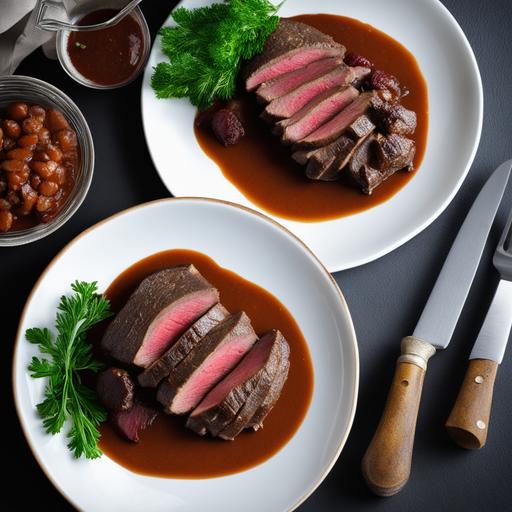
How To Cook Venison In Air Fryer [FULL GUIDE]
Recommended Equipments:
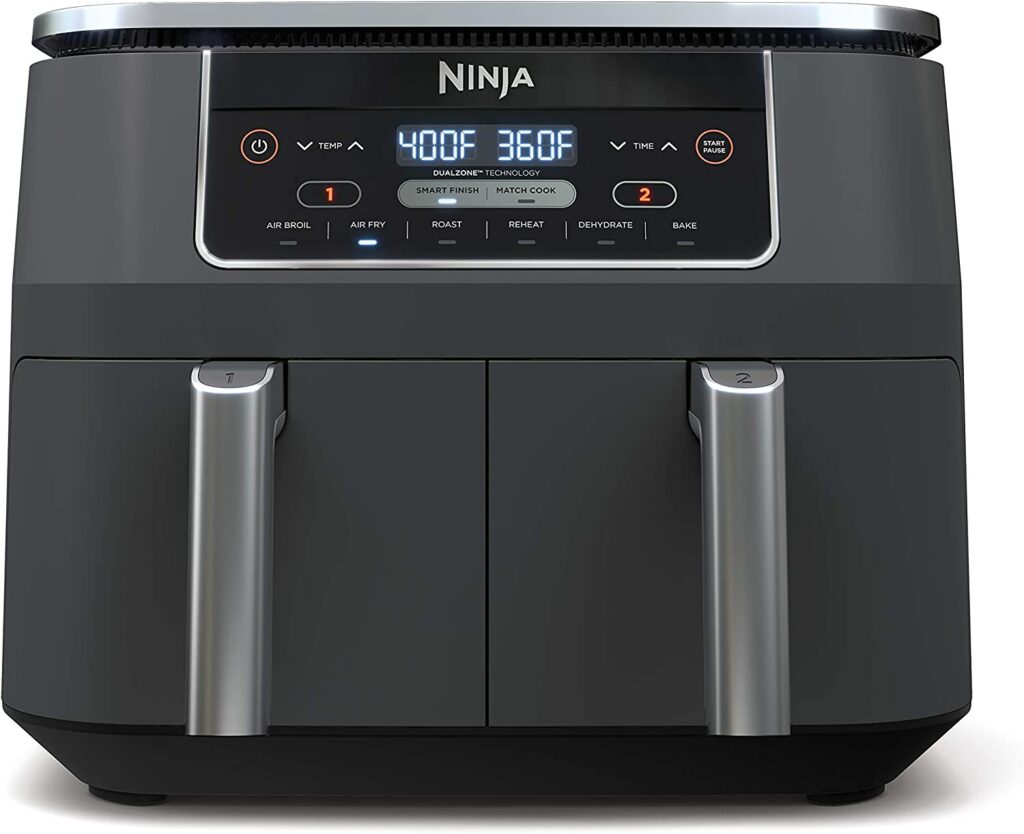
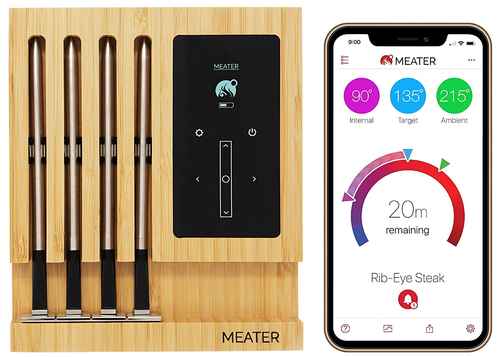
Venison, the lean and flavorful meat derived from deer, has been a culinary staple for centuries, prized for its rich taste and nutritional benefits. Unlike beef or pork, venison is remarkably low in fat, which makes it tender and flavorful but also prone to overcooking if not handled correctly. With the advent of air fryers, cooking venison has become simpler, healthier, and faster, without sacrificing taste. Air fryers work by circulating hot air rapidly around the food, creating a crispy exterior while sealing in the juices. Cooking venison in an air fryer requires careful attention to temperature, timing, and seasoning to ensure a perfectly cooked, succulent result every time.
Optimal Air Fryer Temperature To Cook Venison In Air Fryer
Cooking venison in an air fryer requires precise temperature control due to its lean nature. The ideal air fryer temperature for venison typically ranges between 375°F to 400°F (190°C to 204°C).
- 375°F (190°C): Suitable for thicker cuts like venison loin or tenderloin. It allows the meat to cook evenly and retain moisture.
- 400°F (204°C): Best for smaller or thinner cuts, like venison steaks or medallions, providing a slightly crispier exterior without drying out the meat.
Lower temperatures may result in uneven cooking, while excessively high temperatures can quickly dry out the meat due to its low fat content. Using a thermometer to monitor internal temperature is highly recommended to achieve the perfect doneness.
How Long To Cook Venison In Air Fryer
Cooking times vary depending on the cut and thickness of the venison:
- Venison steaks (1-inch thick): 10-12 minutes, flipping halfway through.
- Venison tenderloin (whole): 15-20 minutes, depending on thickness, turning once.
- Venison medallions (½-inch thick): 6-8 minutes, flipping halfway.
These times are based on an air fryer preheated to 375-400°F. The goal is to achieve an internal temperature that ensures safety while preserving tenderness.
How To Tell If It Is Done
Unlike beef, venison lacks intramuscular fat, so visual cues alone are insufficient. Using a meat thermometer is the most reliable method:
- Rare: 120-125°F (49-52°C)
- Medium-rare: 130-135°F (54-57°C)
- Medium: 140-145°F (60-63°C)
- Well-done: 160°F (71°C) and above
Avoid relying solely on color; the meat can appear done on the outside while remaining undercooked inside. A slight pink center is normal and recommended for optimal flavor and tenderness.
Ingredients Needed
Cooking venison in an air fryer can be simple, but seasoning is crucial:
- Venison steaks, tenderloin, or medallions
- Olive oil or avocado oil (for brushing or light coating)
- Salt and freshly ground black pepper
- Garlic powder or minced garlic
- Onion powder (optional)
- Fresh herbs (rosemary, thyme, or sage)
- Optional marinade: balsamic vinegar, soy sauce, Worcestershire sauce, or red wine
A light coat of oil prevents sticking and helps develop a slightly crisp exterior. Herbs and seasonings enhance the natural gamey flavor of venison.
How To Cook Venison In Air Fryer
- Preheat the air fryer to 375-400°F.
- Prepare the venison: Pat dry with paper towels. Brush lightly with oil and season generously on all sides.
- Optional marinade: For extra tenderness, marinate venison for 1-4 hours before cooking.
- Arrange venison in the air fryer basket: Avoid overcrowding to allow hot air to circulate evenly.
- Cook: Cook for 6-20 minutes depending on the cut, flipping halfway through for even browning.
- Check doneness: Use a meat thermometer to ensure your preferred internal temperature.
- Rest: Let the venison rest for 5-10 minutes after cooking. Resting redistributes juices, enhancing tenderness.
What If I Use A Different Air Fryer Temperature?
Using a lower temperature (e.g., 350°F) will slow the cooking process, which can help thicker cuts remain moist but may reduce crispiness. Conversely, higher temperatures (425°F or above) risk overcooking the meat externally while leaving the inside undercooked. Adjusting temperature requires careful monitoring of internal temperature to prevent dryness.
What If I Use A Different Air Fryer Cooking Time?
Cooking venison for longer than recommended generally results in a dry, tough texture due to its low fat content. Shorter cooking times may leave the interior undercooked. Always pair cooking time adjustments with a meat thermometer reading to maintain the ideal internal temperature.
When Things Go Wrong
- Dry venison: Likely overcooked or cooked at too high a temperature. Solution: slice thinly and serve with a sauce or gravy.
- Undercooked inside: Increase the cooking time in 2-3 minute increments and check temperature frequently.
- Uneven cooking: Ensure cuts are similar in thickness and avoid overcrowding the basket.
Expert Tips
- Resting is crucial: Even 5 minutes of rest can make a noticeable difference in tenderness.
- Light oiling: Avoid heavy oil or butter, as venison’s low fat content doesn’t require it.
- Marinades: Acidic marinades (vinegar, citrus, wine) can help tenderize thicker cuts.
- Don’t overflip: Flip once halfway; constant flipping can prevent proper browning.
- Use a meat thermometer: This is the single most effective way to prevent overcooking.
FAQs
What Cut Of Venison Is Best For Air Frying?
Tender cuts like loin, tenderloin, or backstrap are ideal for air frying because they cook quickly and remain juicy. Tougher cuts, such as shoulder or shank, may become dry unless marinated or cooked at lower temperatures for longer periods.
Do I Need To Marinate Venison Before Air Frying?
Marinating venison is recommended to enhance flavor and prevent it from drying out. Simple marinades with oil, acidic components like vinegar or citrus, and herbs can tenderize the meat and add depth of flavor. Even a short 30-minute marination can improve the taste.
What Temperature Should I Use To Cook Venison In An Air Fryer?
For tender cuts, preheat the air fryer to 375°F (190°C) and cook for 8-12 minutes, depending on thickness. For slightly tougher cuts, cooking at a lower temperature of 350°F (175°C) for a longer time can help retain moisture.
How Can I Ensure Venison Doesn’t Become Dry In The Air Fryer?
To prevent dryness, avoid overcooking and consider brushing the meat with oil or butter before cooking. Using a meat thermometer to check for doneness-135°F (57°C) for medium-rare or 145°F (63°C) for medium-ensures the meat remains tender and juicy.
Do I Need To Flip Venison During Air Frying?
Yes, flipping venison halfway through cooking promotes even browning and prevents one side from drying out. This is especially important for thicker cuts like loin or backstrap.
Can I Cook Frozen Venison In The Air Fryer?
It is possible, but cooking from frozen may result in uneven cooking and longer cook times. Thawing venison in the refrigerator before air frying ensures more consistent results and better texture.
Should I Rest Venison After Air Frying?
Yes, resting venison for 5-10 minutes after cooking allows the juices to redistribute, resulting in a more tender and flavorful final product. Cover the meat loosely with foil while resting to retain warmth.