
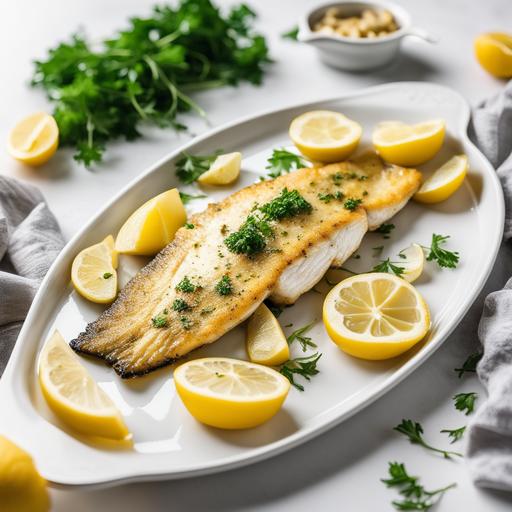
How To Cook Walleye In Air Fryer [FULL GUIDE]
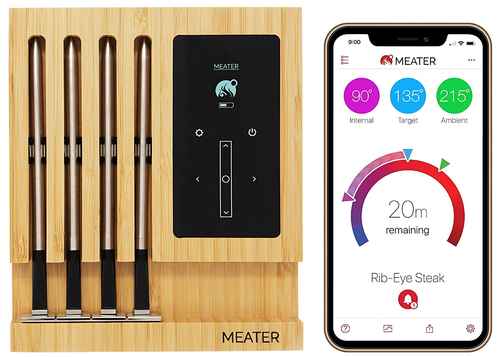
Recommended Equipments:
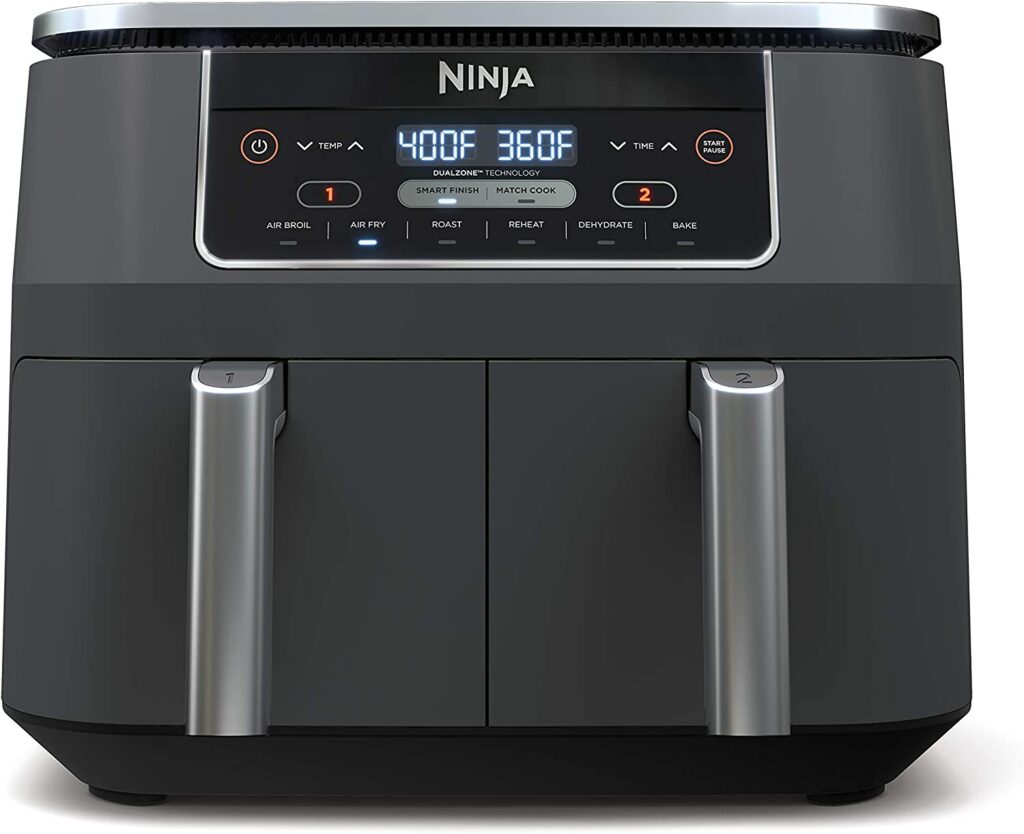
Walleye, often hailed as the crown jewel of freshwater fish, boasts a delicate, flaky texture with a mild, slightly sweet flavor. Its versatility makes it ideal for frying, baking, or grilling, but the air fryer has emerged as a game-changer for cooking walleye quickly and healthily. Using an air fryer allows the fish to retain its natural juices while achieving a perfectly crisp exterior-without drowning it in oil. The result is a golden, tender fillet that tastes restaurant-quality but is made effortlessly at home. Understanding the precise temperature, timing, and techniques is key to ensuring each fillet reaches peak flavor and texture.
Optimal Air Fryer Temperature To Cook Walleye In Air Fryer
Temperature control is crucial when air-frying walleye. Too high, and the delicate flesh can dry out; too low, and you lose that desirable crispy exterior. For most air fryers, a temperature range of 375°F to 400°F (190°C to 204°C) strikes the perfect balance. At 375°F, the fish cooks gently, allowing the interior to remain moist and tender. Pushing the temperature to 400°F accelerates the Maillard reaction on the exterior, producing a golden, slightly crisp finish reminiscent of deep-frying-but without excess oil.
The type of coating on the fillet can also influence temperature choices. For lightly seasoned or plain walleye, 375°F ensures careful cooking. For breaded or heavily seasoned fillets, 400°F may help achieve a crunchier exterior without overcooking the fish.
How Long To Cook Walleye In Air Fryer
Cooking time is directly linked to both the thickness of the fillets and the chosen temperature. A general guideline is:
- Thin fillets (½ inch or less): 7-9 minutes at 375-400°F.
- Medium fillets (¾ inch): 10-12 minutes at 375-400°F.
- Thicker fillets (1 inch or more): 12-15 minutes at 375-400°F.
It’s important to flip the fillets halfway through cooking for uniform browning and even heat distribution. Unlike traditional frying or baking, air fryers circulate hot air rapidly, so even a small overestimate in time can quickly dry out the delicate flesh.
How To Tell If It Is Done
Perfectly cooked walleye should flake easily when gently pressed with a fork. Key signs include:
- Opaque Flesh: Raw walleye is translucent; when cooked, it turns a pearly white.
- Flaky Texture: The flesh should separate easily along the natural muscle lines without appearing mushy.
- Internal Temperature: Using a meat thermometer is the most precise method-walleye is done at 145°F (63°C).
Avoid cutting into the fillet too early, as this can release juices prematurely and dry out the fish.
Ingredients Needed
For a simple, flavorful air-fried walleye, gather the following:
- 2-4 walleye fillets, skinless or with skin removed
- 1-2 tablespoons olive oil or melted butter
- ½ teaspoon salt (adjust to taste)
- ¼ teaspoon black pepper
- ½ teaspoon garlic powder
- ½ teaspoon paprika or smoked paprika for added flavor
- Optional: lemon wedges, fresh herbs (parsley, dill) for garnish
For a breaded variant:
- ½ cup panko breadcrumbs
- ¼ cup grated Parmesan cheese
- 1 teaspoon dried Italian herbs
How To Cook Walleye In Air Fryer
- Preheat the Air Fryer: Set to 375-400°F for 3-5 minutes. Preheating ensures even cooking from the start.
- Prepare the Fillets: Pat the fish dry to remove excess moisture. Brush lightly with olive oil or melted butter and season with salt, pepper, garlic powder, and paprika. For breaded fillets, coat with a mixture of panko, Parmesan, and herbs.
- Place in the Basket: Arrange fillets in a single layer, leaving space between each to allow proper air circulation.
- Cook: Air fry for 7-15 minutes depending on thickness, flipping halfway through.
- Check Doneness: Look for opaque flesh, flaky texture, and an internal temperature of 145°F.
- Serve: Garnish with fresh herbs and a squeeze of lemon for bright, fresh flavor.
What If I Use A Different Air Fryer Temperature?
Altering the temperature affects both cooking time and texture:
- Lower Temperatures (<375°F): The fillet will cook more slowly, potentially resulting in a moister interior but a less crispy exterior.
- Higher Temperatures (>400°F): The exterior will brown faster, but there is a higher risk of drying out the fish or burning delicate seasonings.
Adjust cooking time accordingly; lower temperatures may require a few extra minutes, while higher temperatures require vigilance to prevent overcooking.
What If I Use A Different Air Fryer Cooking Time?
Cooking time has a direct impact on texture:
- Shorter Time: Undercooked walleye will be translucent, soft, and may have a slightly gelatinous texture.
- Longer Time: Overcooking leads to dryness, flakiness that falls apart excessively, and diminished flavor.
Always check the fillet visually and, if possible, with a meat thermometer to ensure optimal results.
When Things Go Wrong
Even with careful attention, issues can arise:
- Fish Sticks to Basket: Ensure the basket is lightly oiled, or use parchment paper designed for air fryers.
- Uneven Cooking: Flip the fillets halfway through and avoid overcrowding the basket.
- Dry or Rubbery Texture: Reduce temperature slightly, shorten cooking time, and make sure the fillet isn’t too thin.
- Overly Dark Coating: Lower the temperature slightly or brush with oil sparingly to avoid burning breadcrumbs or seasonings.
Expert Tips
- Pat Dry: Removing excess moisture ensures a crispier exterior.
- Use a Thermometer: Never rely solely on time; walleye thickness varies.
- Light Oil Brush: Brushing with a thin layer of oil is preferable to spraying excessively, which can cause uneven browning.
- Let Rest: Allow fillets to rest 2-3 minutes after cooking; residual heat continues cooking the fish slightly.
- Layering Flavors: Lemon zest, smoked paprika, or a dash of cayenne can elevate the natural taste without overpowering it.
FAQs
What Is The Best Way To Prepare Walleye For The Air Fryer?
To prepare walleye for the air fryer, start by patting the fillets dry with paper towels to remove excess moisture. This ensures a crisp exterior. Lightly season the fish with salt, pepper, and optional spices or herbs. You can also brush a thin layer of oil or melted butter to enhance browning and prevent sticking.
What Temperature Should I Set The Air Fryer To Cook Walleye?
Preheat the air fryer to 375°F (190°C). This temperature allows the walleye to cook evenly while developing a golden, crispy exterior without drying out the delicate flesh.
How Long Does It Take To Cook Walleye In An Air Fryer?
Cooking time generally ranges from 8 to 12 minutes depending on the thickness of the fillets. Flip the fish halfway through the cooking process for uniform browning. Fillets about 1 inch thick usually take approximately 10 minutes.
Should I Use Any Coating On Walleye Before Air Frying?
Coating is optional but recommended for added texture. You can lightly dredge the fillets in flour, breadcrumbs, or cornmeal. For a gluten-free option, crushed nuts or panko works well. Lightly spraying the coating with cooking spray helps achieve a crispy finish.
How Do I Know When The Walleye Is Fully Cooked?
Walleye is fully cooked when the flesh becomes opaque and flakes easily with a fork. The internal temperature should reach 145°F (63°C). Overcooking can make the fish dry, so monitor closely near the end of the cooking time.
Can I Cook Frozen Walleye In The Air Fryer?
Yes, frozen walleye can be cooked in the air fryer, but it requires slightly longer cooking time. Preheat the air fryer to 375°F (190°C) and cook frozen fillets for 12-15 minutes, flipping halfway through. Ensure the internal temperature reaches 145°F (63°C) before serving.
What Are Some Serving Suggestions For Air-fried Walleye?
Air-fried walleye pairs well with fresh lemon wedges, tartar sauce, or a light herb butter. It can be served alongside roasted vegetables, a crisp salad, or seasoned rice for a balanced meal. Garnishing with fresh herbs like parsley or dill enhances both flavor and presentation.