
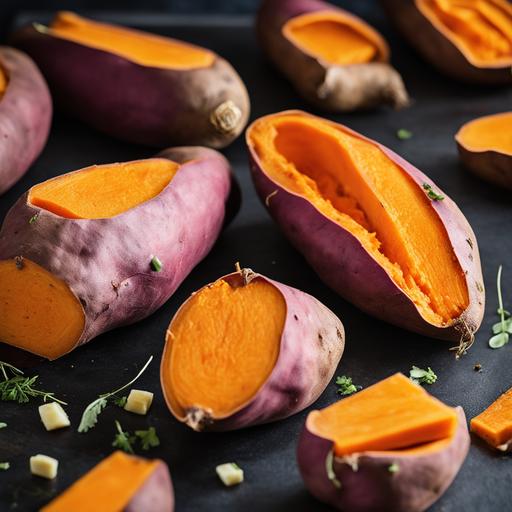
How To Cook Whole Sweet Potatoes In Air Fryer [FULL GUIDE]
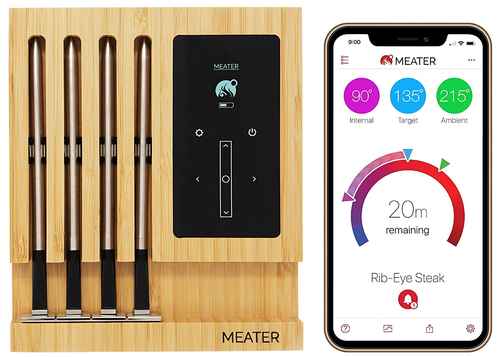
Recommended Equipments:
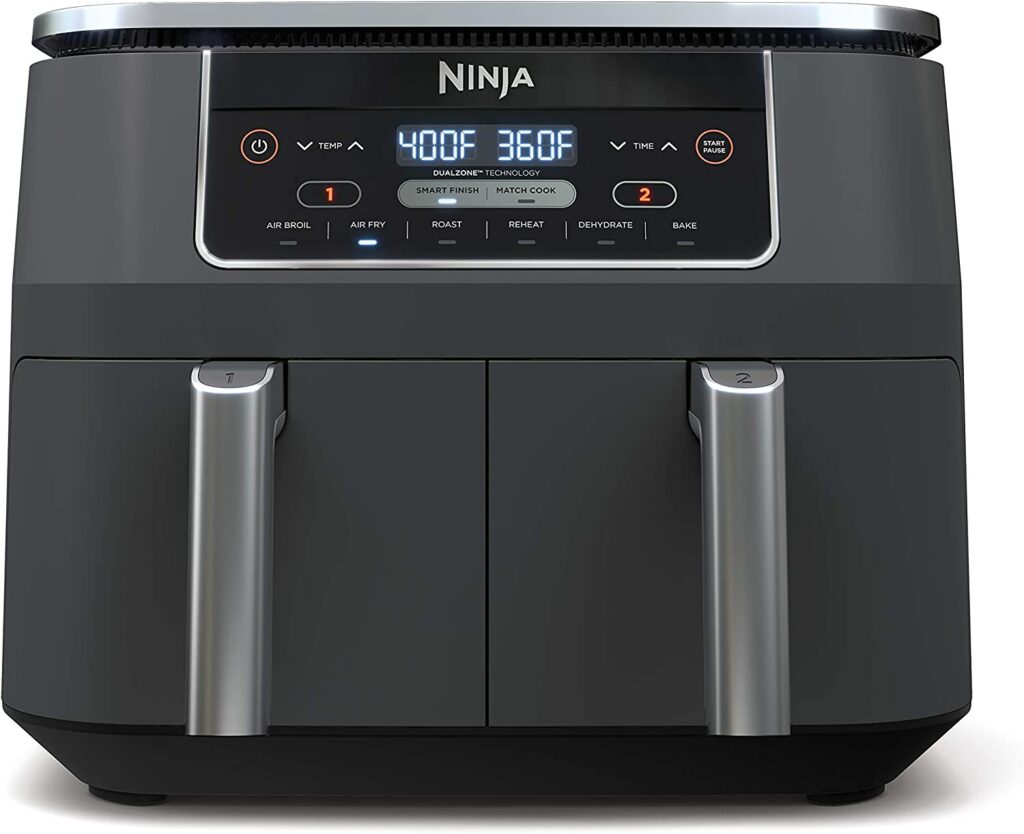
Sweet potatoes are a versatile and nutritious root vegetable, celebrated for their natural sweetness, vibrant orange flesh, and impressive nutritional profile. Rich in fiber, vitamins A and C, and potassium, they provide a wholesome addition to any meal. Traditionally, sweet potatoes are baked in an oven for 45 minutes to an hour, but air fryers offer a modern, faster, and energy-efficient alternative. Cooking whole sweet potatoes in an air fryer is not only convenient but can result in a perfectly caramelized, tender interior with a slightly crisp skin-a combination that is difficult to achieve through other cooking methods. This guide explores how to master whole sweet potatoes in the air fryer, with expert tips, troubleshooting advice, and variations to suit your preferences.
Optimal Air Fryer Temperature To Cook Whole Sweet Potatoes In Air Fryer
Temperature is the cornerstone of air frying whole sweet potatoes. Too low, and the potato cooks unevenly, leaving a hard core; too high, and the skin may char before the inside becomes tender. Through testing and culinary experience, the ideal temperature is around 390°F (199°C).
At this temperature, the air fryer generates consistent convection heat, allowing the skin to crisp slightly while the interior softens evenly. If your air fryer tends to run hot, you may reduce the temperature slightly to 375°F (190°C). Conversely, if you prefer a slightly faster cook with more pronounced caramelization on the skin, a temperature of 400°F (204°C) works, though you must monitor closely to prevent burning.
How Long To Cook Whole Sweet Potatoes In Air Fryer
Cooking time depends on the size of the sweet potato and your desired texture. For medium-sized sweet potatoes (approximately 6-8 ounces each), the general guideline is 35-45 minutes at 390°F (199°C).
- Small sweet potatoes (4-6 ounces): 30-35 minutes
- Medium sweet potatoes (6-8 ounces): 35-45 minutes
- Large sweet potatoes (8-12 ounces): 45-55 minutes
Air fryer models differ in power and airflow, so it’s important to check periodically. Flipping the sweet potatoes halfway through cooking ensures even heat distribution and prevents one side from overcooking.
How To Tell If It Is Done
Determining doneness goes beyond simply trusting the timer. A perfectly cooked sweet potato should feel soft when gently squeezed with tongs or oven mitts (avoid burning your hands). You can also insert a fork or skewer into the thickest part of the potato-if it slides in effortlessly without resistance, the potato is fully cooked.
The skin may appear wrinkled and slightly caramelized, signaling that moisture has evaporated, concentrating the natural sugars. For those who like their sweet potatoes extra soft and creamy, a few extra minutes may be required.
Ingredients Needed
Cooking whole sweet potatoes in an air fryer requires minimal ingredients:
- Whole sweet potatoes (medium-sized recommended for uniform cooking)
- Optional: A small amount of olive oil or cooking spray to lightly coat the skin (enhances crispiness)
- Optional seasonings: Sea salt, black pepper, or cinnamon for added flavor
Unlike roasting in an oven, air frying does not require parchment paper or foil unless you prefer easier cleanup.
How To Cook Whole Sweet Potatoes In Air Fryer
- Preheat the air fryer to 390°F (199°C) for 3-5 minutes.
- Wash and dry the sweet potatoes thoroughly to remove dirt. Prick the skin 2-3 times with a fork to allow steam to escape.
- Optional: Rub a small amount of olive oil on the skin for extra crispiness. Season lightly with salt if desired.
- Place sweet potatoes in the air fryer basket in a single layer, ensuring they do not touch for even cooking.
- Cook for 35-45 minutes, flipping halfway through the cooking time.
- Check for doneness by inserting a fork or gently squeezing. If it resists, continue cooking in 5-minute increments until tender.
- Remove carefully and let rest for 5 minutes before serving to allow internal steam to redistribute.
What If I Use A Different Air Fryer Temperature?
Altering the temperature affects both texture and cook time.
- Lower temperatures (350-375°F / 175-190°C): Result in slower cooking with a softer, less caramelized skin. Perfect for delicate or very large sweet potatoes.
- Higher temperatures (400-420°F / 204-216°C): Produce crispier skins and intensified natural sugars but risk overcooking the exterior while leaving the core slightly firm. Careful monitoring is essential.
Temperature adjustments should always be paired with time adjustments for best results.
What If I Use A Different Air Fryer Cooking Time?
Changing cooking time can make or break your sweet potato:
- Shorter cooking times: Will leave the center firm or even raw, while the exterior may appear cooked.
- Longer cooking times: Ensure a fully soft interior but may dry out the skin or create a slightly mushy texture.
The key is to periodically test doneness and adjust incrementally-air fryers are more forgiving than ovens in this regard, as they cook faster and more evenly.
When Things Go Wrong
Even with careful preparation, air frying whole sweet potatoes can encounter a few pitfalls:
- Undercooked core: Usually due to high heat or large potatoes. Slice and return to the air fryer, lowering temperature slightly.
- Overly dry interior: Often from excessive cooking or very high heat. Try wrapping in foil for the final 10 minutes next time to retain moisture.
- Burned skin: Usually from cooking too hot or leaving in the air fryer too long. Reduce temperature by 10-20°F next attempt.
Patience and small adjustments are key to mastering the air fryer sweet potato.
Expert Tips
- Uniform sizing: Choose sweet potatoes of similar size for even cooking.
- Preheat the air fryer: Ensures consistent cooking from the start.
- Flip halfway: Encourages even browning and prevents one side from overcooking.
- Test for doneness early: Start checking 5 minutes before expected finish time to prevent overcooking.
- Rest before cutting: Allows steam to redistribute, enhancing creamy texture.
- Customize seasonings: Try smoked paprika, garlic powder, or cinnamon for a unique twist.
FAQs
How Long Does It Take To Cook Whole Sweet Potatoes In An Air Fryer?
Most medium-sized whole sweet potatoes take about 35 to 45 minutes at 380°F (193°C). Larger potatoes may require up to 55 minutes. Rotate or check halfway through for even cooking.
Do I Need To Pierce The Sweet Potatoes Before Air Frying?
Yes. Piercing the potatoes several times with a fork allows steam to escape and helps them cook evenly without bursting.
Should I Wrap Whole Sweet Potatoes In Foil When Using An Air Fryer?
No. Wrapping them in foil traps moisture and prevents the skins from becoming crisp. Air fryers work best with direct airflow around the potatoes.
Do I Need To Preheat The Air Fryer?
Preheating is recommended but not mandatory. Preheating for 3 to 5 minutes at the cooking temperature helps ensure the sweet potatoes cook more evenly and within the estimated time range.
How Do I Know When The Sweet Potatoes Are Fully Cooked?
They are done when a fork or knife slides easily into the center with little resistance. Internal temperature should be around 205°F to 212°F (96°C to 100°C) for optimal softness.
Should I Oil The Sweet Potatoes Before Cooking?
A light coating of oil on the skin enhances crispness and improves browning, but it is optional. The potatoes will still cook properly without oil.
Can I Cook Multiple Whole Sweet Potatoes At Once In The Air Fryer?
Yes, as long as the potatoes are arranged in a single layer with space for air circulation. Overcrowding can lead to uneven cooking and longer cook times.