
How To Dehydrate Candy In Air Fryer [FULL GUIDE]
Recommended Equipments:
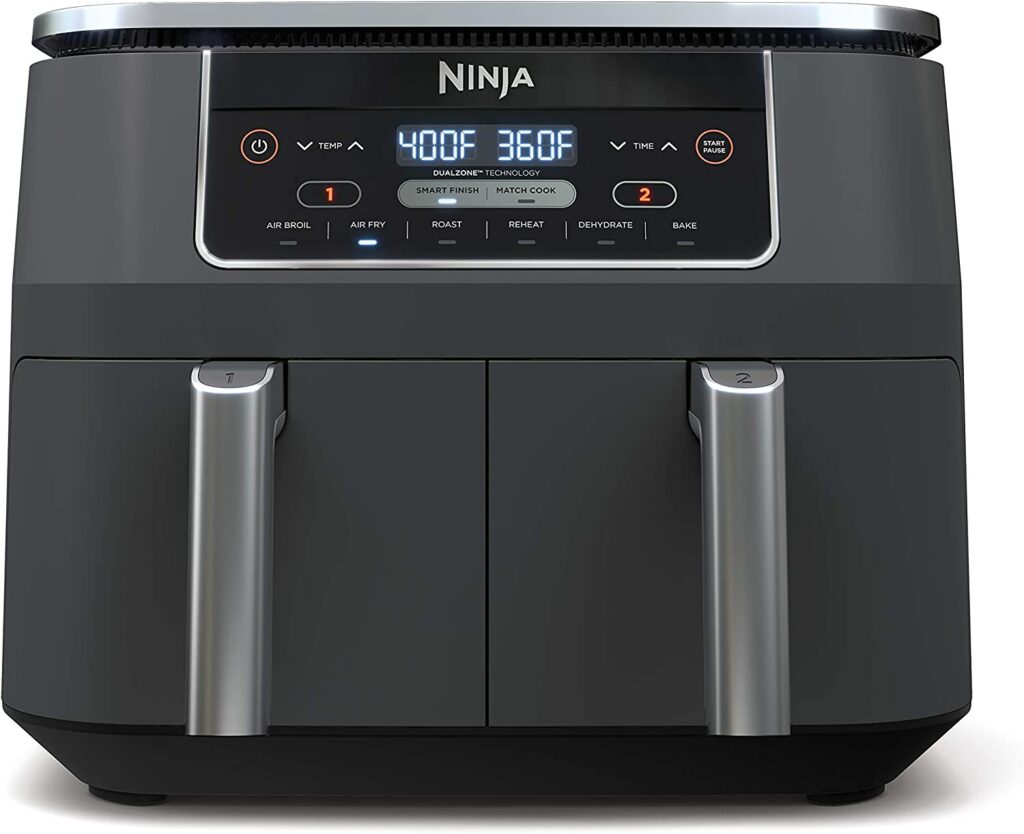
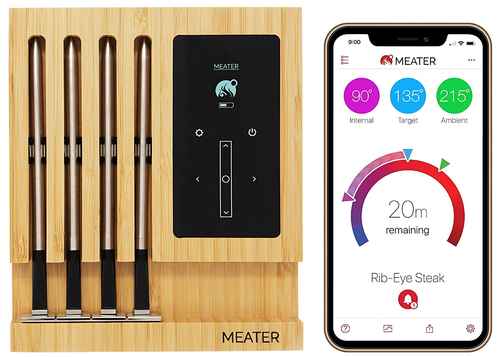
Dehydrating candy in an air fryer is an unconventional but surprisingly effective way to transform your favorite sweets into chewy, crunchy, or intensely flavored treats. Whether you’re experimenting with gummy bears, marshmallows, or other soft candies, the process allows for a unique culinary twist. Unlike traditional baking or stovetop methods, the air fryer provides rapid, even heat circulation, ensuring that candy loses moisture uniformly without burning. This method can intensify flavors, create a more satisfying texture, and even prolong shelf life for candies you want to preserve. However, like any precise culinary technique, understanding the correct temperatures, timing, and methods is crucial to avoid sticky messes or scorched sugar.
Optimal Air Fryer Temperature To Dehydrate Candy In Air Fryer
The key to successful candy dehydration lies in controlling heat. Most candies contain sugar and water, and sugar can quickly caramelize or burn if exposed to excessively high temperatures. For an air fryer, the optimal range for dehydrating candy is 120°F to 140°F (49°C to 60°C).
- Lower temperatures (around 120°F) allow the candy to lose moisture slowly, preventing scorching and preserving delicate flavors.
- Mid-range temperatures (130°F) are ideal for balancing dehydration speed and texture.
- Higher temperatures (approaching 140°F) can speed up the process but require close monitoring to prevent melting or browning.
Air fryers vary in heat consistency, so using a lower setting initially and adjusting as you observe the candy’s response is often the safest approach.
How Long To Dehydrate Candy In Air Fryer
Dehydration time depends on candy type, size, and thickness. Here’s a general guide:
- Gummy candies: 2-4 hours
- Marshmallows: 1.5-3 hours
- Soft taffy or caramels: 3-5 hours
- Fruit-flavored chews: 2-4 hours
It’s crucial to check periodically, as some air fryers dehydrate faster due to stronger air circulation. Thinner pieces naturally dry faster, while thicker or denser candies require longer cycles. Patience is key; rushing the process risks melting or uneven dehydration.
How To Tell If It Is Done
Unlike meats or fruits, candies don’t change color dramatically when dehydrated, so texture and moisture are your primary indicators:
- Gummies should feel firm but still slightly pliable. They shouldn’t be sticky or soft in the center.
- Marshmallows will become dry and slightly crumbly on the outside while remaining a bit chewy inside.
- Taffy and caramels should no longer feel tacky, and when pressed lightly, they should hold shape without sticking.
A simple test: press lightly between fingers-if any moisture or stickiness remains, continue dehydrating in short intervals of 15-30 minutes.
Ingredients Needed
Dehydrating candy is straightforward because most candies are already pre-prepared; however, certain additions can enhance the process or prevent sticking:
- Candy of choice (gummies, marshmallows, taffy, or chews)
- Non-stick spray or parchment paper (optional, to prevent sticking)
- Cornstarch or powdered sugar (optional, for dusting sticky candies)
No water or extra ingredients are required, as the goal is to remove moisture, not cook or dissolve sugar.
How To Dehydrate Candy In Air Fryer
- Preparation: Cut candies into uniform sizes for consistent dehydration. Line the air fryer basket with parchment paper if needed.
- Temperature Setting: Set the air fryer to 130°F (or the lower end if concerned about melting).
- Air Flow: Arrange candies in a single layer to allow airflow around each piece. Overlapping can cause uneven drying.
- Timing: Start with 2 hours for smaller candies, checking every 30 minutes. Larger pieces may require 3-5 hours.
- Monitoring: Shake the basket or rotate pieces every hour to ensure even drying.
- Cooling: Allow dehydrated candy to cool before storing. They will firm up slightly as they reach room temperature.
What If I Use A Different Air Fryer Temperature?
Raising the temperature above 140°F can quickly cause sugar to melt and stick, ruining texture. Lowering below 120°F will slow the dehydration significantly and may not achieve a chewy or dry consistency. Minor adjustments (+/- 5°F) can be tolerated, but larger deviations require careful monitoring and may necessitate altering cooking time to avoid under- or over-drying.
What If I Use A Different Air Fryer Cooking Time?
Altering the time directly impacts moisture content:
- Shorter times: Candies may remain too soft, sticky, or partially hydrated.
- Longer times: Risk of brittleness, excessive hardening, or caramelization.
When adjusting times, check candies every 15-30 minutes past the recommended minimum to prevent unintended results.
When Things Go Wrong
Even with careful planning, issues can arise:
- Candy melts together: Likely temperature was too high or pieces were too close. Separate pieces and try again at lower heat.
- Uneven dehydration: Rotate or shake the basket more frequently; ensure pieces are uniform in size.
- Brittle or burnt candy: Temperature too high or cooking time too long. Scrape off any burnt bits, lower heat, and monitor more closely in future batches.
Learning from small mistakes is part of mastering candy dehydration in an air fryer.
Expert Tips
- Uniform size matters: Cutting candy evenly ensures consistent dehydration.
- Use parchment paper: Prevents sticking and makes cleanup easier.
- Check early and often: Especially the first time you try a new candy type.
- Cool completely before storage: Residual heat can cause moisture to return, undoing your efforts.
- Store in airtight containers: Keeps candies chewy or crunchy as desired and prevents moisture absorption.
FAQs
Can You Dehydrate Candy In An Air Fryer?
Yes. Many air fryers include a dehydrate setting that uses low, consistent heat and circulating air to remove moisture from candy, creating crisp or chewy texture changes without fully melting the candy.
What Temperature Should I Use To Dehydrate Candy In An Air Fryer?
Most candy dehydrates well between 130°F and 150°F. If your air fryer does not allow temperatures that low, choose the lowest available setting and shorten the dehydrating time to avoid melting.
How Long Does It Take To Dehydrate Candy In An Air Fryer?
The time varies by candy type and air fryer model. Gummy candies may take 2 to 4 hours, while hard candies can complete in 1 to 2 hours. Check periodically and adjust based on texture.
Which Types Of Candy Work Best For Air-fryer Dehydration?
Gummy candies like gummy bears, peach rings, and worms work particularly well because the heat removes moisture and causes expansion. Hard candies can be dehydrated for unique textures but require careful temperature control.
Do I Need To Prep The Candy Before Dehydrating?
Light preparation helps improve results. For gummies, spreading them in a single layer prevents sticking and ensures even airflow. For large gummies, cutting them in half can speed the dehydrating process.
How Do I Prevent Candy From Melting Instead Of Dehydrating?
Use the lowest temperature setting and avoid preheating. Keep candies spaced apart and check them frequently. If your air fryer runs hot, briefly opening the basket can release excess heat.
How Should Dehydrated Candy Be Stored?
After cooling completely, store dehydrated candy in airtight containers to maintain texture. Keep it in a dry environment at room temperature, away from direct sunlight or humidity.