
How To Dehydrate Cranberries In Air Fryer [FULL GUIDE]
Recommended Equipments:
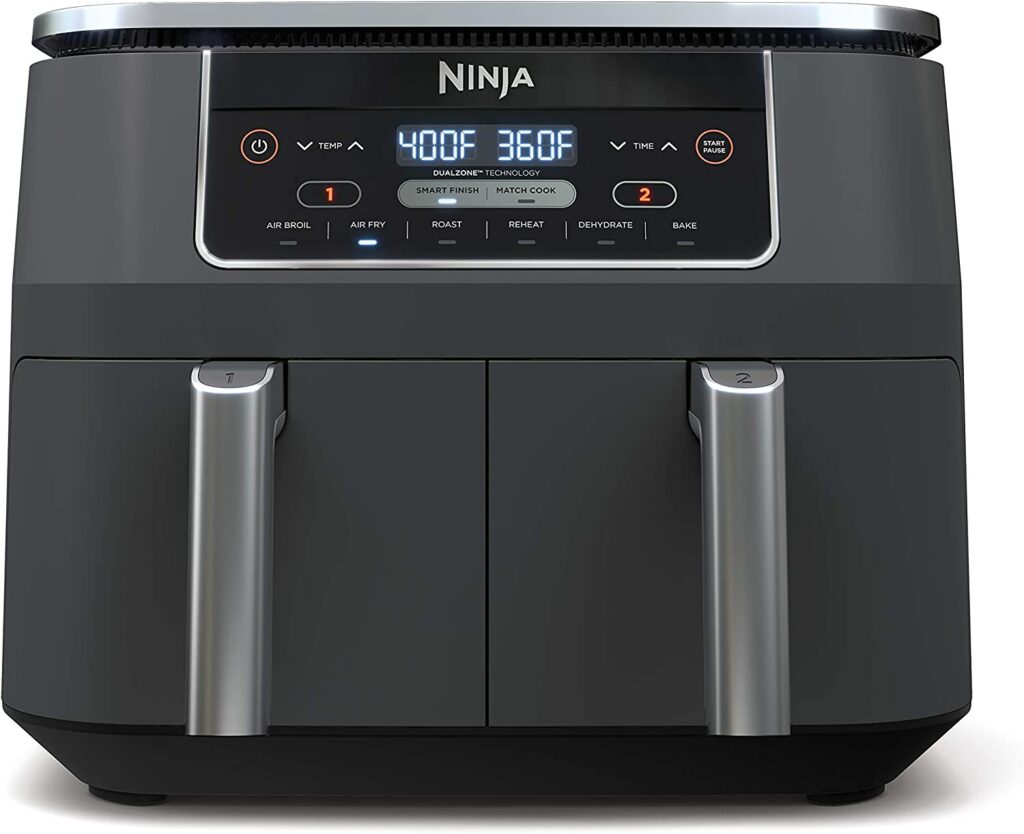
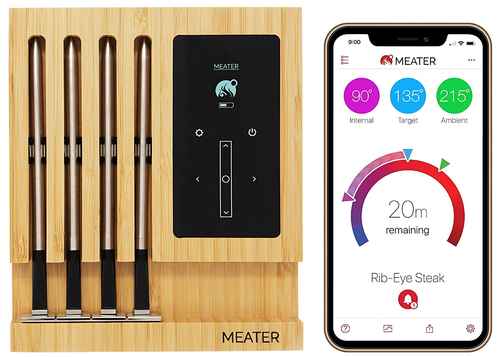
Dehydrating cranberries in an air fryer is an innovative and convenient way to preserve this tart, vibrant fruit while intensifying its natural flavors. Unlike traditional oven or dehydrator methods, using an air fryer provides the advantage of controlled heat circulation, which can result in evenly dried cranberries with minimal fuss. Dehydrated cranberries are perfect for baking, snacking, or adding a burst of flavor to salads and granola. Understanding the optimal temperature, timing, and process is key to achieving cranberries that are chewy yet not burnt, tart yet slightly sweetened, and perfectly shelf-stable for months.
Optimal Air Fryer Temperature To Dehydrate Cranberries In Air Fryer
The ideal temperature for dehydrating cranberries in an air fryer is generally 120-140°F (49-60°C). This low and slow approach ensures that the cranberries lose moisture gradually without scorching or becoming rubbery. Temperatures above 150°F (65°C) may cook the cranberries rather than properly dehydrate them, leading to uneven texture or caramelization. Keeping the temperature steady within this range allows the air fryer’s circulating heat to gently remove moisture while preserving the fruit’s natural color, nutrients, and tart-sweet flavor.
How Long To Dehydrate Cranberries In Air Fryer
Dehydration time can vary depending on the size and moisture content of the cranberries. On average, cranberries take between 6 to 10 hours in an air fryer set at 130°F (54°C). For best results, slice larger cranberries in half to reduce drying time and ensure consistent dehydration. Checking every couple of hours is recommended to prevent over-drying or under-drying, as air fryer models differ in airflow and heating efficiency.
How To Tell If It Is Done
Cranberries are properly dehydrated when they have a chewy, pliable texture with no visible moisture inside. They should not be sticky or soft, nor should they crumble easily. If you cut one in half, the interior should appear dry and slightly shrunken. Fully dehydrated cranberries will be darker in color, with a glossy, wrinkled surface. A good test is to allow them to cool slightly; fully dehydrated cranberries should feel firm but retain a slight chewiness, indicating the right balance between moisture loss and texture.
Ingredients Needed
- Fresh cranberries (1-2 cups is ideal for air fryer batches)
- Optional sweetener: sugar, honey, or maple syrup (if a slightly sweeter dried cranberry is desired)
- Optional water or juice for blanching: helps soften skins and speed dehydration
No additional oils or fats are required, as the goal is pure, naturally dried cranberries.
How To Dehydrate Cranberries In Air Fryer
- Prepare the cranberries: Rinse cranberries thoroughly and remove any stems or blemished berries. For larger berries, slice in half to ensure even drying.
- Optional sweet soak: If using a sweetener, mix cranberries with a light syrup of sugar and water or honey and let them soak for 15-30 minutes, then drain thoroughly.
- Preheat the air fryer: Set to 130°F (54°C) for slow dehydration.
- Arrange the cranberries: Spread in a single layer on the air fryer basket or tray, leaving space between them for airflow.
- Dehydrate slowly: Cook for 6-10 hours, checking every 2 hours to shake or stir the cranberries for even drying.
- Test for doneness: Remove a few cranberries and test their texture as described above.
- Cool and store: Allow to cool completely, then store in airtight containers in a cool, dry place. Properly dried cranberries can last for 6-12 months.
What If I Use A Different Air Fryer Temperature?
Raising the temperature above 140°F (60°C) will speed up drying but risk uneven dehydration and caramelization, potentially leaving some cranberries burnt while others remain moist. Lowering the temperature below 120°F (49°C) will extend drying time significantly, possibly requiring 12-14 hours, but it can yield a more uniformly dried cranberry with minimal nutrient loss. Adjustments should be made cautiously and monitored frequently.
What If I Use A Different Air Fryer Cooking Time?
Shortening the cooking time will likely result in partially dehydrated cranberries that may spoil quickly, as residual moisture can encourage mold growth. Extending cooking time excessively may cause over-dried, brittle cranberries that are unpleasantly tough or hard. The key is to balance time with texture checks every 1-2 hours, adjusting as necessary based on the air fryer’s heat circulation.
When Things Go Wrong
- Cranberries are soggy: Likely under-dehydrated. Increase cooking time or slightly raise the temperature, checking regularly.
- Cranberries are burnt or too hard: The temperature was too high, or drying time was excessive. Reduce temperature and remove overcooked berries.
- Uneven drying: This can occur if berries are piled or not turned periodically. Always spread in a single layer and shake/stir every few hours.
- Sticky surface: May indicate excess sugar from soaking or high temperature causing caramelization. Wash lightly with water before drying or reduce sweetener.
Expert Tips
- Halve the cranberries: Especially large berries; smaller pieces dry more evenly.
- Rotate trays: If your air fryer has multiple layers, rotate trays halfway through drying for consistent airflow.
- Use parchment paper: Prevent sticking and make cleanup easier.
- Cool completely: Residual heat can cause condensation and spoilage in stored cranberries.
- Avoid overcrowding: Proper airflow is crucial for dehydration. Less is more.
- Label your batches: Include date and sweetener usage to track freshness over time.
FAQs
What Type Of Cranberries Are Best For Dehydrating In An Air Fryer?
Fresh, firm cranberries are ideal for air fryer dehydration. Avoid overripe or soft berries, as they can become mushy during the drying process. For added sweetness, you can also use frozen cranberries that have been thawed and blotted dry.
Do I Need To Prepare Cranberries Before Dehydrating Them In An Air Fryer?
Yes, cranberries should be washed thoroughly and any stems removed. Many recipes recommend cutting larger cranberries in half to ensure even drying. Optionally, you can blanch them briefly in boiling water to crack the skins, which allows moisture to escape more efficiently.
What Temperature And Time Should I Use To Dehydrate Cranberries In An Air Fryer?
A typical temperature range is 120°F to 140°F (50°C to 60°C) for low-temperature dehydration. Drying can take 6 to 12 hours depending on the air fryer model and the moisture content of the cranberries. It is best to check periodically for the desired texture-firm but not sticky.
Should I Use The Air Fryer Basket Or Tray When Dehydrating Cranberries?
Using a perforated tray or mesh basket is recommended. This allows air to circulate evenly around the cranberries, preventing uneven drying or burning. Spread the berries in a single layer without overlapping for best results.
Do I Need To Shake Or Stir The Cranberries During Dehydration?
Yes, gently shaking or stirring the cranberries every 1-2 hours ensures even drying and prevents clumping. This is especially important if you are dehydrating a large batch, as cranberries at the bottom may retain more moisture than those on top.
How Do I Know When Cranberries Are Fully Dehydrated In An Air Fryer?
Fully dehydrated cranberries should be firm, slightly leathery, and not sticky to the touch. They should not contain visible moisture inside. If you cut one open and see a moist center, continue drying for additional time.
How Should Dehydrated Cranberries Be Stored After Air Frying?
Once fully dried and cooled, store cranberries in an airtight container in a cool, dry place. For long-term storage, consider vacuum-sealing or refrigerating them. Properly dehydrated cranberries can last up to 6-12 months without significant loss of flavor or texture.