
How To Dehydrate Figs In Air Fryer [FULL GUIDE]
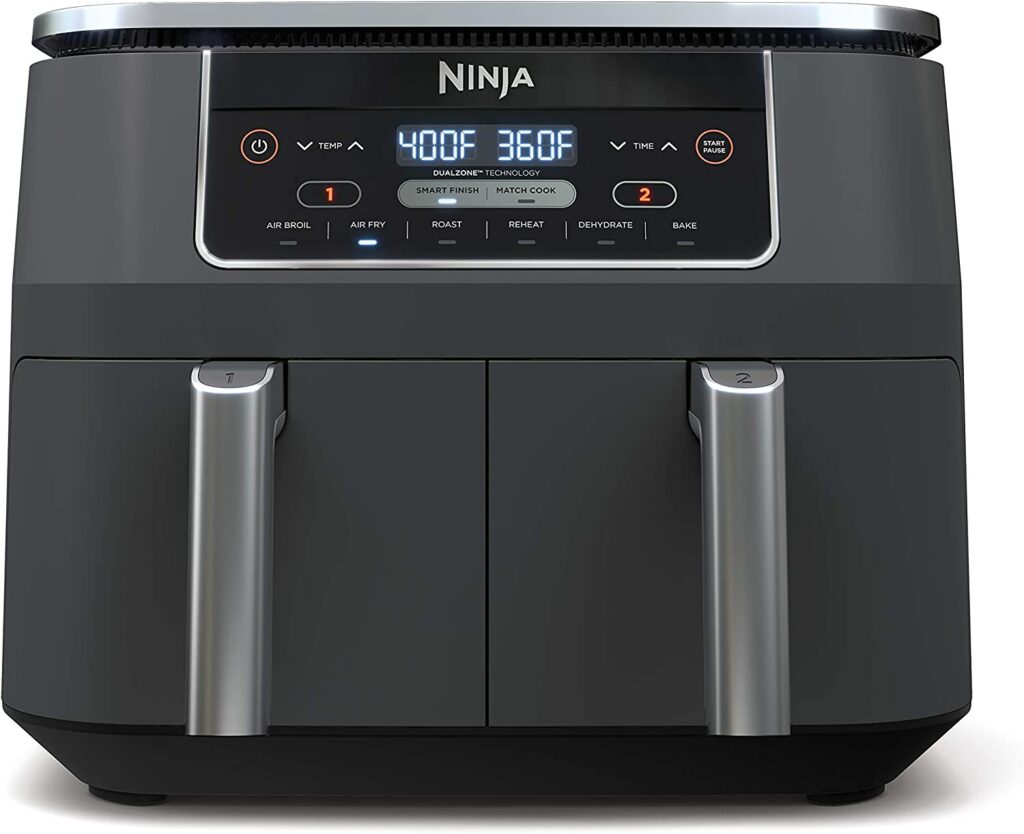
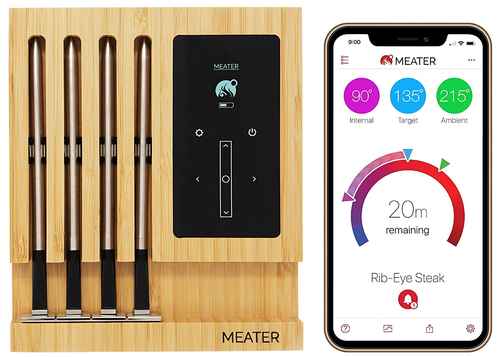
Recommended Equipments:
Figs, with their honeyed sweetness and delicate chew, are one of nature’s most luxurious fruits. Dehydrating figs transforms them into concentrated bursts of flavor, perfect for snacking, baking, or adding to cheese boards. Traditionally, drying figs was a time-consuming process requiring sun, patience, and careful attention. Today, modern kitchen technology, like the air fryer, allows us to achieve perfectly dehydrated figs with remarkable efficiency. Using an air fryer not only shortens the drying time but also provides consistent results, giving you chewy, sweet, and nutrient-rich figs year-round. However, mastering air fryer dehydration requires understanding temperature, timing, and subtle cues of doneness, as figs can go from perfectly chewy to overcooked quickly.
Optimal Air Fryer Temperature To Dehydrate Figs In Air Fryer
The key to dehydrating figs in an air fryer lies in using a low and steady temperature. Air fryers are typically designed for frying, roasting, and baking, so they often operate at higher temperatures than conventional dehydrators. For figs, a temperature between 120°F to 135°F (49°C to 57°C) is ideal.
This low temperature allows the water within the figs to evaporate slowly, preventing caramelization or burning, which can occur at higher temperatures. Going too high can result in figs that are tough and overly sticky, while too low a temperature may extend dehydration time unnecessarily. If your air fryer doesn’t go below 135°F, you can compensate by extending the drying time and checking for doneness more frequently.
How Long To Dehydrate Figs In Air Fryer
Dehydration time depends on fig size, water content, and air fryer airflow, but generally, figs take between 6 to 12 hours to fully dehydrate at the recommended temperature. Smaller figs or figs that are already slightly dried will be on the shorter end of this spectrum, while larger, juicier figs require more time.
It’s important to remember that air fryer baskets vary in airflow efficiency. For even dehydration, arrange figs in a single layer with space between them. Rotating or shaking the basket occasionally helps maintain uniform drying.
How To Tell If It Is Done
Knowing when figs are fully dehydrated requires observation and touch rather than relying solely on time:
- Texture: Properly dehydrated figs should be leathery yet pliable, not brittle. They should yield slightly when pressed but not feel wet or sticky inside.
- Appearance: The skin may darken slightly, and wrinkles will form, but the figs should not appear shriveled beyond recognition.
- Moisture Test: Slice a fig open. If the interior is tacky or moist, it needs more time. Fully dehydrated figs will feel dry and slightly chewy, with concentrated sweetness.
Ingredients Needed
Dehydrating figs is remarkably simple and requires almost no ingredients beyond the fruit itself. Optional additions can enhance flavor or preservation:
- Fresh figs (ripe but firm)
- Lemon juice (optional, to prevent browning)
- Honey or sugar (optional, for added sweetness or glaze)
That’s it! Figs naturally contain sugars and don’t require additional sweetening to dehydrate successfully.
How To Dehydrate Figs In Air Fryer
- Prepare the Figs: Wash figs thoroughly and pat dry. Remove stems and slice figs in half lengthwise for quicker dehydration or leave whole for a chewier texture.
- Optional Pre-treatment: Lightly brush figs with lemon juice to preserve color.
- Arrange in Basket: Place figs in a single layer in your air fryer basket, leaving space between each fruit for airflow.
- Set Temperature: Preheat the air fryer to 120-135°F (49-57°C).
- Dehydrate: Cook for 6-12 hours, checking periodically. Flip or rotate figs every 2-3 hours to ensure even drying.
- Check Doneness: Follow the tactile and visual cues mentioned above.
- Cool and Store: Let figs cool completely before storing in airtight containers. They can be kept at room temperature for a few weeks or refrigerated for longer shelf life.
What If I Use A Different Air Fryer Temperature?
Adjusting the temperature can have a significant effect:
- Higher Temperature: Speeds up dehydration but increases the risk of uneven cooking, caramelization, or burning. Figs may become too hard or develop a bitter taste.
- Lower Temperature: Produces gentle dehydration, preserving flavor and nutrients, but extends cooking time. Patience is required to achieve optimal texture.
Temperature control is more critical than minor adjustments in time. Even a 10-15°F difference can affect texture significantly.
What If I Use A Different Air Fryer Cooking Time?
Dehydration is more about achieving the correct texture than adhering strictly to time:
- Shorter Time: Figs will retain too much moisture and risk mold during storage.
- Longer Time: Figs can become overly tough or leathery.
The best practice is to check figs periodically after the minimum suggested time (around 6 hours) and assess for doneness every 30-60 minutes until you reach the perfect texture.
When Things Go Wrong
Even small mistakes can affect dehydrated figs:
- Sticky or Wet Figs: Usually a sign of insufficient drying. Extend time and ensure air can circulate.
- Burnt or Hard Figs: Result from high temperature or overcooking. Slice figs thinner next time or lower the temperature.
- Uneven Drying: Often caused by overcrowding the basket. Dehydrate in batches if necessary and rotate fruit regularly.
Expert Tips
- Choose figs that are ripe but firm; overly soft figs produce sticky results.
- Cut figs uniformly to ensure even drying.
- Avoid stacking figs; airflow is essential for consistent results.
- Use a thermometer probe if your air fryer doesn’t display precise low temperatures.
- Consider dehydrating in stages: 3-4 hours at a lower temperature, followed by another 2-4 hours if figs are not yet done.
FAQs
Can I Dehydrate Fresh Figs In An Air Fryer?
Yes, fresh figs can be dehydrated in an air fryer. Select ripe but firm figs, wash them thoroughly, pat them dry, and optionally slice them for faster and more even drying. Dehydrating whole figs will take longer and may require adjusting the air fryer temperature and time.
What Temperature Should I Use To Dehydrate Figs In An Air Fryer?
Set the air fryer to a low temperature, typically between 120°F to 140°F (50°C to 60°C). This slow, low-heat process helps preserve the natural sugars, flavor, and nutrients of the figs without cooking them.
How Long Does It Take To Dehydrate Figs In An Air Fryer?
The dehydration time varies depending on the size and moisture content of the figs. Sliced figs usually take 6 to 8 hours, while whole figs can take 10 to 12 hours. Check periodically and rotate trays if your air fryer does not circulate air evenly.
Should I Slice The Figs Before Dehydrating Them In An Air Fryer?
Slicing figs is recommended because it reduces dehydration time and ensures even drying. Cut figs into halves or quarters depending on size. Whole figs can be dehydrated, but it takes longer and may result in uneven moisture levels.
Do I Need To Use Any Oil Or Coating On Figs Before Dehydrating?
No oil or coating is necessary when dehydrating figs. Simply wash, dry, and optionally slice them. Using oil can interfere with dehydration and may cause uneven drying or a sticky texture.
How Do I Know When The Figs Are Fully Dehydrated?
Fully dehydrated figs should feel leathery and pliable, not sticky or moist. When pressed, they should not release water. Over-dried figs become brittle, so aim for a balance where they are soft but not wet.
How Should I Store Dehydrated Figs From An Air Fryer?
Store dehydrated figs in an airtight container in a cool, dark place. For long-term storage, refrigeration or freezing is recommended to maintain freshness and prevent mold growth. Properly dried figs can last several months at room temperature.