
How To Dehydrate Ginger In Air Fryer [FULL GUIDE]
Recommended Equipments:
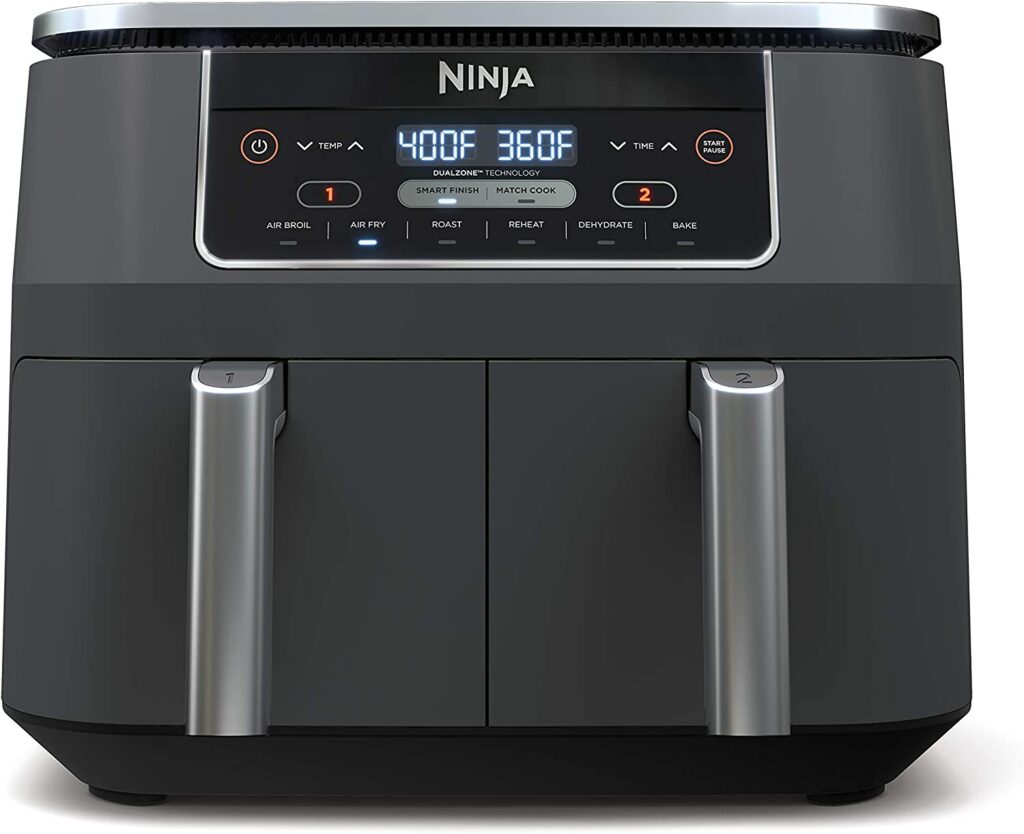
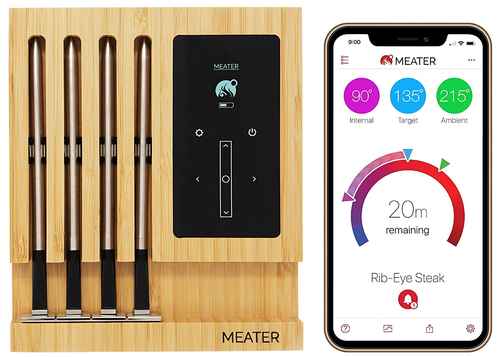
Ginger, with its pungent, aromatic, and slightly sweet flavor, has long been cherished not only as a culinary ingredient but also as a medicinal powerhouse. Its health benefits range from aiding digestion to reducing inflammation and providing natural relief from nausea. While fresh ginger is versatile, dehydrated ginger offers extended shelf life, intensified flavor, and ease of use in teas, spice blends, and cooking. Traditionally, dehydration involved low-heat ovens or sun-drying, but with the advent of air fryers, this process has become faster, more efficient, and surprisingly convenient. Air fryers circulate hot air evenly, making them perfect for drying ginger while retaining its aroma and potency. In this guide, we will explore the precise methods, temperatures, timings, and troubleshooting strategies to ensure perfectly dehydrated ginger every time.
Optimal Air Fryer Temperature To Dehydrate Ginger In Air Fryer
The temperature is crucial when dehydrating ginger. Too high, and you risk burning the delicate fibers; too low, and the process becomes frustratingly long. For most air fryers, the ideal temperature range to dehydrate ginger slices is 120°F to 140°F (50°C to 60°C).
At this temperature, the air fryer removes moisture gradually without cooking the ginger, allowing it to retain its natural flavor and pungency. Some air fryers have minimum settings higher than 140°F; in such cases, using the lowest possible setting is essential, with careful monitoring to prevent scorching. Temperature control ensures that your ginger dries uniformly, avoiding soggy centers or overly crisp edges.
How Long To Dehydrate Ginger In Air Fryer
The dehydration time depends on the thickness of your ginger slices, the moisture content of the root, and the efficiency of your air fryer. Typically:
- Thin slices (1-2 mm): 1.5 to 2 hours
- Medium slices (2-3 mm): 2 to 2.5 hours
- Thicker slices (3-5 mm): 2.5 to 3 hours
It’s important to flip the slices halfway through the process for uniform drying. Air fryers differ in airflow strength, so use the suggested times as a guideline rather than a strict rule.
How To Tell If It Is Done
Properly dehydrated ginger is neither leathery nor soft but rather crisp and brittle. To test:
- Break a slice in half-if it snaps easily without bending, it’s fully dehydrated.
- Check for any remaining moisture; if the slice feels slightly damp or pliable, continue drying.
- Allow the ginger to cool before storing-it will harden further as it cools, so don’t overestimate doneness mid-process.
Ingredients Needed
Dehydrating ginger is simple and requires minimal ingredients:
- Fresh ginger root (as much as you like)
- Optional: a few drops of lemon juice to prevent oxidation (ginger can slightly darken during drying)
No oils, sugars, or preservatives are needed; dehydration preserves the ginger naturally.
How To Dehydrate Ginger In Air Fryer
- Prepare the Ginger: Wash, peel, and slice ginger into uniform pieces (1-3 mm thick). Thinner slices dehydrate faster.
- Preheat the Air Fryer: Set to 120°F-140°F (50°C-60°C).
- Arrange the Slices: Place slices in a single layer in the air fryer basket or tray, ensuring they don’t overlap.
- Dehydrate: Run the air fryer for the recommended time, flipping slices halfway for uniform drying.
- Test for Doneness: Check crispness using the snap test.
- Cool and Store: Once fully dehydrated, let ginger cool completely. Store in an airtight container in a cool, dry place. Properly dehydrated ginger can last up to a year.
What If I Use A Different Air Fryer Temperature?
- Lower temperature (below 120°F): Drying will take longer and may be uneven. Monitor slices closely, as prolonged drying can sometimes allow microbial growth if the environment is too humid.
- Higher temperature (above 150°F): Ginger may cook rather than dehydrate, causing browning, bitterness, or uneven texture. Thin slices may burn quickly.
Temperature consistency is more important than speed for achieving optimal texture and flavor.
What If I Use A Different Air Fryer Cooking Time?
- Shorter time: Ginger may retain moisture, leading to a leathery texture prone to mold if stored.
- Longer time: Over-drying can occur, producing extremely brittle, almost powdery slices, or in extreme cases, slight burning.
Always check ginger periodically during the dehydration process rather than relying strictly on preset times.
When Things Go Wrong
Even with care, dehydration can sometimes go awry:
- Uneven drying: Caused by overlapping slices or inconsistent air circulation. Solution: Dry in batches and flip slices midway.
- Ginger burns or darkens: Temperature was too high or slices were too thin. Reduce temperature and monitor closely.
- Mold develops: Ginger was not fully dehydrated or stored while warm. Ensure full dehydration and allow cooling before airtight storage.
Expert Tips
- Uniform slicing: Use a mandoline slicer for consistent thickness, which ensures even drying.
- Batch drying: Avoid overcrowding the air fryer; moisture needs room to escape.
- Cooling: Let ginger cool on a wire rack before sealing containers-trapped heat can create condensation.
- Optional flash-freeze: Freeze slices for a few hours before storage to prevent any residual moisture issues.
- Powdering: Fully dehydrated ginger can be ground into a fine powder with a spice grinder for teas, cooking, or spice blends.
FAQs
What Type Of Ginger Is Best For Dehydrating In An Air Fryer?
Fresh, firm ginger roots with smooth skin are ideal for dehydrating. Avoid ginger that is soft, shriveled, or moldy, as it will not dry evenly and may spoil during storage.
How Should I Prepare Ginger Before Dehydrating In An Air Fryer?
Start by washing and peeling the ginger. Then, slice it thinly and uniformly, ideally 1-2 mm thick, to ensure even drying. Thinner slices will dehydrate faster and more consistently.
What Air Fryer Temperature Is Recommended For Dehydrating Ginger?
Set the air fryer to a low temperature, typically between 120°F and 140°F (50°C-60°C). Higher temperatures may cook the ginger instead of dehydrating it, affecting flavor and texture.
How Long Does It Take To Dehydrate Ginger In An Air Fryer?
The dehydration process usually takes 2-4 hours depending on the thickness of the slices, the moisture content of the ginger, and the specific air fryer model. Check periodically for crispness.
Do I Need To Use Any Oil Or Seasoning Before Dehydrating Ginger?
No oil or seasoning is required for basic dehydration. Adding oil may prevent proper drying. Seasoning can be added after the ginger is fully dehydrated if desired.
How Can I Tell When The Ginger Is Fully Dehydrated?
Fully dehydrated ginger should be dry, brittle, and break easily when bent. It should have no soft or moist areas. Incomplete drying may lead to mold or spoilage during storage.
How Should Dehydrated Ginger Be Stored For Long-term Use?
Store dehydrated ginger in an airtight container in a cool, dry place away from sunlight. Properly dried ginger can last up to 6-12 months. Optionally, vacuum sealing can extend shelf life further.