
How To Dehydrate Peppers In Air Fryer [FULL GUIDE]
Recommended Equipments:
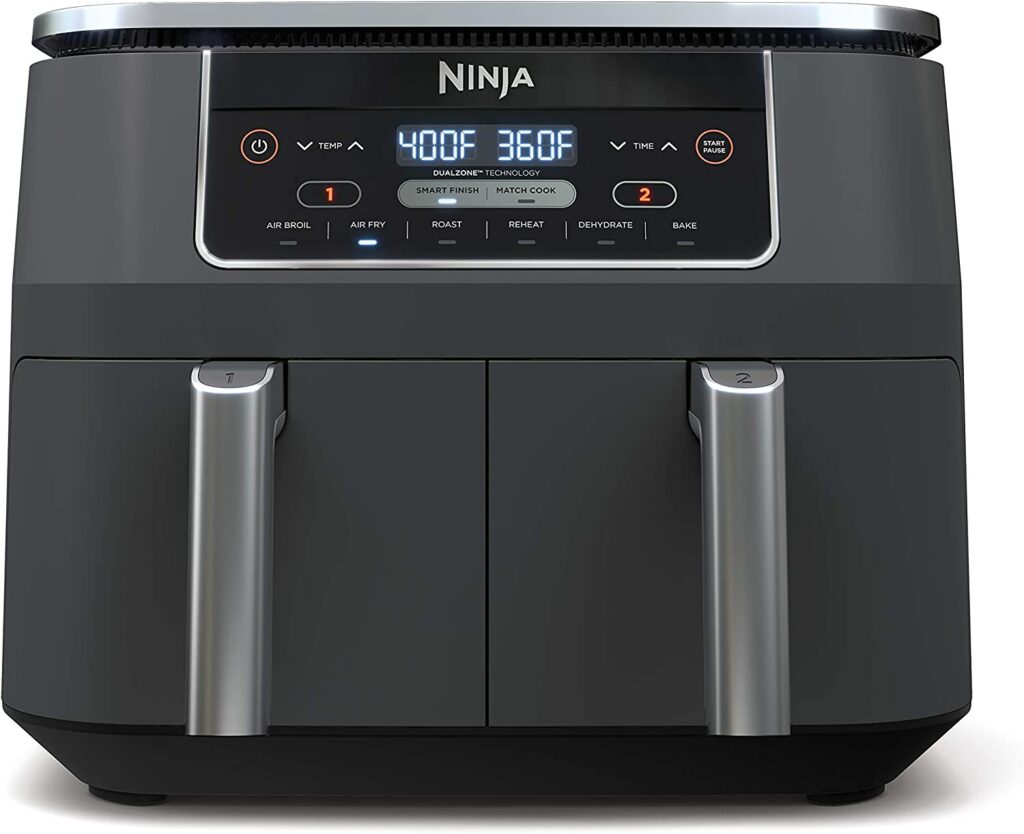
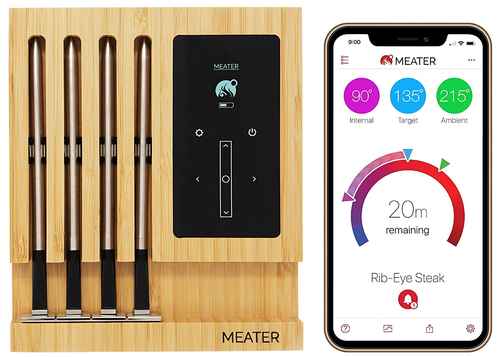
Dehydrating peppers in an air fryer is an innovative way to preserve their vibrant flavor, enhance their shelf life, and create a versatile ingredient for cooking. Unlike traditional oven or sun-drying methods, air frying peppers combines speed with efficiency while retaining essential oils and nutrients. This method is perfect for hot chili peppers, bell peppers, or any variety you want to store for later use. The process not only intensifies the peppers’ flavors but also gives them a unique texture suitable for seasoning, powders, or even snacking. Understanding the nuances of temperature, time, and preparation is crucial to achieving perfect dehydration without compromising taste or quality.
Optimal Air Fryer Temperature To Dehydrate Peppers In Air Fryer
Temperature control is key when dehydrating peppers. Air fryers, though designed primarily for frying, function well as dehydrators when set to lower temperatures. The optimal temperature range for dehydrating peppers is 120°F to 140°F (49°C to 60°C). This temperature range is low enough to gently remove moisture without cooking the peppers, which could alter their flavor or cause them to become rubbery.
Setting the temperature too high risks burning the outer layer while leaving the inside partially moist. Conversely, temperatures too low may result in uneven dehydration or prolonged drying times, increasing the risk of bacterial growth. Precision is essential; some air fryers may fluctuate slightly in temperature, so monitoring is recommended.
How Long To Dehydrate Peppers In Air Fryer
The dehydration time depends on the pepper variety, size, thickness, and moisture content. On average:
- Thin chili peppers: 4-6 hours
- Bell peppers: 6-10 hours
- Medium-sized or thick peppers: 8-12 hours
It’s important to note that dehydration is not a rapid process. Checking periodically is crucial because smaller or thinner peppers will dry faster than larger or thicker ones. Rotating the basket or tray every couple of hours ensures even drying.
How To Tell If It Is Done
Properly dehydrated peppers should be crisp and brittle, breaking easily when bent. There should be no remaining moisture inside the flesh; any softness indicates incomplete drying. Fully dehydrated peppers will feel lightweight and significantly reduced in size. For thicker peppers, you can cut one open to check if the interior is completely dry. If any pliable spots remain, the peppers need more time.
Ingredients Needed
Dehydrating peppers is straightforward and requires minimal ingredients:
- Fresh peppers of your choice (bell peppers, jalapeños, habaneros, or chili peppers)
- Optional: salt or spices for seasoning (only if desired after dehydration)
No oils or liquids are needed, as the goal is to remove moisture.
How To Dehydrate Peppers In Air Fryer
- Prepare the peppers: Wash thoroughly and dry with a paper towel. Remove stems, seeds, and membranes if desired. Cut peppers into uniform slices to ensure even drying.
- Preheat the air fryer: Set it to 130°F (55°C) for optimal dehydration.
- Arrange peppers: Place slices in a single layer in the air fryer basket or tray. Avoid overlapping to allow proper airflow.
- Dehydrate: Run the air fryer for 4-12 hours, depending on the pepper type and thickness. Check periodically, rotating trays if needed.
- Test for dryness: Bend a slice; it should snap easily without feeling moist.
- Store: Once completely dry, store peppers in airtight containers away from sunlight to maintain flavor and longevity.
What If I Use A Different Air Fryer Temperature?
Using a temperature higher than 140°F may cook rather than dehydrate the peppers, leading to uneven dryness and loss of flavor. Lower temperatures may require excessive time, which can allow mold or bacterial growth. The key is to balance a temperature that is hot enough to remove moisture but low enough to prevent cooking.
What If I Use A Different Air Fryer Cooking Time?
Shorter cooking times may leave moisture inside, making peppers susceptible to spoilage. Excessively long times at the correct temperature can result in brittle, overly dry peppers that may lose aroma or flavor intensity. Dehydration requires patience; checking periodically is essential for timing adjustments based on pepper type and size.
When Things Go Wrong
- Peppers are still moist after recommended time: Increase the duration and ensure slices are uniform in size.
- Peppers burnt or overly crisp: Lower the temperature next time and check earlier.
- Uneven drying: Avoid overcrowding the basket and rotate trays regularly to maintain airflow.
- Off smells or mold: This indicates improper drying or storage; discard affected peppers.
Expert Tips
- Slice uniformly: Ensures even dehydration.
- Rotate trays: Helps prevent hotspots and uneven drying.
- Use a fan or airflow: If your air fryer has uneven circulation, pause and rearrange slices periodically.
- Storage: Keep dehydrated peppers in airtight containers with oxygen absorbers for longer shelf life.
- Rehydration: Soak dried peppers in warm water for 20-30 minutes before using in sauces or soups.
FAQs
Can All Types Of Peppers Be Dehydrated In An Air Fryer?
Most types of peppers, including bell peppers, jalapeños, and chili peppers, can be dehydrated in an air fryer. However, thicker peppers like bell peppers may require longer dehydration times compared to thinner varieties such as chili peppers. Ensure they are sliced uniformly for even drying.
Do I Need To Peel Peppers Before Dehydrating Them In An Air Fryer?
Peeling peppers is generally not necessary when using an air fryer, as the skin dries along with the flesh. Some users prefer to remove seeds and membranes to reduce bitterness and improve storage longevity, but it is optional.
What Is The Recommended Temperature And Time For Dehydrating Peppers In An Air Fryer?
Set your air fryer to a low temperature, typically between 125°F and 140°F (50°C-60°C), and dehydrate for 6 to 12 hours depending on the pepper’s thickness and water content. Thinner slices may dry faster, while thicker slices require more time.
How Should Peppers Be Prepared Before Placing Them In The Air Fryer?
Wash the peppers thoroughly, remove stems, seeds, and membranes if desired, and slice them evenly, ideally around 1/4 inch thick. This uniformity ensures consistent dehydration and prevents some pieces from remaining moist.
How Can I Tell When Peppers Are Fully Dehydrated In An Air Fryer?
Fully dehydrated peppers should be brittle or leathery to the touch, with no visible moisture. Thicker peppers may still feel slightly pliable inside but should break easily when bent. Any remaining moisture can lead to spoilage during storage.
What Is The Best Way To Store Air-fried Dehydrated Peppers?
Store dehydrated peppers in airtight containers or vacuum-sealed bags in a cool, dark, and dry environment. For long-term storage, keeping them in the freezer or refrigerator can help preserve color, flavor, and potency.
Can Dehydrated Peppers From An Air Fryer Be Rehydrated For Cooking?
Yes, dehydrated peppers can be rehydrated by soaking them in warm water for 15-30 minutes before use. They can also be ground into powder for seasoning or used directly in recipes where moisture absorption occurs during cooking.