How To Make Beef Jerky In Ninja Foodi Air Fryer [FULL GUIDE]
Recommended Equipments:
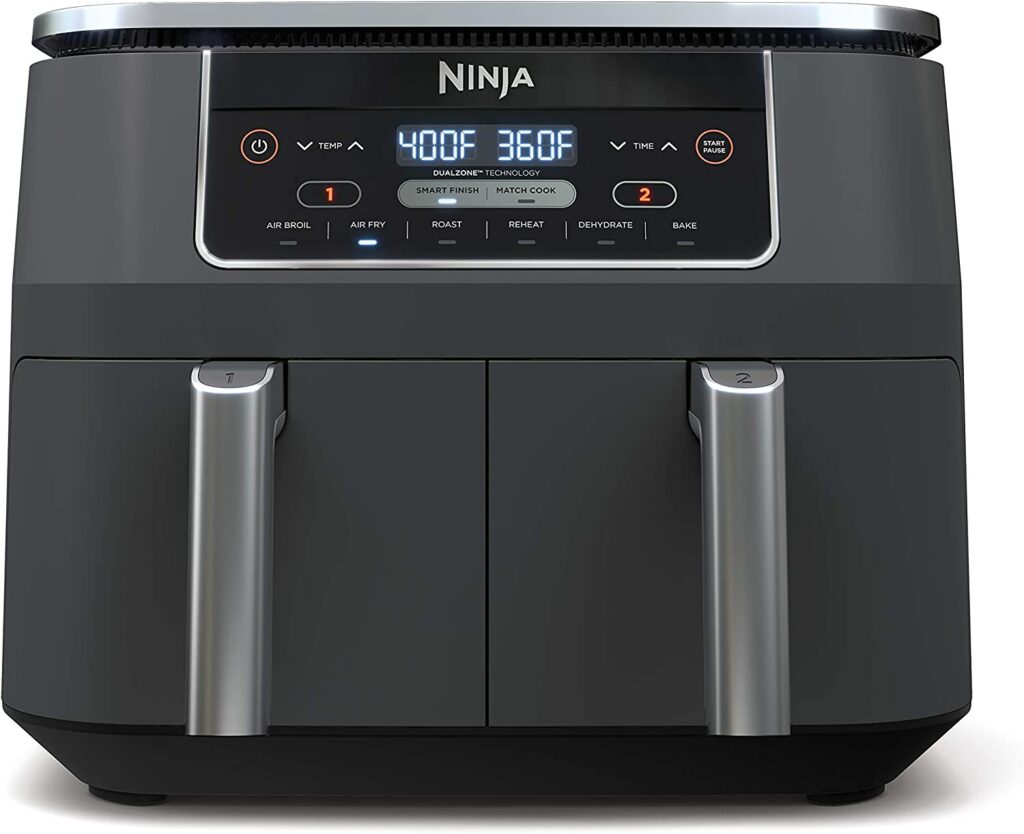
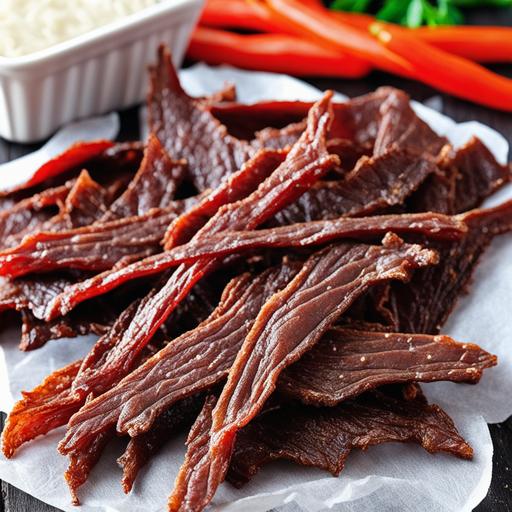
Beef jerky is a timeless snack-savory, chewy, and packed with protein. Its origins trace back to ancient methods of preserving meat, where drying and curing were essential for survival. Today, beef jerky has evolved into a gourmet snack, beloved by hikers, gym enthusiasts, and anyone craving a flavorful, portable treat. Traditionally, making jerky involved slow drying over low heat for hours, often using an oven or a dehydrator. However, modern appliances like the Ninja Foodi Air Fryer have revolutionized the process. With its precise temperature controls, powerful circulation of hot air, and built-in timers, the Ninja Foodi allows you to craft homemade jerky that’s tender, flavorful, and perfectly dehydrated without the guesswork of conventional methods.
This guide dives deep into the process, from understanding the optimal air fryer settings to troubleshooting common issues, ensuring that anyone-from novice cooks to jerky aficionados-can achieve professional-quality results in their own kitchen.
Optimal Air Fryer Temperature To Make Beef Jerky In Ninja Foodi Air Fryer
Temperature is arguably the most critical factor in achieving the perfect jerky. Too high, and the meat can dry unevenly or burn on the edges while remaining undercooked inside; too low, and it may not dehydrate properly, increasing the risk of spoilage.
For the Ninja Foodi Air Fryer, the ideal temperature for beef jerky is 160°F to 175°F (71°C to 79°C). This range ensures the meat slowly loses moisture while cooking evenly, preserving tenderness and flavor. Unlike traditional air frying for foods like fries or chicken wings, jerky requires a low and slow approach. Many Ninja Foodi models have a ’Dehydrate’ function specifically designed for this purpose, which provides consistent airflow and heat at this precise temperature range.
Key considerations:
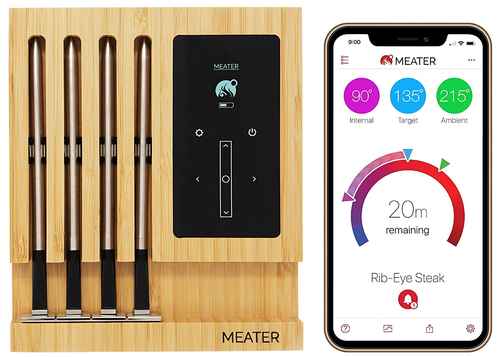
- Use a thermometer to monitor internal temperature if possible.
- Avoid exceeding 180°F; this can cook the exterior too quickly, making jerky tough.
- For leaner cuts, stick closer to 160°F, as lean meat dries faster.
How Long To Make Beef Jerky In Ninja Foodi Air Fryer
Time is just as critical as temperature. In an air fryer, making jerky is a delicate balancing act. On average, beef jerky requires 3 to 5 hours to fully dehydrate in a Ninja Foodi at the optimal temperature.
Factors influencing cooking time include:
- Thickness of slices: Thicker strips (¼ to ½ inch) take longer; thin slices (1/8 inch) dehydrate faster.
- Fat content: Fat slows the drying process and can become rancid if not properly managed.
- Moisture content: Marinated meat with high moisture may require additional time.
Unlike conventional baking, the Ninja Foodi circulates hot air, which slightly speeds up dehydration. Still, patience is key. Checking the jerky periodically after the 3-hour mark ensures you catch it at your preferred level of chewiness.
How To Tell If It Is Done
Determining doneness in beef jerky requires both visual and tactile cues:
- Texture: Proper jerky should be firm but bend without breaking immediately. If it snaps like a cracker, it may be over-dried.
- Color: Jerky should have a darkened exterior with a consistent interior. Variations in color may indicate uneven dehydration.
- Moisture: Press the jerky lightly; it should feel dry on the surface but still retain some moisture inside.
- Bend test: Bend a strip halfway; it should bend and crack slightly but not break apart.
For maximum safety, ensure the internal temperature of the meat reaches at least 160°F, especially for ground beef or fattier cuts, to prevent bacterial contamination.
Ingredients Needed
Crafting delicious jerky is as much about the seasoning as it is about the meat itself. Here’s a simple but flavorful recipe:
Main Ingredients
- 1-2 pounds of lean beef (top round, sirloin, or flank steak)
- ¼ cup soy sauce
- 2 tablespoons Worcestershire sauce
- 1 tablespoon brown sugar or honey
- 1 teaspoon smoked paprika
- 1 teaspoon garlic powder
- 1 teaspoon onion powder
- ½ teaspoon black pepper
- Optional: red pepper flakes for heat
Tips For Ingredients
- Choose lean cuts with minimal marbling for even drying.
- Marinate for at least 4-6 hours, or overnight, for maximum flavor penetration.
- Pat meat dry before air frying to reduce excess moisture on the surface.
How To Make Beef Jerky In Ninja Foodi Air Fryer
- Prepare the meat: Slice beef against the grain into ¼-inch thick strips for tenderness.
- Marinate: Combine soy sauce, Worcestershire sauce, spices, and sugar. Coat beef strips thoroughly and refrigerate for 4-12 hours.
- Preheat the Ninja Foodi: Use the ’Dehydrate’ function or set temperature to 160-175°F.
- Arrange strips: Lay marinated beef strips in a single layer on the air fryer basket or rack, leaving space for air circulation.
- Dehydrate: Cook for 3-5 hours, checking periodically after 3 hours. Flip or rotate strips halfway through for even drying.
- Check doneness: Use texture and bend tests to confirm readiness.
- Cool and store: Allow jerky to cool completely before storing in an airtight container. Properly dried jerky can last 1-2 months refrigerated or 1-2 weeks at room temperature.
What If I Use A Different Air Fryer Temperature?
Changing the temperature affects both texture and safety:
- Lower than 160°F: Slower dehydration; may result in softer, chewier jerky but increases risk of bacterial growth if undercooked.
- Higher than 175°F: Faster drying; meat may become tough or brittle, and edges can burn.
If you must adjust the temperature, compensate with cooking time, but err on the side of lower heat for safety.
What If I Use A Different Air Fryer Cooking Time?
Time adjustments also influence texture and moisture:
- Shorter time: Jerky may be under-dried, soft, and prone to spoilage.
- Longer time: Jerky becomes hard, brittle, or overly chewy.
Always combine time adjustments with texture checks to prevent over- or under-cooking.
When Things Go Wrong
Common issues and fixes:
- Jerky is too dry: Lower temperature next time and reduce time slightly; slice thicker meat.
- Jerky is still moist after full time: Increase cooking time and check slice thickness.
- Uneven drying: Flip or rotate strips; avoid overlapping pieces.
- Bitter or burnt flavor: Sugar or marinades can burn; use lower temperatures or reduce sugar.
Expert Tips
- Freeze meat slightly before slicing for thinner, even cuts.
- Use a paper towel to pat strips dry after marinating for faster dehydration.
- Store in vacuum-sealed bags for longer shelf life.
- Experiment with spices like smoked paprika, chili powder, or liquid smoke for varied flavors.
- Check the jerky every 30 minutes after 3 hours to avoid over-drying.
FAQs
What Type Of Beef Is Best For Making Jerky In A Ninja Foodi Air Fryer?
The best cuts for beef jerky are lean cuts with minimal fat, such as top round, eye of round, sirloin tip, or flank steak. Fat can cause the jerky to spoil faster and may result in uneven drying. Trim off any visible fat before marinating and cooking.
How Should I Prepare The Beef Before Air Frying?
Start by partially freezing the beef for 1-2 hours to make slicing easier. Slice the meat against the grain into thin strips about 1/8 to 1/4 inch thick. Then, marinate the strips in your choice of seasoning or jerky marinade for at least 4-6 hours, or overnight for maximum flavor.
What Temperature And Cooking Time Should I Use In The Ninja Foodi Air Fryer?
Set the Ninja Foodi air fryer to 160°F (71°C) for optimal dehydration. Cook the beef jerky for 2 to 4 hours, depending on the thickness of the slices. Flip the strips halfway through the cooking process to ensure even drying. The jerky is done when it is dry to the touch but still slightly pliable.
Can I Use The Dehydrator Function Instead Of The Air Fryer Function?
Yes. If your Ninja Foodi has a dehydrator function, it is ideal for making jerky because it maintains a consistent low temperature for slow drying. Use the dehydrator at 160°F (71°C) for 4-6 hours, checking periodically for desired dryness.
How Do I Store Homemade Beef Jerky Made In The Ninja Foodi?
Once fully cooled, store beef jerky in an airtight container or resealable bag. For short-term storage, keep it at room temperature for up to 2 weeks. For longer storage, refrigerate for up to 3 months or freeze for up to 6 months to maintain freshness and prevent spoilage.
How Can I Tell If My Beef Jerky Is Done Without Overcooking?
Properly cooked jerky should bend and crack but not snap. It should feel dry to the touch but remain slightly pliable in the center. If it is too soft or moist, return it to the air fryer for additional time, checking every 15-20 minutes.
Are There Any Safety Tips To Keep In Mind When Making Beef Jerky In The Ninja Foodi?
Always use lean meat and keep the air fryer or dehydrator at a safe temperature of at least 160°F (71°C) to prevent bacterial growth. Avoid overcrowding the air fryer basket to allow proper airflow. Use clean utensils and surfaces to prevent cross-contamination, and marinate meat in the refrigerator rather than at room temperature.