
How To Make Chicken Livers And Onions In Air Fryer [FULL GUIDE]
Recommended Equipments:
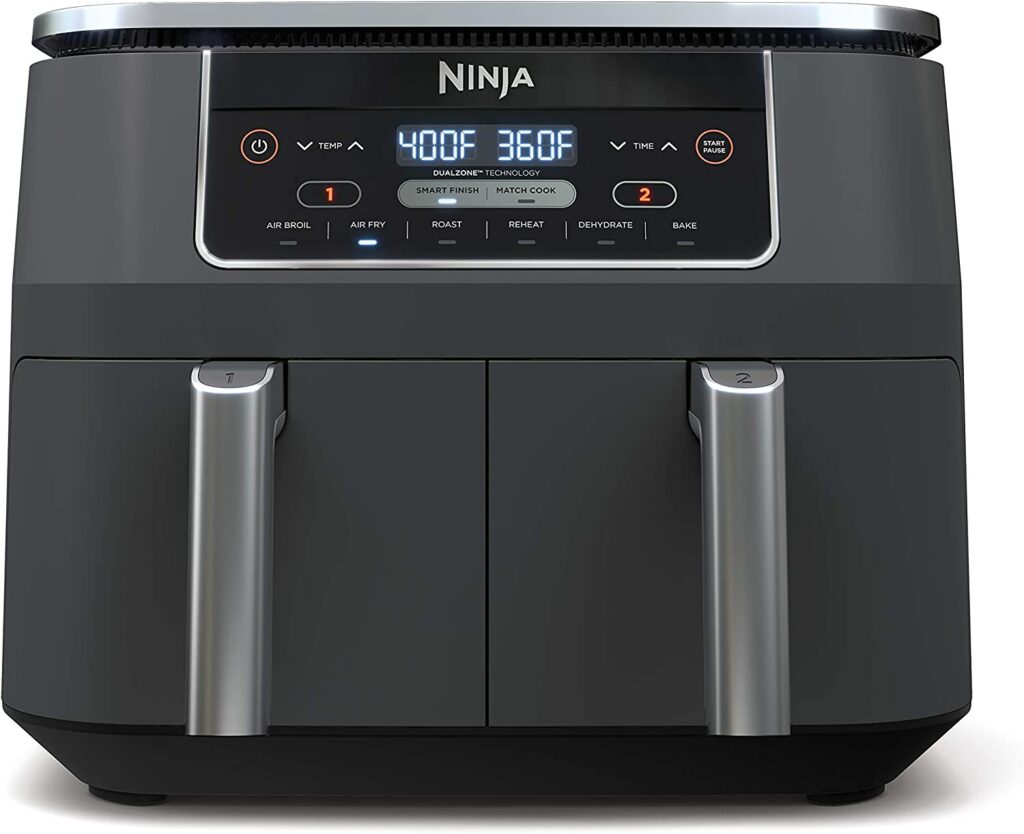
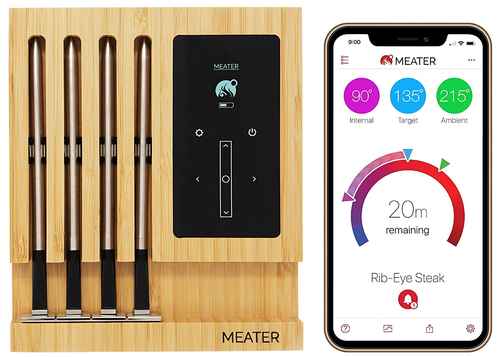
Chicken livers and onions are a classic dish celebrated for their rich, savory flavor and creamy texture. Traditionally prepared on the stovetop, this dish has now found a new, convenient life in the air fryer. Using an air fryer not only reduces the amount of oil needed but also enhances the natural flavors of the chicken livers while giving the onions a perfect caramelized sweetness. Cooking chicken livers in an air fryer allows for a delicate balance between a slightly crisp exterior and a tender, juicy interior. However, the process requires precision, as livers can quickly become overcooked and rubbery if mishandled. This guide delves into everything you need to know to master chicken livers and onions in your air fryer, from ideal temperatures to troubleshooting mishaps.
Optimal Air Fryer Temperature To Make Chicken Livers And Onions In Air Fryer
Temperature is one of the most critical factors when cooking chicken livers. The ideal range for air frying chicken livers is 350°F to 375°F (175°C to 190°C). This moderate-high heat ensures the exterior develops a slight golden-brown crust without drying out the tender interior. Cooking at lower temperatures risks uneven cooking and can leave the livers undercooked, while higher temperatures may scorch the exterior before the inside is properly done. Onions, when cooked alongside livers, benefit from this temperature range as well, slowly caramelizing and releasing their natural sugars without burning. For a balanced approach, preheating the air fryer to 360°F (182°C) provides a perfect midpoint, delivering uniform cooking and rich flavor.
How Long To Make Chicken Livers And Onions In Air Fryer
The cooking time for chicken livers and onions depends on the size of the livers and the thickness of the onion slices. Typically, chicken livers require 10-12 minutes at 360°F. It’s best to shake or stir the basket halfway through the cooking process to ensure even heat distribution. Onions, which take slightly longer to caramelize, may need 12-15 minutes, depending on their cut. Slicing onions thinner allows them to cook simultaneously with the livers, while thicker slices may need to be removed earlier or cooked slightly longer. Timing is essential, as overcooking can turn livers dry and grainy, while undercooked livers are unsafe to eat.
How To Tell If It Is Done
Determining doneness in chicken livers requires attention to both texture and internal temperature. A properly cooked chicken liver should have a slightly pink, creamy interior-never gray or chalky. The exterior should be lightly crisped and browned. Using a food thermometer is the most precise method: livers should reach an internal temperature of 165°F (74°C). Onions should appear translucent at the edges and caramelized in areas where they contact the hot air fryer basket. Overcooked livers will feel firm or spongy, while undercooked ones will be gelatinous and excessively soft.
Ingredients Needed
To make chicken livers and onions in an air fryer, you will need:
- 1 pound (450g) chicken livers, cleaned and trimmed
- 1 large onion, thinly sliced
- 2 tablespoons olive oil or melted butter
- Salt and pepper, to taste
- Optional spices: garlic powder, smoked paprika, cayenne pepper
- Fresh herbs for garnish: parsley or thyme
Optional variations may include a splash of balsamic vinegar on the onions or a light dusting of flour on the livers for extra crispness.
How To Make Chicken Livers And Onions In Air Fryer
- Preparation: Clean and trim the chicken livers, removing any connective tissue or fat. Slice the onion thinly for even cooking.
- Seasoning: Toss the livers and onions separately in olive oil, salt, pepper, and optional spices. This ensures both components absorb flavor without over-saturating the basket.
- Preheating: Preheat the air fryer to 360°F (182°C). This step promotes even cooking and proper browning.
- Cooking: Place the onions in the basket first, followed by the chicken livers on top. Cook for 5-6 minutes, then shake or stir gently to ensure even exposure to heat. Continue cooking for another 5-6 minutes.
- Finishing Touches: Check internal temperature and texture. Remove livers and onions promptly once done to prevent overcooking. Garnish with fresh herbs and serve immediately.
What If I Use A Different Air Fryer Temperature?
Altering the temperature affects both cooking time and texture:
- Lower temperature (325-340°F): Slower cooking, more tender livers, but onions may not caramelize fully. You may need to increase cooking time by 3-5 minutes.
- Higher temperature (380-400°F): Faster browning, slightly crispier exterior, but livers are at higher risk of drying out or becoming rubbery. Frequent shaking and careful observation are essential.
What If I Use A Different Air Fryer Cooking Time?
Adjusting cooking time can have significant consequences:
- Shorter cooking time: Livers may remain undercooked and unsafe. The interior should always reach 165°F (74°C).
- Longer cooking time: Overcooked livers become dry and grainy; onions may turn bitter or char. Checking halfway through is critical for precise control.
When Things Go Wrong
Even with an air fryer, issues may arise:
- Livers are rubbery: Typically overcooked; reduce temperature or cooking time next time.
- Livers are undercooked: Increase temperature slightly and extend cooking time. Always check internal temperature.
- Onions burnt or raw: Slice more evenly, reduce thickness, or cook separately from livers.
- Uneven browning: Shake the basket midway to ensure all sides are exposed to hot air.
Expert Tips
- Pat livers dry before cooking: Moisture hinders browning.
- Do not overcrowd the basket: Air circulation is key; cook in batches if needed.
- Layer flavors: Toss livers and onions separately with seasoning to maximize flavor absorption.
- Use a food thermometer: Air fryer timers are approximate; internal temperature is definitive.
- Experiment with fat: Olive oil gives subtle flavor; butter adds richness and aids caramelization.
FAQs
What Ingredients Do I Need To Make Chicken Livers And Onions In An Air Fryer?
You will need fresh chicken livers, one or two medium onions, olive oil or melted butter, salt, black pepper, garlic powder, paprika, and optional herbs such as thyme or parsley for garnish.
How Should I Prepare Chicken Livers Before Air Frying?
Rinse the chicken livers under cold water and pat them dry with paper towels. Trim away any visible fat, connective tissue, or greenish parts. Cut them into uniform pieces to ensure even cooking.
How Do I Prepare The Onions For Air Fryer Chicken Livers?
Peel and slice the onions into thin or medium rings. Toss them lightly in olive oil, salt, and pepper to enhance caramelization during air frying.
What Is The Recommended Air Fryer Temperature And Cooking Time?
Preheat your air fryer to 375°F (190°C). Cook the chicken livers for 10-12 minutes, shaking or stirring halfway through. Add the onions either at the start or midway, depending on how caramelized you want them.
How Do I Know When The Chicken Livers Are Fully Cooked?
Chicken livers should be cooked until the internal temperature reaches 165°F (74°C) and the exterior is golden brown. The inside should be slightly pink but not raw. Overcooking can make them tough and dry.
Can I Season The Chicken Livers And Onions Differently For Variation?
Yes, you can experiment with different spices and herbs. Common variations include adding smoked paprika, cumin, cayenne pepper, rosemary, or even a splash of balsamic vinegar for flavor depth.
How Should I Serve Chicken Livers And Onions From The Air Fryer?
Serve immediately while hot. They pair well with rice, mashed potatoes, fresh bread, or a side salad. Garnish with fresh herbs like parsley or thyme for added flavor and presentation.