
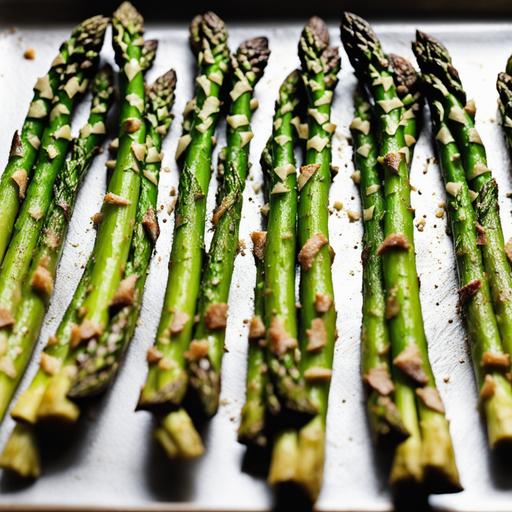
How To Make Crispy Asparagus In Air Fryer [FULL GUIDE]
Recommended Equipments:
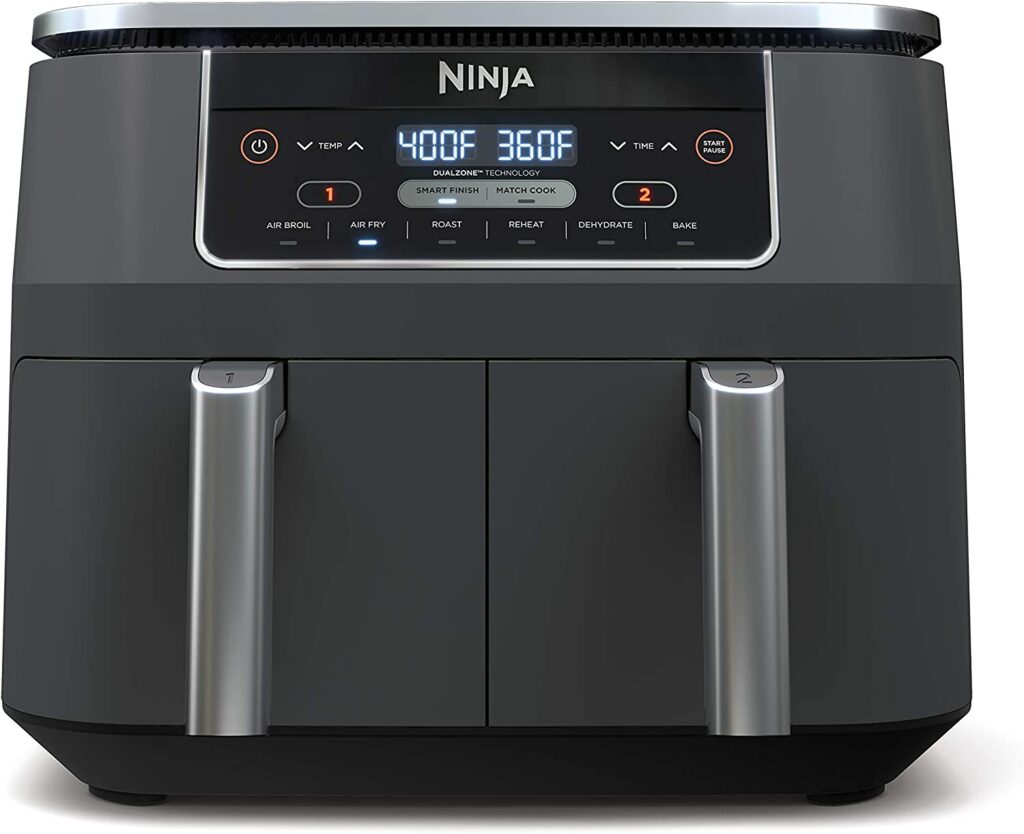
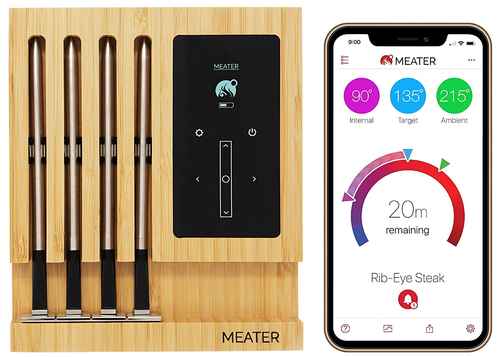
Air fryers have revolutionized the way we cook vegetables, offering a method that is both fast and remarkably efficient while producing a satisfyingly crispy texture. Among the many vegetables that benefit from air frying, asparagus stands out for its delicate flavor, tender yet slightly fibrous texture, and vibrant green hue. Achieving perfectly crispy asparagus requires understanding the interplay between temperature, cooking time, and preparation. When done right, the spears maintain their natural juiciness inside while developing a crisp exterior that makes them almost addictive. This guide dives into every nuance of crafting crispy asparagus in an air fryer, ensuring consistently delectable results.
Optimal Air Fryer Temperature To Make Crispy Asparagus In Air Fryer
Temperature is the cornerstone of air-frying asparagus. For most air fryers, the ideal temperature falls between 375°F (190°C) and 400°F (204°C). Cooking at 375°F allows the asparagus to cook evenly without the risk of burning, producing a tender inside and lightly crisp exterior. On the higher end, 400°F accelerates caramelization and browning, creating a deeper, more pronounced crispiness but demands closer monitoring to prevent charring.
The choice of temperature also depends on the thickness of your asparagus spears. Thinner spears (less than ½ inch in diameter) benefit from slightly lower temperatures to avoid overcooking, while thicker spears thrive at higher temperatures to ensure the interior cooks through without becoming rubbery.
How Long To Make Crispy Asparagus In Air Fryer
Time is equally critical. Generally, asparagus requires 7-12 minutes in the air fryer. Thin spears are done in about 7-8 minutes, while thicker ones may need 10-12 minutes.
The cooking process is rapid due to the high heat and circulating air, which evaporates moisture from the surface, encouraging crispiness. It’s often best to shake the basket or turn the spears halfway through cooking to ensure even exposure to heat and prevent burning on one side.
How To Tell If It Is Done
Determining doneness involves observing both visual cues and texture tests:
- Visual cues: The asparagus should be vibrant green with slight golden-brown edges. The tips may darken slightly, indicating caramelization.
- Texture test: Gently pierce the thickest part of a spear with a fork. It should offer slight resistance but not feel woody or fibrous. Overcooked asparagus becomes limp, while undercooked spears feel raw and lack a crisp exterior.
Ingredients Needed
To achieve perfectly crispy asparagus, minimal ingredients are required, but each plays a crucial role:
- 1 bunch of fresh asparagus (trimmed and washed)
- 1-2 tablespoons of olive oil (or avocado oil for higher smoke point)
- Salt, to taste (coarse sea salt works best for texture)
-
Freshly ground black pepper, to taste
Optional flavor enhancers include garlic powder, paprika, lemon zest, or grated Parmesan for added depth.
How To Make Crispy Asparagus In Air Fryer
- Prepare the asparagus: Wash and trim the woody ends. Pat dry thoroughly; moisture prevents crisping.
- Season: Toss asparagus with olive oil, salt, pepper, and optional seasonings until evenly coated.
- Preheat the air fryer: If your model requires preheating, set it to 375-400°F.
- Arrange the spears: Place asparagus in a single layer in the basket to allow hot air to circulate freely. Overcrowding results in steaming rather than crisping.
- Air fry: Cook for 7-12 minutes, shaking or turning halfway through. Adjust based on spear thickness and desired crispiness.
- Check doneness: Look for golden tips and test tenderness with a fork.
- Serve immediately: Crispy asparagus is best enjoyed hot to preserve texture. Optionally, drizzle with lemon juice or sprinkle with Parmesan.
What If I Use A Different Air Fryer Temperature?
Using a lower temperature (e.g., 350°F) will cook the asparagus more gently, reducing the risk of burning, but may produce less crispiness. You will need to increase the cooking time slightly, and spears may end up softer rather than crunchy.
Using a higher temperature (e.g., 425°F) accelerates browning and crisping but increases the risk of charring or drying out the spears if not monitored closely. Adjusting cooking time downwards and checking frequently can help mitigate this.
What If I Use A Different Air Fryer Cooking Time?
Shorter cooking time results in asparagus that is tender-crisp or undercooked in the center, especially for thick spears.
Longer cooking time will yield very crispy edges, but risks overcooking the interior, leaving it dry and fibrous. Balancing time with temperature is essential for achieving that perfect combination of crisp exterior and tender interior.
When Things Go Wrong
Even with an air fryer, mistakes can happen:
- Soggy asparagus: Likely due to overcrowding, excess moisture, or too low a temperature. Pat dry and ensure a single layer in the basket.
- Burned tips: Could be the result of too high a temperature or cooking time. Reducing temperature slightly and shaking the basket mid-cook helps.
- Uneven cooking: Thick and thin spears cook at different rates. Consider separating them by thickness or cutting thick spears in half.
Expert Tips
- Dry asparagus thoroughly before air frying; moisture is the enemy of crispiness.
- Preheat the air fryer for consistent cooking.
- Use high-smoke-point oils like avocado or grapeseed to prevent burning at higher temperatures.
- Do not overcrowd the basket; hot air must circulate for maximum crisping.
- Experiment with coatings like Parmesan, panko, or cornmeal for extra crunch.
- Season after cooking if using delicate spices or cheese to prevent burning.
FAQs
What Temperature Is Best For Air Frying Asparagus To Make It Crispy?
The ideal temperature for making crispy asparagus in an air fryer is between 375°F and 400°F (190°C to 200°C). This range allows the asparagus to cook quickly while developing a slightly browned and crispy exterior without becoming overly dry.
How Long Should Asparagus Be Cooked In An Air Fryer For Optimal Crispiness?
Cooking time depends on the thickness of the asparagus spears. Thin spears typically take 6-8 minutes, while thicker ones may require 10-12 minutes. Shaking or turning them halfway through ensures even crisping.
Do I Need To Preheat The Air Fryer Before Cooking Asparagus?
Preheating is recommended but not strictly necessary. Preheating for 3-5 minutes helps achieve a more consistent and crispy texture by immediately exposing the asparagus to high, even heat.
Should I Use Oil When Air Frying Asparagus, And What Kind Is Best?
Yes, using a small amount of oil helps the asparagus become crispy and prevents sticking. Light oils with high smoke points, such as olive oil, avocado oil, or grapeseed oil, are ideal. Typically, 1-2 teaspoons per pound of asparagus is sufficient.
Can I Season Asparagus Before Air Frying It?
Absolutely. Simple seasonings like salt, pepper, garlic powder, or paprika work well. You can also add grated Parmesan cheese or lemon zest after cooking for added flavor. Avoid heavy sauces before cooking as they can prevent crispiness.
How Can I Prevent Asparagus From Becoming Soggy In The Air Fryer?
To prevent sogginess, make sure the spears are dry before seasoning, do not overcrowd the air fryer basket, and avoid using excessive oil. Cooking at a high temperature and shaking the basket midway will promote even crisping.
Can Frozen Asparagus Be Used In An Air Fryer For Crispy Results?
Yes, frozen asparagus can be air fried, but it may release extra moisture. Pat it dry before adding oil and seasoning, and increase the cooking time slightly compared to fresh asparagus. This will help achieve a crispy texture.