
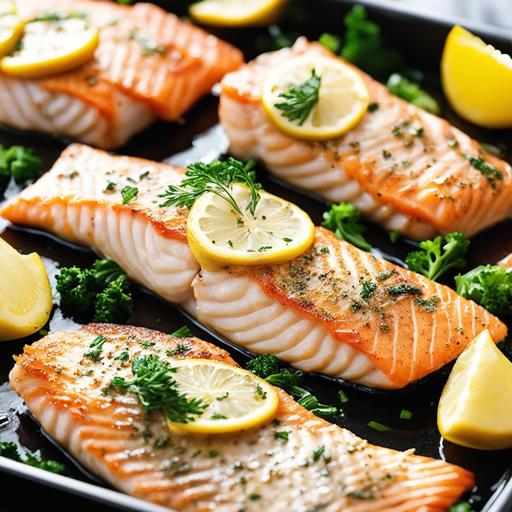
How To Make Fish Fillet In Air Fryer [FULL GUIDE]
Recommended Equipments:
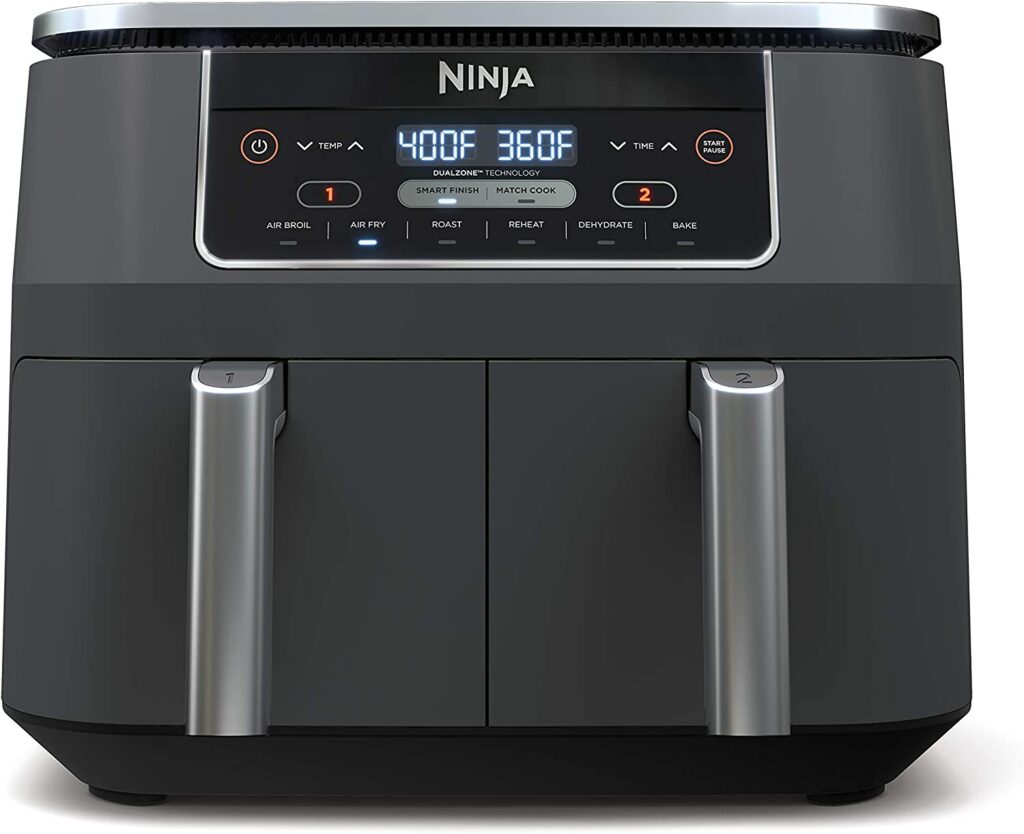
Air fryers have revolutionized home cooking, offering a method to achieve crispy, golden exteriors while preserving the delicate, moist interiors of your favorite foods-without the heavy use of oil typical of traditional frying. Among the many dishes that thrive in an air fryer, fish fillets stand out as both quick and versatile. Whether you’re working with cod, tilapia, salmon, or haddock, air frying delivers a satisfying texture reminiscent of classic deep-fried fish but in a fraction of the time and with significantly less fat. The process, however, requires more than just tossing your fillets into the basket. Understanding the optimal temperature, cooking time, and techniques is essential to achieving a perfectly cooked fillet every time. This guide delves into every aspect of air-frying fish, from preparation to troubleshooting.
Optimal Air Fryer Temperature To Make Fish Fillet In Air Fryer
Temperature is one of the most critical factors in air frying fish fillets. Most fish fillets are delicate, and exposing them to too high a temperature can cause them to dry out or flake apart before achieving a crisp crust. Conversely, too low a temperature can result in a limp, undercooked fillet.
For most white fish fillets, the ideal temperature ranges between 375°F (190°C) and 400°F (205°C). This range ensures that the exterior crisps quickly while the interior cooks evenly, maintaining its moisture. Lean fish such as cod or tilapia respond particularly well at 375°F, while slightly fattier fillets like salmon or trout can handle closer to 400°F, which helps render their natural oils and enhances flavor. Always preheat your air fryer before cooking; a preheated environment ensures immediate contact heat, which helps form a golden crust without overcooking the interior.
How Long To Make Fish Fillet In Air Fryer
Cooking time depends on the thickness and type of fillet. As a general guideline:
- Thin fillets (½ inch thick or less): 8-10 minutes
- Medium fillets (around 1 inch thick): 10-12 minutes
- Thicker fillets (1.5 inches or more): 12-15 minutes
It is advisable to flip the fillets halfway through the cooking time for even browning, especially for thicker cuts. Remember that air fryers cook by circulating hot air, so slight variations in thickness and water content of the fish can affect cooking time. Always monitor closely the first time you try a new recipe or fillet type.
How To Tell If It Is Done
A perfectly cooked fish fillet is moist, flaky, and opaque. You can tell it’s done by:
- Visual cues: The fillet should appear opaque and firm, not translucent or gelatinous. The edges should slightly crisp and turn a light golden brown.
- Flakiness test: Insert a fork at a 45-degree angle into the thickest part of the fillet and gently twist. If the fish separates easily into flakes, it is done.
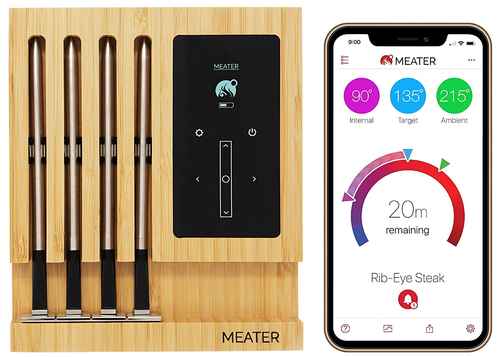
- Internal temperature: For absolute precision, use a digital meat thermometer. Fish is safely cooked at 145°F (63°C). Some chefs prefer slightly lower temperatures (around 140°F / 60°C) for extra moistness, but this requires consuming immediately.
Ingredients Needed
For a simple, flavorful air-fried fish fillet, you’ll need:
- Fish fillets: Cod, tilapia, haddock, salmon, or your choice (about 1-1.5 pounds)
- Olive oil or cooking spray: 1-2 teaspoons, for light coating
- Salt: To taste
- Black pepper: Freshly ground, to taste
- Paprika: 1 teaspoon for mild smokiness and color
- Garlic powder: ½ teaspoon for subtle depth
- Optional additions: Lemon zest, dried herbs (thyme, parsley), or a thin breading of panko breadcrumbs for extra crunch
How To Make Fish Fillet In Air Fryer
- Prep the fillets: Pat them dry with paper towels. Moisture is the enemy of crispiness.
- Season: Brush lightly with olive oil or spray with cooking spray. Sprinkle salt, pepper, paprika, and garlic powder evenly on both sides.
- Optional breading: For a crispy exterior, coat lightly with panko breadcrumbs. Press gently to adhere.
- Preheat air fryer: 375-400°F for 3-5 minutes.
- Arrange fillets: Place them in a single layer in the air fryer basket. Avoid overlapping to ensure even air circulation.
- Cook: Air fry for 8-12 minutes depending on thickness, flipping halfway.
- Check doneness: Use visual, flakiness, or thermometer checks as described above.
- Serve immediately: Pair with lemon wedges, tartar sauce, or fresh herbs for best results.
What If I Use A Different Air Fryer Temperature?
Altering the temperature changes both the texture and cooking time:
- Lower temperatures (350°F / 175°C): Fillets will cook more slowly and remain extremely moist but may not achieve a crisp crust unless cooking time is extended.
- Higher temperatures (425°F / 220°C+): Fillets will brown faster but are at risk of drying out or burning before the center is cooked.
Adjust the time in proportion to the temperature change to maintain balance.
What If I Use A Different Air Fryer Cooking Time?
Cooking too briefly will leave fillets undercooked or translucent in the middle, whereas cooking too long dries them out and makes them tough. If you alter cooking time, monitor the fillets visually and by flakiness, checking every 2 minutes once you approach the estimated finish time. Precision is key with delicate fish.
When Things Go Wrong
Even seasoned cooks face mishaps. Common issues include:
- Fish sticks together: Likely caused by overlapping fillets or insufficient preheating.
- Dry fillets: Cooked too long or at too high a temperature. Reduce temperature slightly or check earlier next time.
- Uneven browning: Fillets may be crowded; ensure proper spacing and flip halfway through cooking.
Don’t panic-adjusting temperature and time slightly usually fixes the issue.
Expert Tips
- Patience is key: Dry fillets before seasoning. Moisture prevents browning.
- Minimal oil: A light spray or brush is enough; too much creates sogginess.
- Flip carefully: Use a silicone or non-stick spatula to avoid breaking fillets.
- Add a splash of acidity: A squeeze of lemon or lime brightens flavor post-cooking.
- Experiment with coatings: Panko, crushed cornflakes, or almond flour give different textures.
FAQs
What Types Of Fish Are Best For Air Frying?
Firm, white-fleshed fish such as cod, tilapia, haddock, and pollock are ideal for air frying. These fish hold their shape well during cooking and develop a crispy exterior without falling apart.
Do I Need To Coat The Fish Fillets Before Air Frying?
Coating is optional but recommended for extra crispiness. You can lightly brush fillets with oil and season with salt, pepper, or your favorite spices. For a crunchy texture, you can use breadcrumbs, panko, or cornmeal.
What Temperature Should I Set My Air Fryer To?
A temperature between 375°F to 400°F (190°C to 200°C) works best. This range allows the fish to cook through while achieving a golden, crispy exterior.
How Long Should I Cook Fish Fillets In An Air Fryer?
Cooking time depends on the thickness of the fillets. Generally, 10 to 12 minutes is sufficient for fillets around 1 inch thick. Flip the fillets halfway through cooking to ensure even browning.
Do I Need To Preheat The Air Fryer Before Cooking Fish?
Preheating the air fryer for 3-5 minutes is recommended, as it helps the fish cook evenly and develop a crisp crust more quickly.
How Can I Prevent The Fish From Sticking To The Air Fryer Basket?
Lightly brush the basket with oil or use a parchment paper liner designed for air fryers. Ensure there is space between fillets so hot air circulates properly, which reduces sticking.
How Can I Tell When The Fish Fillet Is Fully Cooked?
Fish is done when it reaches an internal temperature of 145°F (63°C) and flakes easily with a fork. The exterior should be golden brown and crispy, while the inside remains moist and opaque.