
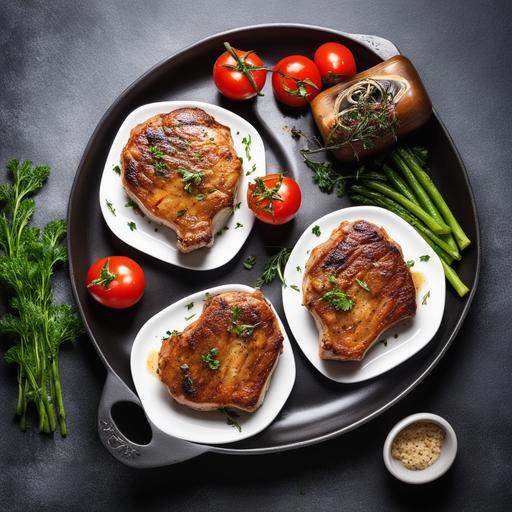
How To Make Juicy Pork Chops In Air Fryer [FULL GUIDE]
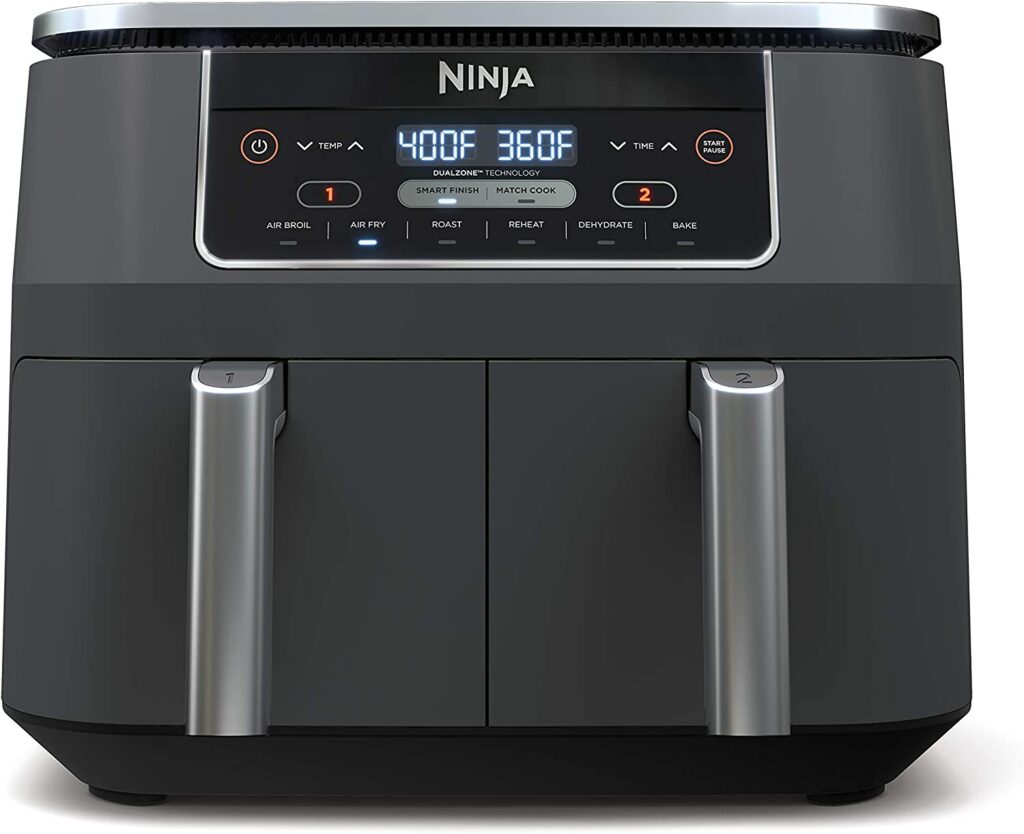
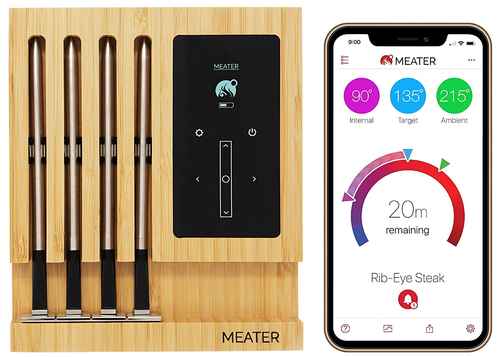
Recommended Equipments:
Pork chops are a classic favorite, celebrated for their rich flavor and versatility. Yet, despite their popularity, many home cooks struggle to cook them perfectly: overcooked pork chops can be dry and tough, while undercooked ones pose a safety risk. Enter the air fryer-a modern kitchen marvel that combines convenience, speed, and precision. By circulating hot air around the food, an air fryer can deliver perfectly cooked pork chops that are juicy on the inside and lightly crispy on the outside. This guide delves deeply into the art and science of cooking pork chops in an air fryer, ensuring your results are tender, flavorful, and reliably satisfying.
Optimal Air Fryer Temperature To Make Juicy Pork Chops In Air Fryer
The temperature at which pork chops are cooked plays a pivotal role in their juiciness. Too high, and the outer layer can sear too quickly while the inside remains undercooked; too low, and you risk dry, rubbery meat. Most chefs and culinary experts agree that an air fryer temperature of 375°F (190°C) is optimal for standard 1-inch pork chops. This temperature allows the pork to cook evenly, giving the proteins time to retain moisture while achieving a subtly crisp exterior.
If your pork chops are thicker, closer to 1.5 inches, lowering the temperature slightly to 360°F (182°C) and adjusting the time helps prevent overcooking the surface while the interior reaches the perfect doneness.
How Long To Make Juicy Pork Chops In Air Fryer
Cooking time is the other critical variable. For standard 1-inch thick pork chops at 375°F:
- Bone-in pork chops: 12-15 minutes, flipping halfway through
- Boneless pork chops: 10-12 minutes, flipping halfway through
Thicker cuts require a few additional minutes, while thinner cuts may cook faster. It’s crucial to flip the chops halfway through cooking to ensure even browning and prevent one side from becoming overly dry.
How To Tell If It Is Done
Determining doneness is essential for both safety and flavor. The internal temperature of pork chops is the gold standard:
- Juicy, fully cooked pork chops should reach 145°F (63°C).
- After removing from the air fryer, allow them to rest for 3-5 minutes; the residual heat will raise the internal temperature slightly, while juices redistribute, resulting in a tender bite.
Visually, properly cooked pork chops will have a slightly golden-brown exterior and feel firm but springy when gently pressed. Avoid relying solely on cooking time, as air fryer models vary and pork chop thicknesses differ.
Ingredients Needed
To make air fryer pork chops juicy and flavorful, you will need:
- 2-4 pork chops (bone-in or boneless, ~1 inch thick)
- 1-2 tablespoons olive oil or cooking spray
- 1 teaspoon salt
- ½ teaspoon black pepper
- ½ teaspoon garlic powder
- ½ teaspoon onion powder
- ½ teaspoon smoked paprika (optional for smoky flavor)
- Fresh herbs (rosemary, thyme) for garnish (optional)
Optional marinade ingredients if you want extra tenderness: soy sauce, lemon juice, or apple cider vinegar.
How To Make Juicy Pork Chops In Air Fryer
- Prepare the pork chops: Pat them dry with a paper towel. This step is critical to achieve a seared, golden exterior.
- Season or marinate: Rub olive oil over the chops and season generously with salt, pepper, and your chosen spices. For marinated pork chops, let them sit in the fridge for at least 30 minutes.
- Preheat the air fryer: Set to 375°F (190°C) for 3-5 minutes. Preheating ensures immediate and even cooking.
- Cook the pork chops: Place the pork chops in the air fryer basket, ensuring they don’t touch. Cook for 5-7 minutes per side (for 1-inch chops), flipping halfway through.
- Check doneness: Use a meat thermometer to ensure an internal temperature of 145°F.
- Rest the pork chops: Let the meat rest for 3-5 minutes before serving to retain its juices.
What If I Use A Different Air Fryer Temperature?
- Higher temperature (400°F / 204°C): Cooking will be faster, but the risk of dry, tough edges increases. Reduce cooking time and check internal temperature early.
- Lower temperature (350°F / 177°C): Provides more gentle cooking, ideal for thicker chops. This approach requires adding a few extra minutes but often results in more evenly cooked, juicy meat.
Temperature adjustments should always be paired with careful timing and internal temperature checks.
What If I Use A Different Air Fryer Cooking Time?
- Shorter time: The pork may remain undercooked and unsafe to eat.
- Longer time: Overcooking leads to dryness and a tough texture.
The key is flexibility: treat the suggested times as a starting point and always confirm doneness with a thermometer.
When Things Go Wrong
Even with an air fryer, mishaps happen:
- Dry pork chops: Usually from overcooking. Solution: reduce temperature, check internal temperature early, and allow the meat to rest.
- Uneven cooking: Often caused by overcrowding the basket. Cook in batches if necessary.
- Burned edges, raw centers: Likely a temperature or thickness mismatch. Lower temperature and extend cooking time for thick chops.
Expert Tips
- Dry brine for juiciness: Salt pork chops and refrigerate uncovered for 30-60 minutes before cooking to enhance flavor and moisture retention.
- Flip halfway: Air fryers cook unevenly without flipping; even a few minutes can make a difference.
- Use a thermometer: Avoid guessing; 145°F is your target.
- Add a fat layer: Brushing with olive oil or melted butter helps browning and moisture retention.
- Rest meat: Never skip resting-it’s crucial for juicy pork chops.
FAQs
What Type Of Pork Chops Are Best For Air Frying?
Bone-in pork chops are generally preferred because the bone helps retain moisture, resulting in juicier meat. Thick-cut chops, around 1 to 1.5 inches, also cook more evenly and stay tender in an air fryer.
Should I Marinate Pork Chops Before Air Frying?
Yes, marinating or brining pork chops before cooking can enhance both flavor and juiciness. A simple brine with water, salt, sugar, and optional spices for 30 minutes to 2 hours helps the pork retain moisture during air frying.
What Temperature Should I Set The Air Fryer To Cook Pork Chops?
For juicy pork chops, preheat the air fryer to 375°F (190°C). This temperature allows the exterior to brown without overcooking the interior, preserving moisture.
How Long Do Pork Chops Need To Cook In An Air Fryer?
Cooking time varies by thickness. For 1-inch thick chops, cook for 12-15 minutes, flipping halfway. Thicker chops (1.5 inches) may require 16-18 minutes. Always check internal temperature to ensure doneness.
How Do I Know When Pork Chops Are Cooked Perfectly?
The most reliable method is using a meat thermometer. Pork chops are safe to eat at 145°F (63°C) internal temperature, followed by a 3-minute rest. This ensures they are juicy but fully cooked.
Can I Add Seasoning Directly To Pork Chops Before Air Frying?
Yes, dry rubs, herbs, and spices can be applied directly. To help the seasoning adhere, lightly pat the pork chops dry and optionally brush with a small amount of oil. Avoid heavy coatings that may burn in the air fryer.
Should I Let Pork Chops Rest After Air Frying?
Absolutely. Allow the pork chops to rest for at least 3-5 minutes after cooking. Resting redistributes juices throughout the meat, making it more tender and flavorful.