
How To Make Puffed Quinoa In Air Fryer [FULL GUIDE]
Recommended Equipments:
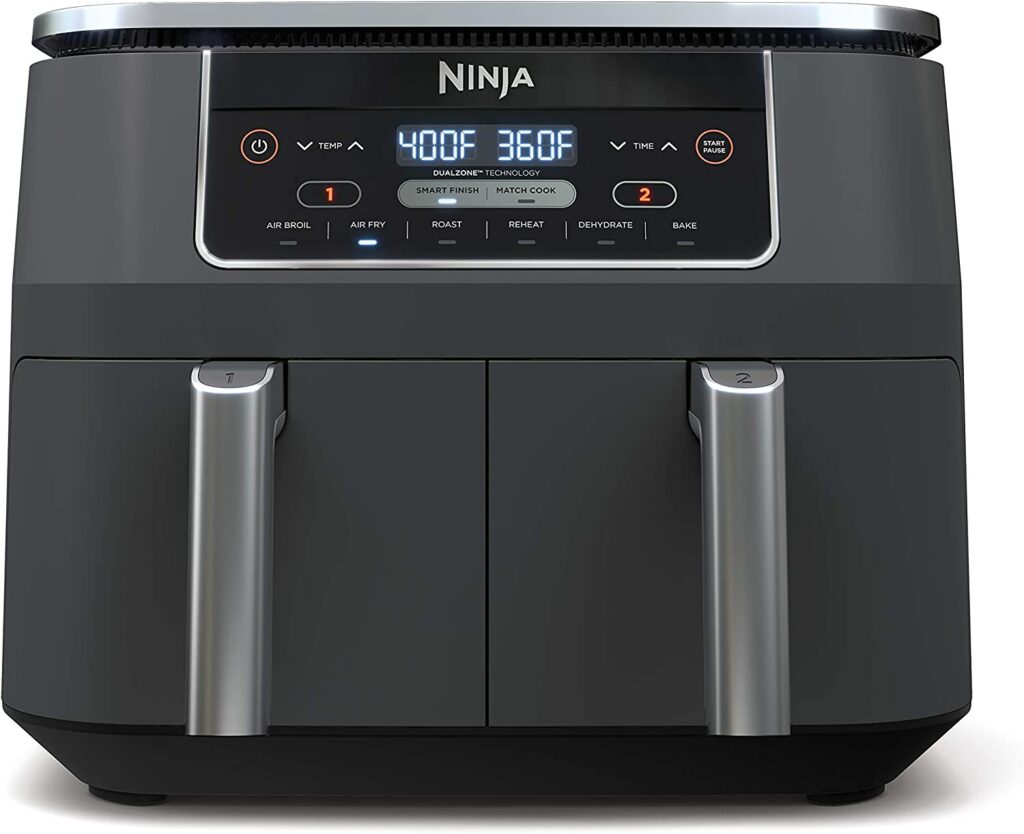
Quinoa, often hailed as a superfood for its rich protein content, essential amino acids, and high fiber, takes on an entirely new dimension when puffed. Puffed quinoa delivers a light, airy crunch and a nutty, slightly earthy flavor, making it perfect for topping yogurt, adding to granola, or enjoying as a standalone snack. Traditionally, puffing grains required hot oil or specialized equipment, but with the advent of the air fryer, this process has become both accessible and healthier. The air fryer provides a dry-heat method that allows quinoa to expand and pop, transforming it into a crispy delight without added fats. Understanding the nuances of temperature, timing, and technique is essential to achieve the perfect puffed quinoa.
Optimal Air Fryer Temperature To Make Puffed Quinoa In Air Fryer
Temperature control is crucial when puffing quinoa. The ideal range is typically 350°F to 375°F (175°C to 190°C). At this range, the heat is sufficient to make the tiny grains expand rapidly, creating that characteristic puff. Temperatures lower than 350°F often result in uneven puffing, leaving some grains undercooked or chewy, while temperatures above 375°F risk burning the delicate quinoa before it has time to puff fully.
Some air fryers have hotspots or uneven heating zones, so shaking or stirring the quinoa mid-process can help ensure uniform exposure to heat. Additionally, preheating the air fryer for a few minutes before adding quinoa ensures consistent results, preventing cold spots that could interfere with puffing.
How Long To Make Puffed Quinoa In Air Fryer
Timing is delicate when puffing quinoa. Typically, 3-5 minutes is sufficient, depending on the air fryer and batch size. Since quinoa grains are tiny, they heat very quickly, and even a small variance in time can shift the outcome from perfectly puffed to burnt.
It’s important to check the quinoa frequently starting at the 3-minute mark. Due to the small size of the grains, puffing can happen almost instantly, and leaving them too long can cause them to brown excessively or taste bitter.
How To Tell If It Is Done
Puffed quinoa undergoes a visible and tactile transformation. The grains will expand slightly, almost doubling in size, and take on a light, airy texture. They should feel crisp and fragile to the touch. Color changes are subtle; puffed quinoa often remains pale but may have a very light golden hue.
Sound can also be a clue: a soft popping sound often indicates active puffing. Overcooked grains will appear darker and emit a toasted aroma, while undercooked grains will remain small and hard.
Ingredients Needed
For basic puffed quinoa, you need:
- 1/2 cup dry quinoa (rinsed and completely dried)
- Optional: 1 teaspoon neutral oil (such as avocado or grapeseed, if you prefer a slightly richer taste and quicker puffing)
- Optional: Pinch of salt (for flavor enhancement)
That’s it! The beauty of puffed quinoa is its simplicity-no sugar or additives are required unless you’re flavoring it after puffing.
How To Make Puffed Quinoa In Air Fryer
- Rinse and Dry: Rinse quinoa thoroughly under cold water to remove saponins (the naturally bitter coating). Spread it on a clean kitchen towel or paper towel and pat dry. Any moisture will hinder puffing.
- Optional Oil: Toss the dry quinoa lightly with a small amount of oil if desired.
- Preheat the Air Fryer: Preheat to 360°F (182°C) for even heat distribution.
- Add Quinoa: Place the quinoa in a single layer in the air fryer basket. Avoid overcrowding to ensure heat reaches every grain.
- Air Fry: Cook for 3-5 minutes, shaking the basket halfway through. Watch carefully as quinoa can puff quickly.
- Cool and Store: Transfer to a plate to cool; it will become crunchier as it cools. Store in an airtight container to maintain crispness.
What If I Use A Different Air Fryer Temperature?
- Lower Temperature (<350°F / 175°C): Puffing may be incomplete, leaving some grains chewy. The texture will be less light and crisp.
- Higher Temperature (>375°F / 190°C): Grains may brown or burn before fully puffing. This can create a bitter flavor and uneven texture.
What If I Use A Different Air Fryer Cooking Time?
- Shorter Cooking Time (<3 minutes): Grains may remain dense, not fully puffed, and lack the desired crunch.
- Longer Cooking Time (>5 minutes): Risk of overcooking or burning increases, resulting in a bitter taste and potential smoke.
When Things Go Wrong
- Grains didn’t puff: Likely due to moisture-ensure quinoa is thoroughly dried before cooking.
- Grains burnt: Air fryer temperature was too high or quinoa was left too long. Lower temperature and reduce cooking time next attempt.
- Uneven puffing: Overcrowding in the basket or uneven heat distribution. Shake halfway or cook in smaller batches.
Expert Tips
- Preheat the air fryer to ensure even puffing.
- Dry quinoa is essential; residual water prevents proper expansion.
- Shake or stir mid-cook for uniform results.
- Small batches yield better puffing than a large mound of quinoa.
- Experiment with flavoring after puffing, such as cinnamon, cocoa powder, or sea salt, for versatile applications.
FAQs
What Type Of Quinoa Is Best For Puffing In An Air Fryer?
For air-frying, use dry, uncooked quinoa. Both white and red quinoa work, but white quinoa tends to puff more evenly and results in a lighter texture. Avoid pre-cooked or soaked quinoa as it will not puff properly.
Do I Need To Rinse Quinoa Before Puffing It In An Air Fryer?
No, rinsing quinoa is not recommended for puffing. The natural coating called saponin may affect the puffing process if washed away, and moisture can prevent the quinoa from puffing properly. Use dry, unwashed quinoa for best results.
What Temperature And Time Should I Use In An Air Fryer To Puff Quinoa?
Set your air fryer to around 350°F (175°C) and air fry the quinoa for 5-8 minutes. It’s important to shake the basket every 1-2 minutes to ensure even puffing and prevent burning. Exact times may vary depending on your air fryer model.
Do I Need To Preheat The Air Fryer Before Making Puffed Quinoa?
Preheating is recommended. Preheat the air fryer for 2-3 minutes to ensure the quinoa starts puffing immediately upon contact with hot air, which helps achieve a light and crisp texture.
How Can I Tell When The Quinoa Is Properly Puffed?
Puffed quinoa should increase in size and have a light, airy texture. The grains should appear slightly golden but not burnt. If the quinoa is still dense or chewy, it needs more time, but keep a close watch to avoid overcooking.
Can I Add Oil Or Seasonings Before Puffing Quinoa In The Air Fryer?
It’s best to air-fry quinoa dry for optimal puffing. Adding oil or seasonings before cooking may prevent the grains from puffing properly. You can toss the puffed quinoa with a small amount of oil, salt, or spices after cooking.
How Should I Store Puffed Quinoa After Air-frying?
Once cooled completely, store puffed quinoa in an airtight container at room temperature. It can remain crisp for up to 1-2 weeks. Exposure to moisture will cause it to lose its crunch, so avoid storing in humid areas.