
How To Make Soft Boiled Eggs In Air Fryer [FULL GUIDE]
Recommended Equipments:
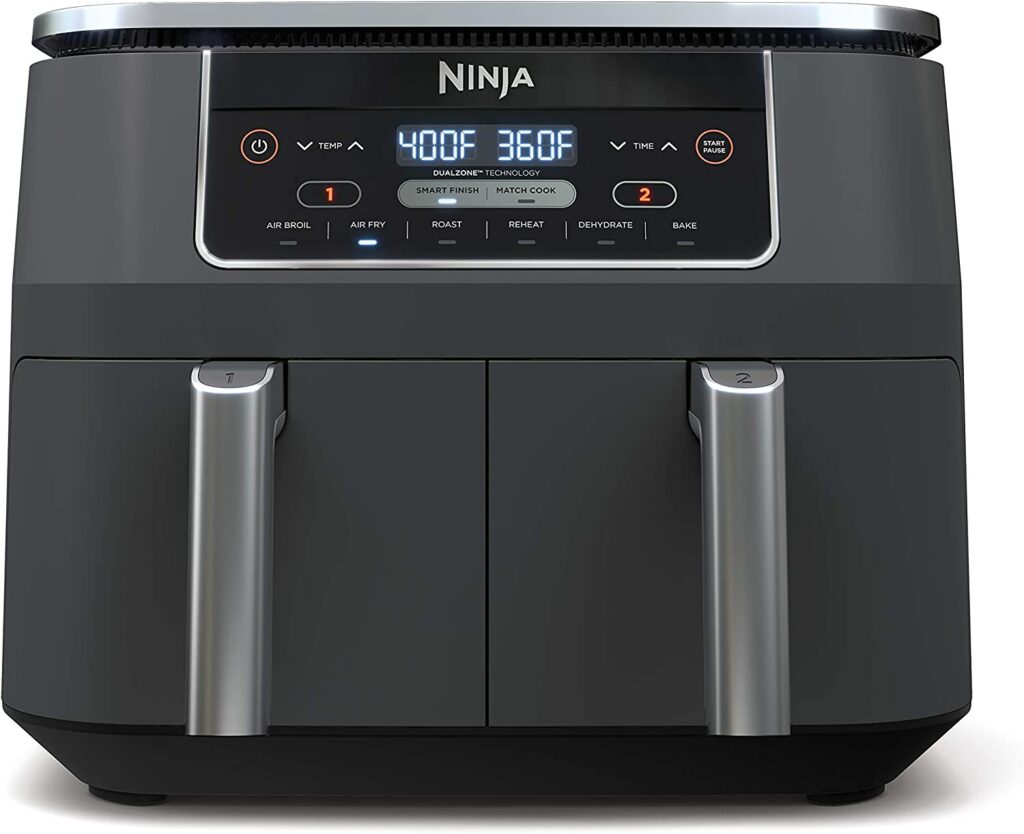
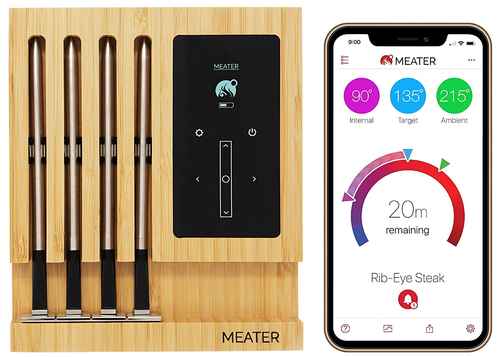
Soft boiled eggs are a culinary delight-a delicate balance between a tender, slightly firm white and a luxuriously runny yolk. Traditionally, achieving this perfect texture requires precise timing and careful handling in boiling water, which can be tricky for beginners and even seasoned cooks. Enter the air fryer: a modern kitchen marvel that promises convenience, consistency, and minimal mess. Using an air fryer to make soft boiled eggs allows you to skip the boiling pot, monitor temperature more accurately, and enjoy eggs with a precise texture every time. This guide delves into the nuances of perfecting air fryer soft boiled eggs, offering expert techniques, troubleshooting tips, and variations to suit your taste.
Optimal Air Fryer Temperature To Make Soft Boiled Eggs In Air Fryer
Temperature control is the foundation of any successful soft boiled egg. In an air fryer, the optimal temperature typically hovers between 270°F to 300°F (132°C to 149°C). Temperatures below this range may result in undercooked whites and a yolk that’s too liquid, while higher temperatures risk overcooking the yolk, making it firmer than desired.
It’s important to remember that air fryer models vary in heat distribution. Some compact models have more direct airflow, which can cook eggs faster, while larger units may require slightly higher temperatures to achieve the same effect. A gentle, steady heat is key, as it allows the whites to set gradually while the yolk remains creamy and runny.
How Long To Make Soft Boiled Eggs In Air Fryer
Cooking time is equally critical. For a typical medium-sized egg at the recommended temperature range of 270°F-300°F:
- 6-7 minutes generally yields a soft yolk with slightly firm whites.
- 7-8 minutes will create a more custard-like yolk while still remaining runny.
Adjustments may be necessary depending on egg size, initial egg temperature (room temperature vs. straight from the fridge), and altitude. It’s recommended to test with one or two eggs initially to calibrate timing for your specific air fryer.
How To Tell If It Is Done
Visual cues and tactile methods are essential in determining doneness:
- White appearance: Whites should be fully set and opaque without any translucent patches.
- Yolk texture: Gently tap the egg and observe the yolk through cracks after peeling; it should be viscous and slightly jiggly.
- Egg firmness: If you lightly press the top of the shell, the egg should yield slightly under pressure but bounce back, indicating a soft center.
Avoid over-reliance on exact timing alone; small variances in egg size and fryer model mean observation is crucial.
Ingredients Needed
- Fresh large eggs (1-6 depending on fryer size)
- Optional: ice water bath for stopping the cooking process
- Optional: salt and pepper for serving
No oils or sprays are necessary, as eggs cook naturally in their shells.
How To Make Soft Boiled Eggs In Air Fryer
- Preheat the air fryer to 275°F (135°C) for optimal results.
- Arrange eggs in a single layer in the air fryer basket; avoid overcrowding for even cooking.
- Cook for 6-7 minutes for a perfectly soft yolk. Adjust 30-60 seconds longer for a slightly more custard-like center.
- Prepare an ice water bath while the eggs cook to halt the cooking process immediately after air frying.
- Remove eggs carefully using tongs or a spoon and transfer them to the ice bath for 1-2 minutes.
- Peel and serve immediately, seasoning as desired.
This method ensures consistency and reduces the risk of overcooking.
What If I Use A Different Air Fryer Temperature?
Raising or lowering the temperature can drastically affect texture:
- Higher than 300°F: Whites may become rubbery, and yolks firm too quickly.
- Lower than 270°F: Eggs may cook unevenly, with whites underdone and yolks too runny.
If altering temperature, adjust cooking time accordingly. Lower temperatures generally require slightly longer cooking times, while higher temperatures shorten them. Small incremental changes are best to avoid drastic texture changes.
What If I Use A Different Air Fryer Cooking Time?
Cooking time is just as sensitive as temperature:
- Shorter than 6 minutes: Eggs will likely be undercooked, with runny whites that may be unsafe to eat.
- Longer than 8 minutes: The yolk becomes firmer, approaching a medium boiled texture.
If experimenting, always use the ice bath to stop cooking at the precise moment and conduct a test egg to check consistency.
When Things Go Wrong
Common pitfalls include:
- Cracked shells: Often due to rapid temperature changes or overcrowding in the fryer. Use room temperature eggs to minimize cracking.
- Overcooked yolk: Usually caused by excessive time or high heat. Adjust the timer down or reduce temperature.
- Uneven cooking: Can occur if eggs are stacked or if the air fryer circulates heat unevenly. Ensure a single layer and rotate eggs if needed.
Most problems are easily corrected by minor adjustments in time, temperature, or egg placement.
Expert Tips
- Start with room temperature eggs for consistent cooking.
- Use an ice bath immediately after cooking to halt residual heat.
- Experiment with timing in 15-30 second increments to match your preference.
- Mark your eggs if cooking multiple batches, so you can track which ones achieve the ideal yolk.
- Avoid overcrowding-air circulation is essential for even results.
- Invest in a small kitchen thermometer if your air fryer’s temperature control is inconsistent.
FAQs
Can I Make Soft Boiled Eggs In An Air Fryer?
Yes, soft boiled eggs can be made in an air fryer. The air fryer uses circulating hot air to cook the eggs evenly, producing a firm white and a runny yolk when timed correctly.
What Temperature Should I Set My Air Fryer To For Soft Boiled Eggs?
Most air fryer recipes recommend setting the temperature between 270°F (130°C) and 300°F (150°C). This lower temperature helps ensure the egg whites are fully set while the yolk remains soft and runny.
How Long Should I Cook Soft Boiled Eggs In The Air Fryer?
Cooking time typically ranges from 9 to 12 minutes, depending on the size of the eggs and your air fryer model. Large eggs usually take about 10 minutes for a perfectly soft yolk.
Do I Need To Preheat The Air Fryer Before Cooking Eggs?
Yes, preheating the air fryer for 2-3 minutes helps maintain a consistent cooking temperature, which is important for achieving the desired soft boiled consistency.
Should I Put Water In The Air Fryer When Cooking Eggs?
No water is required when using an air fryer for soft boiled eggs. The eggs are cooked using hot air circulation, not boiling or steaming, so they cook evenly without water.
How Do I Prevent The Eggs From Cracking In The Air Fryer?
To reduce the risk of cracking, allow eggs to come to room temperature before cooking. Additionally, placing them in the air fryer basket carefully and avoiding overcrowding will help maintain their integrity.
How Should I Store Leftover Soft Boiled Eggs?
Soft boiled eggs can be stored in the refrigerator for up to two days. Keep them in their shells and place them in an airtight container. To reheat, place them in warm water for a few minutes rather than using the air fryer again.