How To Roast Beef In Air Fryer [FULL GUIDE]
Recommended Equipments:
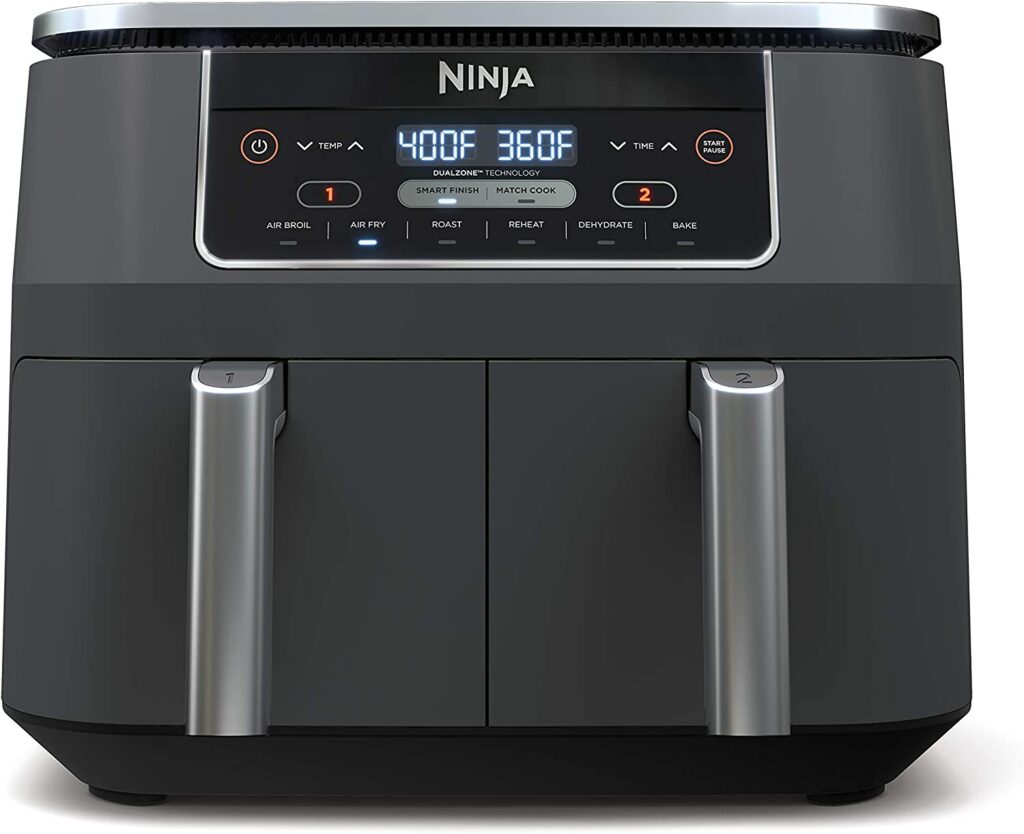
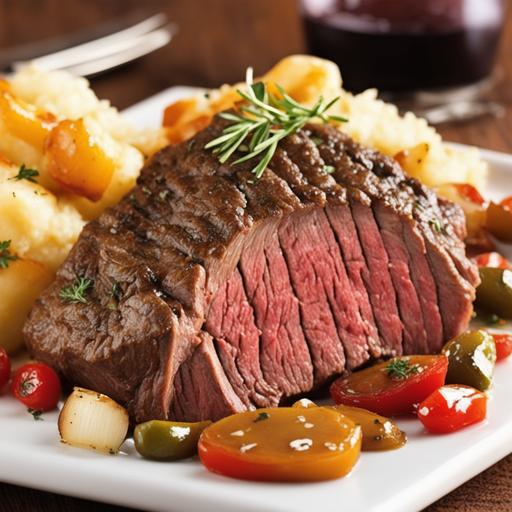
Roasting beef has long been a hallmark of traditional cooking, filling homes with a rich, savory aroma that signals a meal worth savoring. Yet, conventional roasting often requires large ovens, precise timing, and constant attention to avoid overcooking or drying out the meat. Enter the air fryer-a versatile kitchen appliance that has revolutionized cooking methods for busy home chefs. While often celebrated for crisping fries or reheating leftovers, air fryers excel at roasting meats, delivering juicy, flavorful beef with a beautifully caramelized exterior in a fraction of the time. In this guide, we’ll explore the nuances of air fryer beef roasting, from selecting the perfect temperature to expert tips for achieving a restaurant-quality roast at home.
Optimal Air Fryer Temperature To Roast Beef In Air Fryer
Temperature control is critical when roasting beef in an air fryer because the device uses rapid hot air circulation, which can intensify cooking compared to a traditional oven. Generally, the optimal temperature ranges between 360°F and 400°F (182°C-204°C).
- 360°F (182°C): Ideal for larger cuts such as a rib roast or sirloin. Slower cooking at this temperature allows the internal heat to distribute evenly, reducing the risk of overcooking while promoting tenderness.
- 380°F (193°C): A balanced temperature for medium-sized roasts, offering a mix of faster cooking and even browning.
- 400°F (204°C): Perfect for smaller cuts or if you desire a deeply caramelized crust. Caution is advised-overexposure to high heat can dry out the meat.
Choosing the right temperature depends not only on cut size but also on your desired level of doneness and the air fryer model’s airflow efficiency.
How Long To Roast Beef In Air Fryer
Cooking time varies with the weight, thickness, and cut of the beef. A general guideline is:
- 1-2 pounds: 20-30 minutes for medium-rare, 30-35 minutes for medium.
- 2-4 pounds: 30-45 minutes for medium-rare, 40-55 minutes for medium.
Keep in mind that air fryers can cook unevenly if overcrowded, so ensure sufficient space around the meat for air circulation. Rotating or flipping the beef halfway through cooking can further promote even browning.
How To Tell If It Is Done
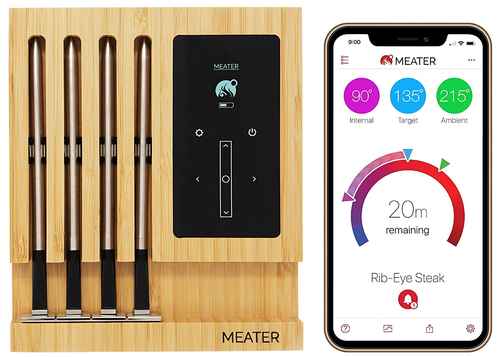
The most reliable way to confirm doneness is with a meat thermometer. Internal temperature targets:
- Rare: 120-125°F (49-52°C)
- Medium-rare: 130-135°F (54-57°C)
- Medium: 140-145°F (60-63°C)
- Medium-well: 150-155°F (66-68°C)
- Well-done: 160°F (71°C) and above
Additionally, visual cues help: the exterior should have a deep golden-brown crust, and juices running from the meat should shift from red to light pink as doneness increases.
Ingredients Needed
A simple ingredient list allows the beef flavor to shine while enhancing its natural juices:
- Beef roast (ribeye, sirloin, or tenderloin, 1-4 lbs)
- Olive oil or melted butter, for coating
- Salt and black pepper, to taste
- Optional aromatics: garlic, rosemary, thyme, onion powder, paprika
These ingredients can be combined to create a flavorful crust that locks in moisture during air frying.
How To Roast Beef In Air Fryer
- Prep the beef: Remove from refrigerator 30-60 minutes before cooking to reach room temperature. Pat dry with paper towels.
- Season: Rub beef with olive oil, salt, pepper, and any desired herbs or spices. Ensure all sides are coated.
- Preheat air fryer: Preheat to the chosen temperature (360-400°F).
- Air fry: Place the beef in the basket or tray, leaving space around it. Cook for half the recommended time, then flip the roast.
- Check doneness: Use a meat thermometer to check internal temperature. Continue cooking in 5-minute increments if needed.
- Rest the meat: Remove beef and tent loosely with foil. Rest for 10-15 minutes before slicing to allow juices to redistribute.
What If I Use A Different Air Fryer Temperature?
Adjusting the temperature will directly affect cooking time and crust formation:
- Lower temperatures (320-350°F / 160-177°C): Slower cooking, more even internal temperature, less risk of burning, but crust may be less pronounced.
- Higher temperatures (410-430°F / 210-221°C): Faster cooking and a darker crust, but higher risk of overcooking the interior if not monitored closely.
Temperature adjustments should always be paired with frequent internal checks to prevent mishaps.
What If I Use A Different Air Fryer Cooking Time?
Cooking for longer than recommended can dry out the roast, while undercooking can leave the beef tough and raw. If you adjust the time:
- Shorter time: Ensure you check internal temperature; a quick sear at higher heat can be added after if the interior is underdone.
- Longer time: Reduce temperature slightly to avoid overcooking the exterior while allowing the interior to reach the desired doneness.
Consistency in both temperature and time is key for predictable results.
When Things Go Wrong
Even with careful preparation, mishaps can happen:
- Dry or tough beef: Usually caused by overcooking. Reduce cooking time or lower temperature next attempt. Always rest meat after cooking.
- Uneven browning: Often from overcrowding or improper flipping. Cook in batches if needed and rotate mid-way.
- Undercooked interior: Use a thermometer and allow the roast to rest; residual heat may raise internal temperature by 5-10°F.
Being mindful of these pitfalls ensures the next roast comes out perfectly.
Expert Tips
- Room temperature roast: Bringing meat to room temperature promotes even cooking.
- Patience is key: Resist cutting immediately after cooking; resting is critical.
- Herb butter finish: Adding a small pat of butter on top after cooking enhances flavor and shine.
- Use a drip tray: Prevents smoke from fat drippings and keeps your air fryer clean.
- Check air fryer manual: Some models run hotter or cooler; adjust accordingly.
FAQs
What Cut Of Beef Is Best For Air Fryer Roasting?
For air fryer roasting, lean and tender cuts such as ribeye, sirloin, or tenderloin work best. These cuts cook evenly and retain juiciness. Tougher cuts like chuck or brisket can be used but may require marinating or longer cooking times to achieve tenderness.
How Do I Prepare Roast Beef Before Air Frying?
Start by trimming excess fat and patting the beef dry. Season generously with salt, pepper, and optional herbs like rosemary or thyme. For additional flavor, you can marinate the beef for a few hours. Let the meat come to room temperature before placing it in the air fryer to ensure even cooking.
What Temperature Should I Set The Air Fryer For Roast Beef?
Set the air fryer to 360°F (182°C) for most medium-rare to medium roasts. Thicker or tougher cuts may benefit from a lower temperature of 330-350°F (165-177°C) to allow for more even cooking without over-browning the exterior.
How Long Does It Take To Cook Roast Beef In An Air Fryer?
Cooking time depends on the size and thickness of the roast. A general guideline is 15-20 minutes per pound for medium-rare. Always use a meat thermometer to check the internal temperature: 125-130°F (52-54°C) for rare, 135-140°F (57-60°C) for medium, and 150-155°F (65-68°C) for well-done.
Should I Flip The Roast Beef During Air Frying?
Yes, flipping the roast halfway through cooking helps achieve even browning and ensures the exterior crisps evenly. For larger roasts, check periodically and rotate if your air fryer has hot spots.
How Do I Rest Roast Beef After Air Frying?
Rest the roast beef for at least 10-15 minutes after cooking. Cover it loosely with foil to retain heat. Resting allows the juices to redistribute throughout the meat, resulting in a juicier, more flavorful roast.
Can I Make A Gravy Or Sauce From The Air Fryer Roast Beef Drippings?
Yes, although air fryer roasts produce less liquid than traditional roasting, you can use any drippings along with beef broth, wine, or pan juices from a separate pan to make a flavorful gravy. Reduce on the stove and season to taste for the best results.