
How To Roast Peanuts In Air Fryer [FULL GUIDE]
Recommended Equipments:
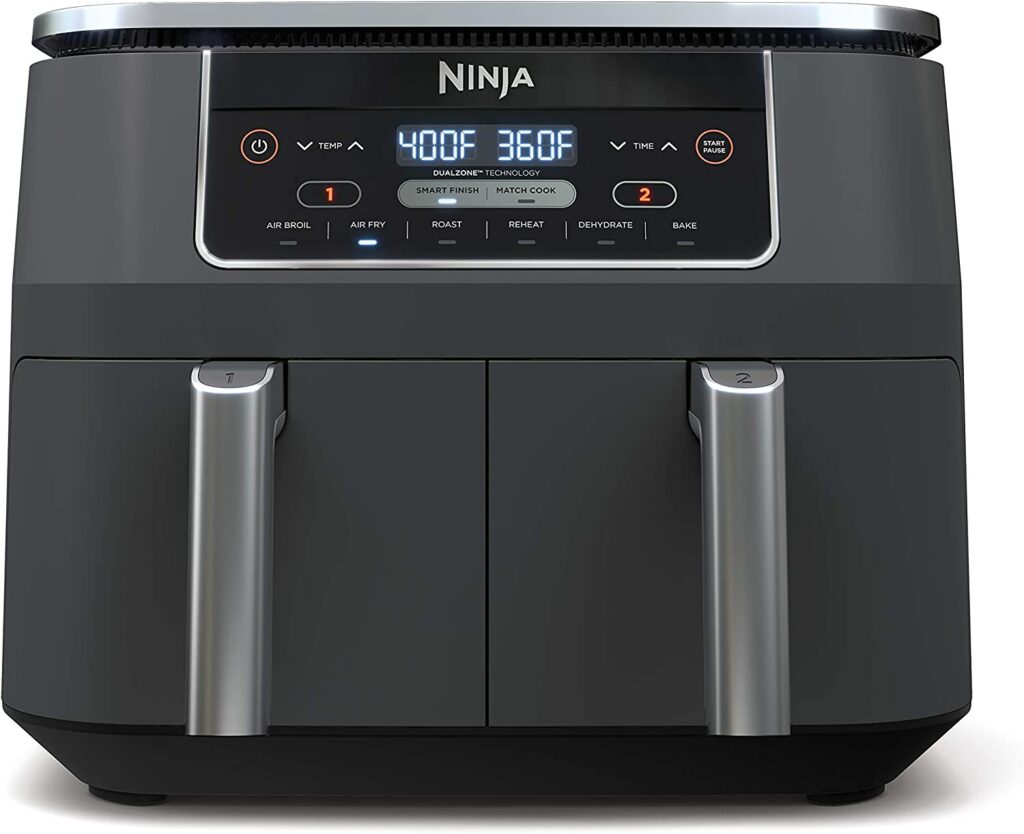
Roasting peanuts is a simple culinary ritual that transforms raw, bland nuts into a fragrant, crunchy snack with rich, nutty flavors. Traditionally, this process relied on ovens or stovetops, requiring careful attention to avoid uneven roasting or burnt peanuts. Enter the air fryer-a kitchen marvel that promises faster, more consistent results while retaining the nut’s natural oils and flavors. Air fryers circulate hot air at high speed, essentially simulating deep-frying without the excessive oil, giving peanuts a perfectly roasted texture and enhanced flavor. Whether you are preparing a small batch for snacking, baking, or adding to dishes, roasting peanuts in an air fryer is both convenient and efficient.
Optimal Air Fryer Temperature To Roast Peanuts In Air Fryer
The ideal temperature for roasting peanuts in an air fryer generally ranges from 320°F to 350°F (160°C to 175°C). This range allows the peanuts to roast evenly without scorching the delicate oils that can quickly turn bitter at higher temperatures. Temperatures lower than 320°F may result in a longer roasting process, potentially leaving the nuts underdeveloped in flavor. Conversely, temperatures above 350°F risk burning the peanuts’ skins and creating an acrid taste. A moderate heat setting ensures a controlled Maillard reaction-the chemical reaction responsible for the rich, golden-brown hue and enhanced nutty aroma.
How Long To Roast Peanuts In Air Fryer
The roasting time depends on the type of peanuts (raw, skin-on or blanched) and your desired roast level:
- Raw, skin-on peanuts: 10-15 minutes
- Blanched peanuts: 8-12 minutes
It’s important to check on the peanuts midway and shake the air fryer basket occasionally. Air fryers vary in airflow efficiency, so even a minute or two difference can affect the final result. By paying attention to both time and appearance, you can achieve evenly roasted peanuts that are crisp on the outside yet maintain a slight chewiness inside.
How To Tell If It Is Done
Roasted peanuts reveal their readiness through visual, auditory, and olfactory cues:
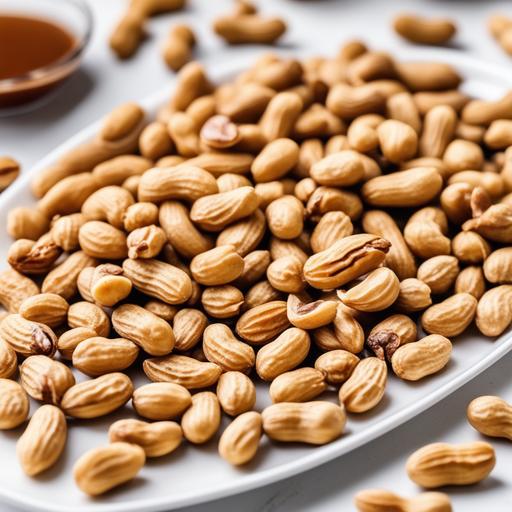
- Color: The peanuts should turn a warm golden-brown hue. The skins may darken slightly but should not appear blackened.
- Aroma: A rich, nutty fragrance will fill your kitchen, signaling that the oils are perfectly roasted.
- Texture: Remove one peanut, allow it to cool slightly, and bite into it. It should be firm and crisp without any raw, chalky taste.
- Sound: Sometimes, roasted peanuts produce a subtle crackling sound as the moisture inside evaporates, indicating they are nearing completion.
Ingredients Needed
Roasting peanuts in an air fryer requires minimal ingredients:
- Raw peanuts: 1-2 cups (skin-on or blanched)
- Optional oil: 1-2 teaspoons (peanut, vegetable, or olive oil for a slightly richer roast)
- Optional salt or seasoning: to taste
The beauty of air fryer roasting is that the peanuts’ natural oils are often sufficient, meaning you can enjoy a healthy, oil-free snack if preferred.
How To Roast Peanuts In Air Fryer
- Preheat the air fryer: Set to 330°F (165°C) for a consistent cooking environment.
- Prepare peanuts: Toss raw peanuts with a small amount of oil if using. Spread them in a single layer in the air fryer basket to ensure even roasting.
- Roasting process: Cook for 10-15 minutes, shaking the basket every 3-5 minutes. This redistributes the nuts for uniform color and prevents scorching.
- Check for doneness: Observe color, aroma, and texture as described above. Remove when golden-brown and fragrant.
- Cooling: Spread peanuts on a baking sheet or plate and allow them to cool completely. Roasting continues slightly after removal due to residual heat.
- Seasoning: Sprinkle salt or other spices if desired while peanuts are still warm for better adherence.
What If I Use A Different Air Fryer Temperature?
- Lower than 320°F (160°C): Peanuts will roast slowly, which may result in uneven roasting or a pale, underdeveloped flavor. You may need to increase cooking time significantly.
- Higher than 350°F (175°C): Peanuts will roast too quickly on the outside, possibly burning before the inside is fully cooked, creating bitterness.
Temperature is key to controlling flavor development; small deviations can be tolerated, but extreme differences will affect the final taste and texture.
What If I Use A Different Air Fryer Cooking Time?
- Shorter time: The peanuts may remain under-roasted-pale, chewy, and lacking aroma.
- Longer time: Even a few minutes too long can lead to over-roasting or burning, producing a bitter flavor and hard texture.
It’s always better to check a few minutes before the suggested time and continue roasting gradually than to risk burning.
When Things Go Wrong
Common pitfalls include:
- Uneven roasting: Usually caused by overcrowding the basket or failing to shake the peanuts. Solution: Roast in smaller batches.
- Burning: Often due to high temperature or leaving peanuts unattended. Solution: Monitor closely and adjust temperature or cooking time.
- Chewy or raw center: Occurs if peanuts are too large or time is too short. Solution: Extend roasting time and shake frequently for even heat exposure.
Expert Tips
- Shake frequently: Ensures even browning and prevents scorching.
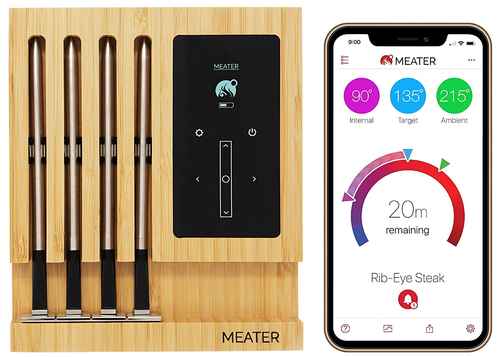
- Use a thermometer: For precision, aim for an internal peanut temperature of around 300°F-310°F.
- Cool completely: This allows residual heat to finish the roasting and locks in crunch.
- Experiment with flavors: Try adding spices like smoked paprika, cinnamon, or chili powder for gourmet variations.
- Storage: Store in an airtight container once completely cooled to maintain freshness and crunch.
FAQs
What Is The Best Temperature To Roast Peanuts In An Air Fryer?
The optimal temperature for roasting peanuts in an air fryer is generally between 320°F and 350°F (160°C to 175°C). This range ensures even roasting without burning the peanuts, allowing them to develop a rich, nutty flavor and a crisp texture.
How Long Should I Roast Peanuts In An Air Fryer?
Roasting time depends on the peanut type and whether they are raw or pre-shelled. Typically, raw peanuts take 10 to 15 minutes at 325°F (165°C). It’s recommended to shake or stir the peanuts every 5 minutes to ensure even roasting and prevent burning.
Should I Use Oil When Roasting Peanuts In An Air Fryer?
Using oil is optional. Air fryers can roast peanuts without oil, producing a dry-roasted flavor. However, a small amount of oil (about 1 teaspoon per cup of peanuts) can enhance flavor, aid browning, and help seasonings stick if you want a flavored snack.
Do I Need To Soak Peanuts Before Air Frying?
Soaking peanuts before air frying is not necessary. Raw peanuts can be roasted directly. Soaking is sometimes used for salted or flavored peanuts to help seasonings adhere, but it is not required for plain dry roasting.
How Do I Know When Peanuts Are Done Roasting In An Air Fryer?
Peanuts are done when they turn golden brown and emit a nutty aroma. They should be lightly crisp when cooled. Over-roasting can make them bitter, so it is important to monitor them closely, especially during the final few minutes.
Can I Roast Peanuts With Their Shells On In An Air Fryer?
Yes, peanuts can be roasted in their shells in an air fryer. Shells may slightly extend the cooking time, generally by 5-10 minutes compared to shelled peanuts. Roasting in-shell peanuts helps preserve flavor and adds a traditional crunchy experience.
How Should I Store Air-fried Peanuts To Keep Them Fresh?
After roasting, allow peanuts to cool completely to room temperature. Store them in an airtight container in a cool, dry place. Shelled roasted peanuts typically last 2-3 weeks at room temperature, while refrigeration can extend freshness up to 3 months.