
How To Air Fry Chicken Thighs In Air Fryer [FULL GUIDE]
Recommended Equipments:
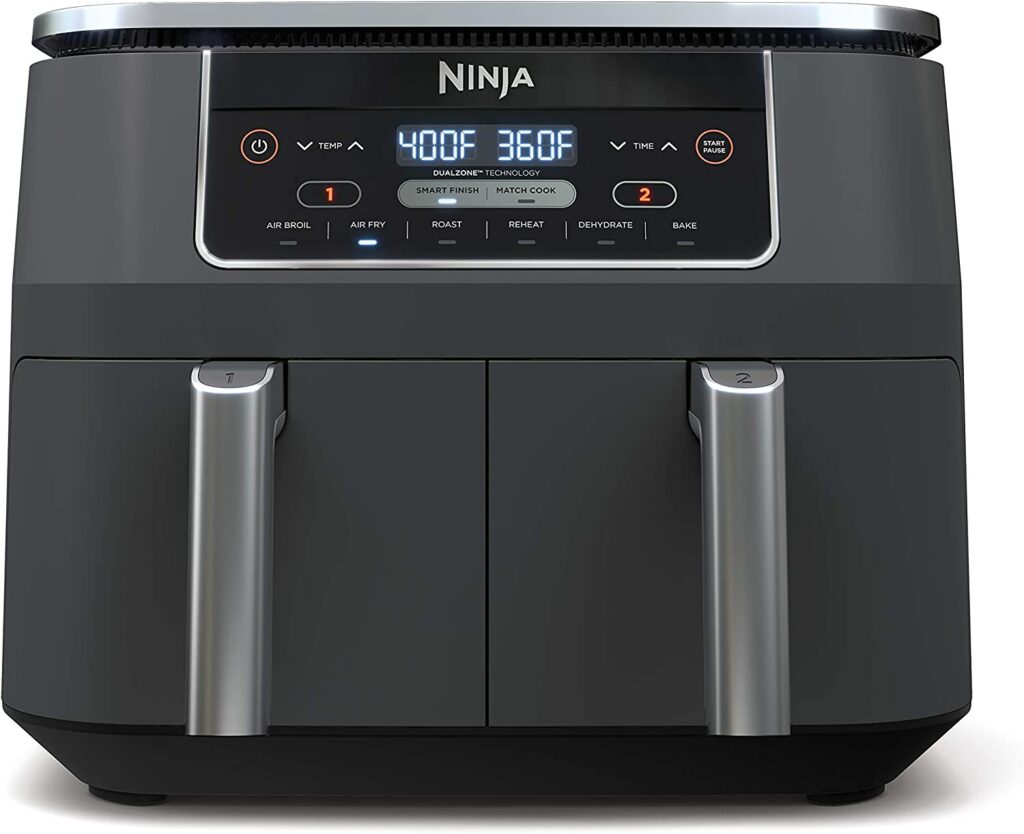
Air frying chicken thighs has become one of the most reliable ways to achieve tender, juicy meat encased in a beautifully crisp skin, all without the excess oil associated with traditional frying. The air fryer circulates hot air rapidly around the food, creating a convection effect that cooks evenly and enhances browning. Because chicken thighs are naturally richer and more forgiving than chicken breasts, they tolerate high heat exceptionally well and remain succulent even when cooked quickly. This guide explores everything you need to know about air frying chicken thighs, from optimal temperature selection to recognizing when they are fully cooked.
Optimal Air Fryer Temperature To Air Fry Chicken Thighs In Air Fryer
The ideal temperature for air frying chicken thighs is 400°F (204°C).
This temperature strikes a balance between achieving a crispy exterior and ensuring the interior cooks through to the safe internal temperature. At 400°F, the fat under the skin renders more efficiently, yielding a golden crust while preventing the meat from drying out.
Cooking at lower temperatures may prolong the cooking time and produce pale skin, while higher temperatures can risk scorching the surface before the thighs are fully cooked. Thus, 400°F offers the best combination of browning, speed, and even cooking.
How Long To Air Fry Chicken Thighs In Air Fryer
For bone-in, skin-on chicken thighs:
- 400°F for 18-22 minutes, flipping halfway through.
For boneless, skinless chicken thighs:
- 400°F for 14-18 minutes, flipping halfway through.
The slight range in timing accounts for differences in thigh size and air fryer models. Larger thighs or less powerful air fryers may push you toward the higher end of the cooking window. Always verify doneness with a thermometer rather than relying solely on time.
How To Tell If The Chicken Thighs Are Done
Use the following indicators to confirm doneness:
Internal Temperature
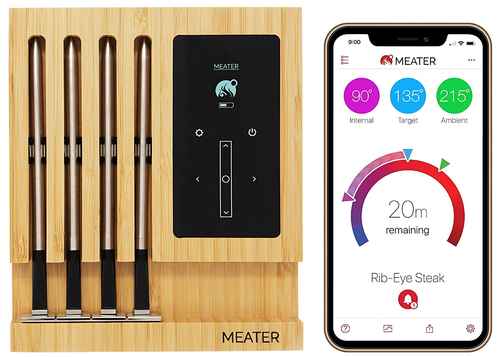
The chicken must reach 165°F (74°C) at its thickest point. Insert the meat thermometer away from the bone for an accurate reading.
Juices Run Clear
Pierce the thickest part of the thigh. The juices should run clear, not pink or cloudy.
Skin Appearance
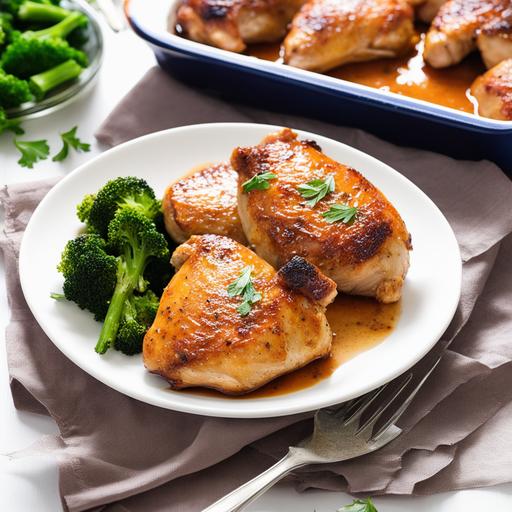
Properly cooked bone-in thighs develop a crisp, golden exterior. Boneless thighs brown lightly but should still show caramelization.
Texture Check
Fully cooked thighs feel firm yet springy. Undercooked chicken feels overly soft or slippery.
Ingredients Needed
A basic, foolproof version requires only a few ingredients:
- Chicken thighs (bone-in, skin-on or boneless)
- Olive oil or neutral oil (such as avocado or canola)
- Salt
- Black pepper
- Garlic powder
- Paprika or smoked paprika
- Optional: onion powder, dried thyme, chili powder, or seasoning blends
Chicken thighs take well to a wide range of seasonings, so feel free to adapt to your preferred flavor profile.
How To Air Fry Chicken Thighs In Air Fryer
-
Preheat The Air Fryer To 400°F (204°C).
Preheating ensures the thighs start cooking immediately, promoting better browning.
-
Prepare The Chicken Thighs.
Pat the chicken dry with paper towels. Removing surface moisture helps the skin crisp and allows seasonings to adhere.
-
Season Thoroughly.
Drizzle the thighs lightly with oil, then coat all sides with salt, pepper, and your preferred spices.
-
Arrange In A Single Layer.
Place the thighs skin-side down in the air fryer basket. Avoid stacking or crowding, as proper air circulation is essential for crispness.
-
Cook According To Thigh Type.
- Bone-in: 18-22 minutes
-
Boneless: 14-18 minutes
Flip halfway through to ensure even cooking.
-
Check For Doneness.
Use a thermometer to verify 165°F. Continue cooking in two-minute increments if needed.
-
Rest For 3-5 Minutes.
Allow the juices to redistribute before serving.
What If I Use A Different Air Fryer Temperature?
Changing the temperature alters both texture and timing:
-
350°F (177°C)
Produces tender meat but results in paler skin. Cooking time increases by roughly 4-7 minutes.
-
375°F (190°C)
A good middle ground if you prefer slightly gentler cooking. Skin crisps but less dramatically than at 400°F.
-
425°F (218°C) Or Higher
Skin browns rapidly, potentially too quickly. Risk of burning the exterior while leaving the interior undercooked. Use with caution.
Lower temperatures lead to more even cooking but less crispness; higher temperatures reverse this relationship.
What If I Use A Different Air Fryer Cooking Time?
Adjusting cooking time is common due to differences in thigh size and air fryer wattage:
-
Too Short Of A Cooking Time
Chicken may appear cooked on the outside but remain unsafe internally. Always check the thickest part for 165°F.
-
Too Long A Cooking Time
Chicken thighs are forgiving, but prolonged overcooking can cause dryness, especially in boneless cuts.
If you’re unsure, check temperature early, then continue cooking in short increments until done.
When Things Go Wrong
Even with straightforward methods, problems can occur:
Undercooked Chicken
- Pale color, soft texture, and pink juices indicate insufficient cooking.
- Return to the air fryer for 3-5 minutes at 400°F and recheck.
Burnt Or Overly Dark Skin
- Caused by preheating too long, overcrowding, or seasoning with sugars that burn.
- Lower temperature to 375°F and reduce time.
Soggy Skin
- Usually results from moisture.
- Pat the thighs dry thoroughly, avoid overcrowding, and increase the temperature to 400°F.
Uneven Cooking
- Often due to differing thigh sizes or inadequate flipping.
- Position the largest thighs near the edges, where circulation is stronger.
Expert Tips
- Dry thoroughly before seasoning to ensure crisp skin.
- Use a light coat of oil; too much hinders browning.
- Allow space between thighs for optimal airflow.
- Season under the skin for deeper flavor in bone-in thighs.
- Flip halfway to promote uniform cooking.
- Check early if your thighs are small to avoid overcooking.
- Let the chicken rest so juices redistribute properly.
- Avoid sugary marinades until the final minutes to prevent burning.
FAQs
What Temperature Should I Cook Chicken Thighs In An Air Fryer?
For crispy and fully cooked chicken thighs, preheat the air fryer to 375°F (190°C) and cook for 20-25 minutes. Adjust the time based on the thickness of the thighs, flipping them halfway through to ensure even cooking.
Do I Need To Marinate Chicken Thighs Before Air Frying?
Marinating is optional but recommended for added flavor and tenderness. You can marinate the chicken for 30 minutes to overnight using ingredients like olive oil, garlic, lemon juice, herbs, and spices. Even a quick seasoning before cooking will enhance the taste.
Should I Remove The Skin From Chicken Thighs Before Air Frying?
You can cook chicken thighs with or without skin. Leaving the skin on will result in a crispier exterior, while skinless thighs will be leaner but may dry out slightly if overcooked. Lightly brushing with oil can help achieve a crisp texture for skinless thighs.
How Do I Know When Chicken Thighs Are Fully Cooked In An Air Fryer?
Use a meat thermometer to check the internal temperature. Chicken thighs are safe to eat when they reach 165°F (74°C) at the thickest part. Additionally, the juices should run clear, not pink, and the meat should feel firm but not dry.
Do I Need To Flip The Chicken Thighs While Air Frying?
Yes, flipping the chicken thighs halfway through cooking ensures even browning and crispiness on both sides. Most air fryers circulate hot air efficiently, but flipping helps prevent uneven cooking, especially for thicker pieces.
Can I Cook Frozen Chicken Thighs In An Air Fryer?
Yes, you can cook frozen chicken thighs, but it will take longer than thawed chicken. Preheat the air fryer to 375°F (190°C) and cook for 25-30 minutes, flipping halfway. It’s best to check the internal temperature to ensure it reaches 165°F (74°C).
How Can I Make Air-fried Chicken Thighs Extra Crispy?
For extra crispy chicken thighs, pat the meat dry before seasoning, lightly coat with oil, and avoid overcrowding the air fryer basket. Using a thin layer of flour, cornstarch, or breadcrumbs can also enhance crispiness. Cooking at 400°F (200°C) for the last 5 minutes can give an added crunch.