How To Cook Raw Sweet Potato In Air Fryer [FULL GUIDE]
Recommended Equipments:
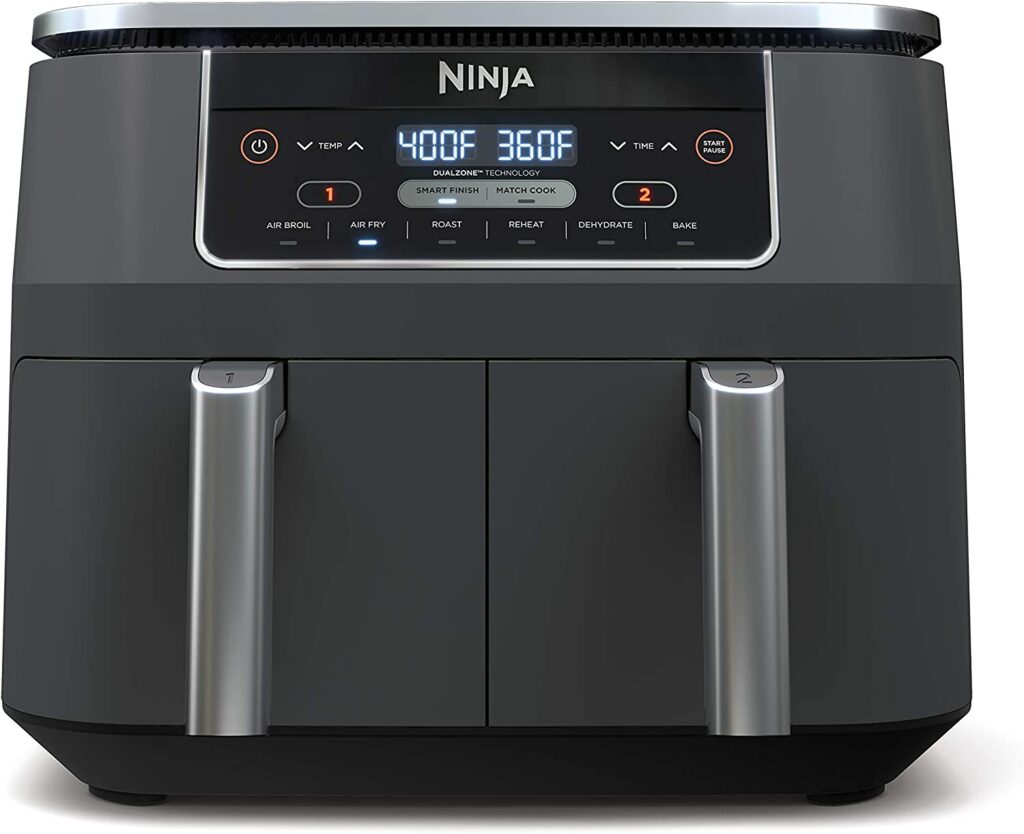
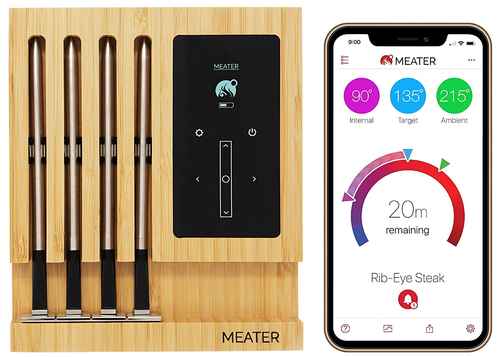
Air fryers have changed the way home cooks approach classic ingredients, and raw sweet potatoes are among the foods that benefit most from this method. Their natural sweetness intensifies under dry, circulating heat, while the exterior develops a lightly crisped texture that does not require large amounts of oil. Whether you are preparing diced sweet potatoes for a quick weeknight side dish or whole sweet potatoes for a nutrient-dense main course, understanding the correct air-frying temperature, timing, and technique ensures consistent results every time. This guide breaks down the process in depth, answers common questions, and outlines the subtle cues that signal when sweet potatoes are perfectly cooked.
Optimal Air Fryer Temperature To Cook Raw Sweet Potato In Air Fryer
The ideal temperature for cooking raw sweet potatoes in the air fryer is 375°F (190°C).
This temperature strikes the right balance between encouraging browning and preventing the exterior from burning before the interior softens. At 375°F, the natural sugars within the sweet potato gradually caramelize, producing a rich color and deeper flavor. Meanwhile, the circulating air removes surface moisture, leading to a pleasantly crisp exterior, especially if the potatoes are cut into cubes or wedges.
Temperatures lower than 360°F delay caramelization and risk leaving the centers undercooked. Temperatures higher than 400°F often produce a burnt exterior long before the interior becomes creamy.
How Long To Cook Raw Sweet Potato In Air Fryer
Cooking time depends heavily on the shape and size of your sweet potatoes. Below are reliable averages:
Diced Or Cubed (½-1 Inch Pieces)
- Time: 18-22 minutes
- Texture Goal: Crisp edges with a creamy interior
- Best Use: Side dishes, salads, meal prep
Wedges (¾-1 Inch Thick)
- Time: 20-25 minutes
- Texture Goal: Deeply caramelized edges and fork-tender centers
- Best Use: Healthy fries, bowl toppings
Whole Sweet Potatoes
- Time: 35-45 minutes
- Texture Goal: Soft, velvety, mash-like inside
- Best Use: Stuffed sweet potatoes, simple lunches, mashed sweet potato bases
For all cuts, it is essential to shake the basket halfway through cooking. This promotes even browning and prevents pieces from sticking together.
How To Tell If It Is Done
A perfectly cooked sweet potato provides several visual and tactile signals:
-
Exterior Color
The potatoes should have a deep golden or amber tone, with visible caramelization on edges and surfaces.
-
Texture Test
Insert a fork into the thickest portion. The fork should slide in with almost no resistance. If you feel a firm center, cook for an additional 2-4 minutes.
-
Surface Feel
Diced pieces should feel slightly crisp or firm on the outside while giving way when pressed gently.
-
For Whole Sweet Potatoes
Apply pressure to the sides using tongs. If the potato yields easily and feels very soft, it is fully cooked.
Ingredients Needed
The beauty of air-fried sweet potatoes lies in their simplicity. You can keep the ingredient list minimal or dress them up with seasoning blends.
- Raw sweet potatoes (any variety: orange, white, purple)
- Light cooking oil (olive oil, avocado oil, or neutral oil)
- Salt (fine or flaky)
-
Optional seasonings:
- Smoked paprika
- Garlic powder
- Black pepper
- Cinnamon
- Cumin
- Chili powder
- Fresh or dried herbs such as rosemary or thyme
How To Cook Raw Sweet Potato In Air Fryer
Prepare The Sweet Potatoes
Wash and dry the potatoes thoroughly. For diced or wedge cuts, peel if desired, though the skin provides added texture and nutrients. Cut evenly to ensure uniform cooking.
Season And Coat
Place the pieces in a bowl. Add 1-2 teaspoons of oil per pound of sweet potato, enough to lightly coat without making them greasy. Season generously with salt and any spices you prefer.
Preheat The Air Fryer
Although some models heat quickly, preheating to 375°F ensures the sweet potatoes start cooking immediately and brown more evenly.
Arrange In The Basket
Place the sweet potatoes in a single layer with space for air circulation. Avoid overcrowding; cook in batches if necessary.
Cook And Shake
Air fry for the recommended time based on size and shape. Shake or stir at the halfway mark to prevent sticking and encourage even browning.
Check For Doneness
Use the fork test and visual cues mentioned earlier. Adjust cooking time slightly if needed.
What If I Use A Different Air Fryer Temperature?
Changing the temperature will alter texture, browning, and cooking time.
-
Lower Temperature (325-350°F)
Results in softer, less caramelized potatoes. May require 5-10 minutes more cooking time. Useful when you want a tender interior without browning, such as for mashing.
-
Higher Temperature (400-425°F)
Produces darker, crispier surfaces quickly. However, there is a risk of burning edges while leaving centers undercooked. Reduce cooking time by 3-5 minutes and check frequently.
-
Very Low Temperature (300°F Or Below)
Leads to dehydrated, leathery pieces. Not recommended for sweet potatoes.
What If I Use A Different Air Fryer Cooking Time?
Adjusting cook time results in the following differences:
-
Shorter Cooking Time
Sweet potatoes will remain firm or slightly raw in the center. The exterior will not have enough time for full caramelization.
-
Longer Cooking Time
Extended cooking can lead to shriveled, tough exteriors and dried-out interiors. In diced pieces, the edges may become overly hard or bitter.
-
Intermittent Checking
When experimenting, check every 2-3 minutes during the final stages. Sweet potatoes transition from perfect to overcooked more quickly than expected.
When Things Go Wrong
Even with simple ingredients, issues can arise:
-
Potatoes Burn Before Cooking Through
Temperature is too high or pieces are too large. Reduce temperature and cut smaller or cook longer at a lower setting.
-
Edges Dry Out Or Become Leathery
Not enough oil or excessive cooking time. Add a light coating of oil and shorten the time slightly.
-
Uneven Cooking
Basket overcrowding or unevenly sized pieces. Arrange in a single layer and cut uniformly.
-
Lack Of Browning
Temperature too low or too much moisture. Pat potatoes dry before seasoning and ensure the air fryer is preheated.
Expert Tips
-
Uniform Cuts Matter
Consistency in size ensures even cooking and balanced caramelization.
-
Do Not Skip Preheating
Preheating produces better browning from the start.
-
Airflow Is Essential
Leave space between pieces. Crowding prevents proper crisping.
-
Minimal Oil, Maximum Effect
A small amount of oil greatly enhances caramelization and texture without making the potatoes greasy.
-
Use Two-Step Seasoning
Salt and oil before cooking; add delicate spices or fresh herbs afterward to avoid burning.
-
Shake The Basket With Intention
A thorough shake halfway through prevents sticking and exposes all sides to hot air.
FAQs
What Temperature Should I Set My Air Fryer To Cook Raw Sweet Potatoes?
For cooking raw sweet potatoes in an air fryer, a temperature of 375°F (190°C) is generally recommended. This allows the sweet potatoes to cook through evenly while achieving a crispy exterior without burning.
How Long Does It Take To Cook Raw Sweet Potatoes In An Air Fryer?
The cooking time depends on the size and cut of the sweet potato. Whole medium sweet potatoes typically take 35-45 minutes, while cubes or wedges take 20-25 minutes. It’s advisable to shake or flip them halfway through for even cooking.
Should I Peel The Sweet Potatoes Before Air Frying?
Peeling is optional. Leaving the skin on adds extra fiber and nutrients and can become nicely crispy. If you prefer a smoother texture, you can peel them before cooking.
Do I Need To Preheat The Air Fryer For Sweet Potatoes?
Preheating is recommended for consistent results. Preheat the air fryer for 3-5 minutes at the cooking temperature before adding the sweet potatoes to ensure they cook evenly and develop a golden-brown exterior.
Should I Add Oil To Sweet Potatoes Before Air Frying?
Lightly tossing sweet potato pieces in 1-2 teaspoons of oil helps enhance browning and crispiness. You can also season with salt, pepper, or spices before cooking. Too much oil is unnecessary and may make them greasy.
How Can I Tell When Sweet Potatoes Are Done In The Air Fryer?
Sweet potatoes are done when they are tender inside and have a slightly crispy outside. You can test doneness by inserting a fork or knife into the thickest part; it should slide in easily without resistance.
Can I Cook Frozen Sweet Potatoes In An Air Fryer The Same Way As Raw Ones?
Frozen sweet potatoes can be cooked in an air fryer, but they require slightly longer cooking times and may need to be shaken more frequently. Unlike raw sweet potatoes, there is no need to thaw, but adjust temperature and time to avoid sogginess.