How To Cook Fresh Wings In Air Fryer [FULL GUIDE]
Recommended Equipments:
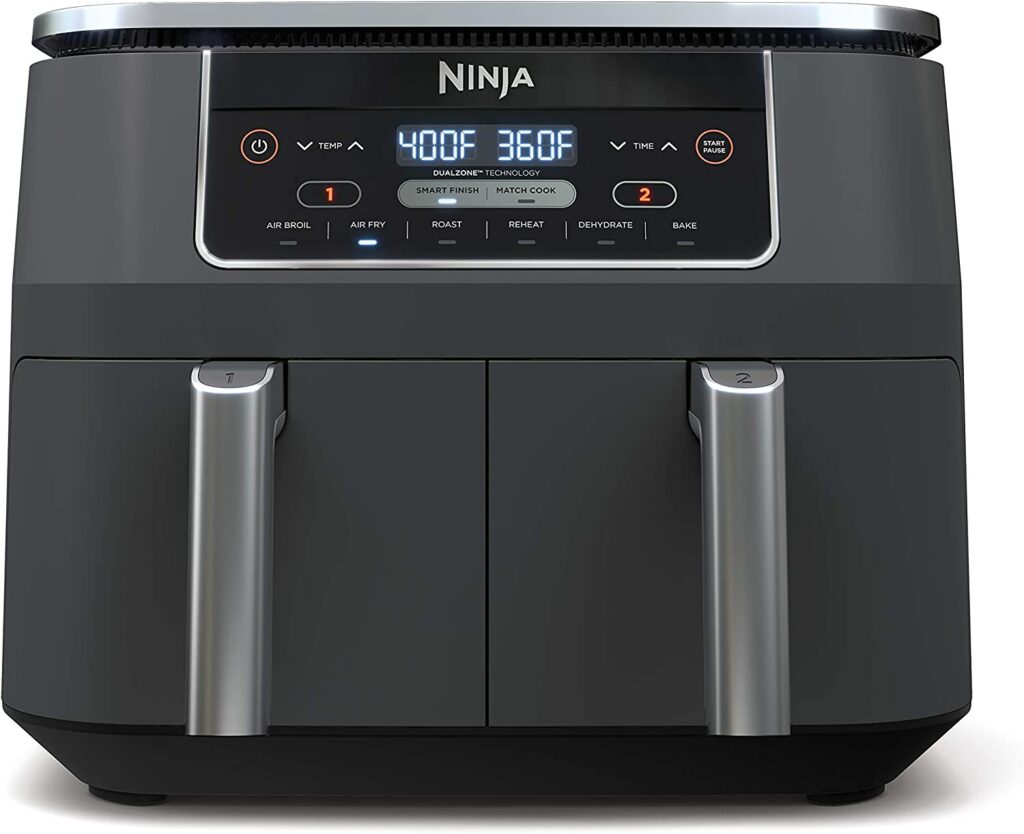
Chicken wings have long held a place of honor in the culinary world, adored for their tender meat and crispy skin. Traditionally fried in oil to achieve that irresistible crunch, wings have evolved into a versatile dish capable of being prepared in healthier ways without sacrificing texture or flavor. Enter the air fryer-a modern kitchen marvel that uses circulating hot air to cook food quickly, evenly, and with far less oil than traditional frying methods. Cooking fresh wings in an air fryer allows you to enjoy that golden, crispy exterior while keeping the interior juicy and flavorful. In this guide, we’ll explore every detail-from temperature and timing to expert tips-so you can master air-fried wings every time.
Optimal Air Fryer Temperature To Cook Fresh Wings In Air Fryer
Temperature is critical when cooking fresh chicken wings in an air fryer because it determines the crispiness of the skin and the juiciness of the meat. For fresh wings, the optimal temperature is generally 360°F (182°C) to 380°F (193°C).
- Lower temperatures (around 350°F / 177°C) allow for slower cooking, which ensures the meat is tender, but may result in less crispy skin unless you extend the cooking time.
- Higher temperatures (around 400°F / 204°C) can create an immediate crisp on the skin, but there’s a risk of drying out the wings if cooked too long.
Setting your air fryer to the right temperature is the first step in achieving wings that are crisp on the outside and succulent on the inside. For most air fryers, 375°F (190°C) is a sweet spot, providing a balance between thorough cooking and perfectly crispy skin.
How Long To Cook Fresh Wings In Air Fryer
Timing depends on the size of the wings, whether they are flat or drumette cuts, and whether you are cooking in a single layer or stacked. For fresh wings:
- Small to medium wings: 22-25 minutes
- Larger wings: 25-28 minutes
Halfway through cooking, it’s essential to flip the wings. This ensures even browning and prevents one side from being overly crisp while the other remains undercooked. Cooking in a single layer is ideal; stacking wings can reduce air circulation and result in uneven cooking.
How To Tell If It Is Done
Chicken wings are done when:
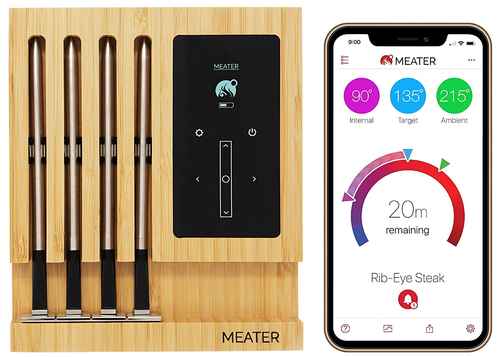
- Internal temperature reaches 165°F (74°C)-use a digital meat thermometer for accuracy.
- Juices run clear when pierced at the thickest part.
- The skin is golden-brown and crispy without appearing burnt.
While the air fryer produces visual cues of doneness, internal temperature is the most reliable indicator to avoid undercooked wings.
Ingredients Needed
For a basic batch of fresh air-fried wings, you will need:
- Fresh chicken wings (about 2 pounds / 900 grams)
- Olive oil or your preferred cooking oil (1-2 tablespoons)
- Salt and pepper (to taste)
- Optional seasonings: garlic powder, paprika, cayenne pepper, onion powder, or dried herbs
- Optional sauces for tossing after cooking: buffalo sauce, barbecue sauce, or honey garlic glaze
The beauty of air-fried wings is their adaptability. You can season before cooking for a crispy, flavored crust, or toss in sauce afterward for sticky, flavorful wings.
How To Cook Fresh Wings In Air Fryer
- Prepare the wings: Pat dry with paper towels to remove excess moisture; this helps the skin crisp.
- Season: Lightly coat the wings with oil, then season with salt, pepper, and optional spices.
- Preheat air fryer: Preheat to 375°F (190°C) for best results.
- Arrange wings: Place wings in a single layer in the air fryer basket, leaving space for air to circulate.
- Cook: Air fry for 12-14 minutes, then flip wings and cook for an additional 10-14 minutes, depending on size.
- Check doneness: Use a meat thermometer to ensure the internal temperature reaches 165°F (74°C).
- Optional finishing touch: Toss wings in your favorite sauce immediately after cooking. Serve hot.
What If I Use A Different Air Fryer Temperature?
Adjusting the temperature can change texture and cooking time:
- Lower temperatures (<350°F / 177°C): Wings cook slower, which may yield more tender meat but less crisp skin. You may need to extend cooking by 5-10 minutes.
- Higher temperatures (>400°F / 204°C): Wings crisp faster but risk drying out or burning. Shorten cooking time and monitor closely, flipping more frequently if needed.
The key is balancing heat with timing to ensure wings are thoroughly cooked without compromising juiciness.
What If I Use A Different Air Fryer Cooking Time?
Altering cooking time affects both doneness and texture:
- Shorter cooking time: Wings may be undercooked or soft. Always check internal temperature before serving.
- Longer cooking time: Wings may become overly dry or burnt. If extending cook time, reduce temperature slightly to prevent drying.
For consistent results, follow recommended time ranges and adjust in small increments based on your air fryer’s performance.
When Things Go Wrong
Even with the best intentions, wings can occasionally fall short. Common problems include:
- Undercooked wings: Usually due to overcrowding or insufficient cooking time. Solution: cook in batches and check internal temperature.
- Soggy skin: Caused by excess moisture. Pat wings dry and avoid overcrowding.
- Burnt edges: Often from too high a temperature. Lower temperature slightly and check midway.
- Uneven cooking: Flip wings halfway through and arrange in a single layer.
Air fryers vary in power, so minor adjustments may be necessary to achieve perfection.
Expert Tips
- Pat dry wings for the crispiest skin. Moisture is the enemy of crunch.
- Lightly coat with oil-even one tablespoon helps the seasonings stick and promotes browning.
- Do not overcrowd the basket-air circulation is key for even cooking.
- Use a meat thermometer-relying solely on appearance can lead to undercooked wings.
- Double crisp method: After the initial cook, increase temperature to 400°F (204°C) for the last 3-5 minutes for an extra-crispy exterior.
- Toss in sauce immediately to coat evenly while the wings are hot.
FAQs
Do I Need To Preheat The Air Fryer Before Cooking Fresh Wings?
Yes, preheating your air fryer is recommended for even cooking. Preheat to 360°F (182°C) for 3-5 minutes before adding the wings. This helps the wings cook evenly and achieve a crispy exterior.
Should I Season The Wings Before Air Frying Or After?
It is best to season the wings before air frying. Pat the wings dry with a paper towel, then toss them in your preferred seasoning or marinade. Dry wings with seasoning tend to develop a crispier skin compared to wings seasoned after cooking.
How Long Should I Cook Fresh Wings In An Air Fryer?
Fresh wings generally take 25-30 minutes to cook at 360°F (182°C), depending on their size. Flip the wings halfway through cooking to ensure they are evenly crisp and cooked through. Always check that the internal temperature reaches 165°F (74°C).
Can I Cook Frozen Wings The Same Way As Fresh Wings In An Air Fryer?
Frozen wings require a slightly different approach. They should be cooked for about 5-10 minutes longer than fresh wings and may benefit from a lower starting temperature to thaw slightly before crisping. Toss them midway for even cooking.
Do I Need To Use Oil When Cooking Wings In An Air Fryer?
A light coating of oil is recommended to help wings crisp up. About 1-2 teaspoons of oil per pound of wings is sufficient. You can use vegetable, olive, or avocado oil depending on your preference.
How Can I Ensure The Wings Come Out Crispy And Not Soggy?
To achieve crispy wings, pat them dry before seasoning, avoid overcrowding the air fryer basket, and flip the wings halfway through cooking. Cooking in a single layer with proper air circulation is key to crispiness.
Can I Add Sauce To The Wings Before Air Frying?
It is better to air fry wings plain or lightly seasoned first, then toss them in sauce after cooking. Adding sauce before cooking can lead to burning or a soggy texture. For sticky or baked-style wings, sauce can be added during the last 2-3 minutes of cooking.