
How To Cook Frozen Fish In Air Fryer [FULL GUIDE]
Recommended Equipments:
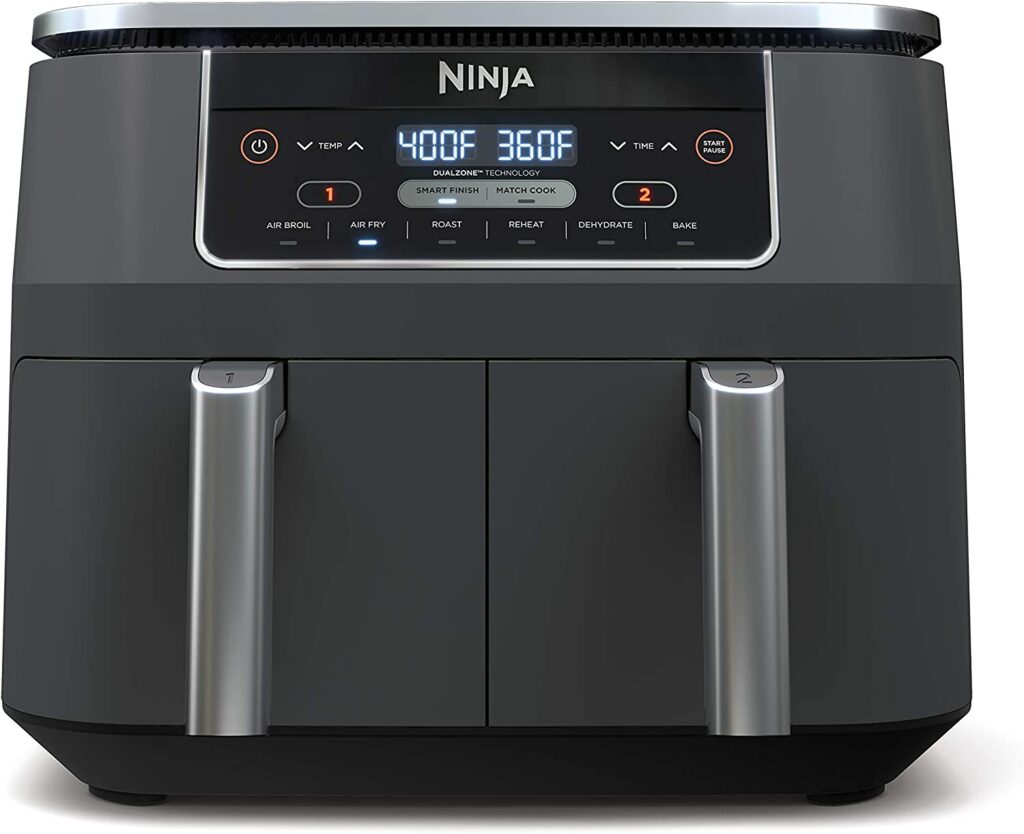
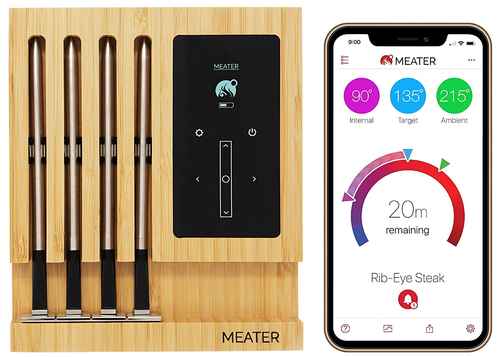
Air fryers have revolutionized home cooking by combining convenience, speed, and healthier cooking methods without sacrificing taste. Among the many foods that benefit from this appliance, frozen fish stands out as an exceptionally convenient and nutritious option. Whether it’s breaded cod, tilapia fillets, or salmon portions, cooking fish from frozen can often seem intimidating. How do you ensure the fish is cooked evenly, remains tender inside, and develops a perfectly crispy exterior? The key lies in understanding the right temperature, timing, and technique-an understanding that can elevate a simple frozen fillet into a restaurant-quality meal. This guide explores everything you need to know about cooking frozen fish in an air fryer, from optimal settings to expert tips that prevent common pitfalls.
Optimal Air Fryer Temperature To Cook Frozen Fish In Air Fryer
Temperature is one of the most critical factors in achieving a perfectly cooked fish. For most frozen fish fillets, an air fryer temperature of 390°F (200°C) is ideal. This heat is high enough to create a crispy, golden exterior without overcooking the delicate interior. Cooking at lower temperatures, like 350°F (175°C), will cook the fish more slowly and may result in soggy breading if the fish is pre-breaded. Conversely, extremely high temperatures, such as 420°F (215°C), risk burning the outer layer before the inside is thoroughly cooked.
It’s also essential to preheat your air fryer to ensure consistent results. Preheating creates an immediate cooking environment, allowing the exterior to crisp quickly while the inside cooks evenly.
How Long To Cook Frozen Fish In Air Fryer
Cooking time depends on the thickness of the fillet and whether the fish is breaded or plain. As a general guideline:
- Breaded fillets (cod, haddock, pollock): 12-15 minutes
- Plain, unbreaded fillets (salmon, tilapia): 10-12 minutes
- Extra-thick fillets (over 1 inch): 15-18 minutes
It’s best to flip the fillets halfway through cooking. This ensures even browning on both sides and prevents uneven cooking, which is a common problem when air frying frozen foods.
How To Tell If It Is Done
Checking doneness is crucial to avoid undercooked fish or dry, overcooked fillets. Key indicators include:
- Internal temperature: The safest and most accurate method. Fish should reach an internal temperature of 145°F (63°C).
- Flake test: Insert a fork gently into the thickest part of the fillet. Fully cooked fish will flake easily along natural lines, appearing opaque and moist rather than translucent.
- Visual cues: Breaded fillets should be golden brown and crisp. Plain fillets should have a slightly firm texture with no raw, translucent sections.
Ingredients Needed
Cooking frozen fish in an air fryer is remarkably simple, often requiring just a few items:
- Frozen fish fillets (breaded or plain)
- Optional oil spray (olive, avocado, or canola) for extra crispiness
- Salt and pepper to taste
- Optional seasonings: paprika, garlic powder, lemon zest, or dried herbs
Optional garnishes like lemon wedges, tartar sauce, or a sprinkle of fresh parsley can elevate the meal further.
How To Cook Frozen Fish In Air Fryer
- Preheat your air fryer to 390°F (200°C) for 3-5 minutes.
- Prepare the fish: Lightly spray both sides with oil if desired. Season with salt, pepper, or other preferred spices.
- Arrange the fillets in the air fryer basket in a single layer, leaving space between them for air circulation.
- Set the timer: For breaded fillets, cook 12-15 minutes; for plain fillets, cook 10-12 minutes.
- Flip halfway through to ensure even browning.
- Check for doneness: Use a thermometer or the flake test. Adjust time if necessary.
- Serve immediately for maximum crispiness.
What If I Use A Different Air Fryer Temperature?
- Lower temperatures (350-375°F / 175-190°C): Fish may cook unevenly and the coating may be less crispy. Increase cooking time slightly.
- Higher temperatures (400-420°F / 200-215°C): Exterior may brown too quickly, potentially leaving the interior undercooked. Reduce cooking time and monitor carefully.
Understanding your air fryer’s unique heating patterns is essential, as some models run hotter or cooler than others.
What If I Use A Different Air Fryer Cooking Time?
- Shorter time: Fish may remain undercooked and unsafe to eat. Always check internal temperature.
- Longer time: Fish will dry out, particularly lean fillets like cod or tilapia. Breaded coatings can become overly hard or burnt.
Adjusting time is less forgiving than adjusting temperature, so always rely on visual cues and internal temperature to guide you.
When Things Go Wrong
Even with experience, mistakes happen. Common issues include:
- Fish sticks together: Use parchment paper or arrange fillets with space between them.
- Uneven cooking: Flip fillets halfway and avoid overcrowding the basket.
- Soggy coating: Preheating the air fryer and lightly spraying with oil can prevent this.
- Overcooked fish: Lower the temperature slightly and shorten cooking time in future attempts.
Learning from these minor mishaps ensures that each batch improves.
Expert Tips
- Don’t thaw: Frozen fish cooks better directly from the freezer. Thawing can make it mushy.
- Single layer only: Overcrowding prevents air from circulating, resulting in uneven cooking.
- Use a light oil spray: Even a small amount enhances browning without adding excessive calories.
- Experiment with seasoning: Brush or spray fillets with lemon juice, paprika, or garlic before cooking for extra flavor.
- Check early: Every air fryer is different; start checking a minute or two before the suggested time.
FAQs
Can I Cook Frozen Fish Directly In An Air Fryer Without Thawing?
Yes, most frozen fish fillets can be cooked directly in the air fryer without thawing. The air fryer circulates hot air rapidly, allowing the fish to cook evenly from frozen. However, cooking times may be slightly longer compared to thawed fish.
What Temperature Should I Set My Air Fryer To For Frozen Fish?
A typical temperature for cooking frozen fish in an air fryer is 400°F (200°C). This temperature allows the fish to cook thoroughly while achieving a crispy exterior. Some thicker fillets may require slightly lower temperatures to prevent burning the outside before the inside is fully cooked.
How Long Does It Take To Cook Frozen Fish In An Air Fryer?
Cooking times vary based on the thickness and type of fish, but generally, frozen fish fillets take between 10 to 15 minutes at 400°F (200°C). It is recommended to flip the fillets halfway through the cooking time to ensure even crisping.
Do I Need To Add Oil When Cooking Frozen Fish In An Air Fryer?
Adding a light coat of oil can help the fish achieve a golden, crispy exterior, but it is not strictly necessary. If your frozen fish is breaded or pre-seasoned, it may already contain some oil, so you can skip additional oiling or use a minimal amount.
Should I Season Frozen Fish Before Cooking In An Air Fryer?
Yes, seasoning can enhance flavor. You can lightly season frozen fish with salt, pepper, and other spices. If the fish is breaded or pre-seasoned, additional seasoning may not be necessary. Avoid heavy marinades on frozen fish, as they can prevent proper crisping.
How Do I Ensure The Fish Cooks Evenly In An Air Fryer?
To cook frozen fish evenly, arrange fillets in a single layer without overlapping. Shake the basket or flip the fillets halfway through cooking. Thicker fillets may require an extra few minutes, and using a meat thermometer to ensure the internal temperature reaches 145°F (63°C) can guarantee doneness.
Can I Cook Different Types Of Frozen Fish Together In One Batch?
You can cook different types of frozen fish together, but it is best to choose fillets of similar thickness for even cooking. Thin fillets may overcook while thicker fillets finish. Adjust cooking time as needed and check each fillet for doneness before serving.