
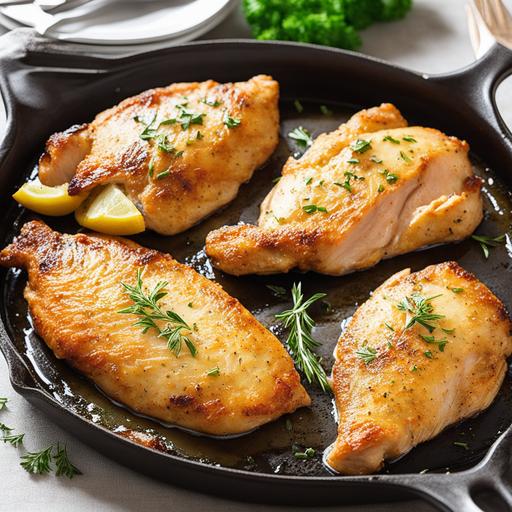
How To Cook Chicken Fillets In Air Fryer [FULL GUIDE]
Recommended Equipments:
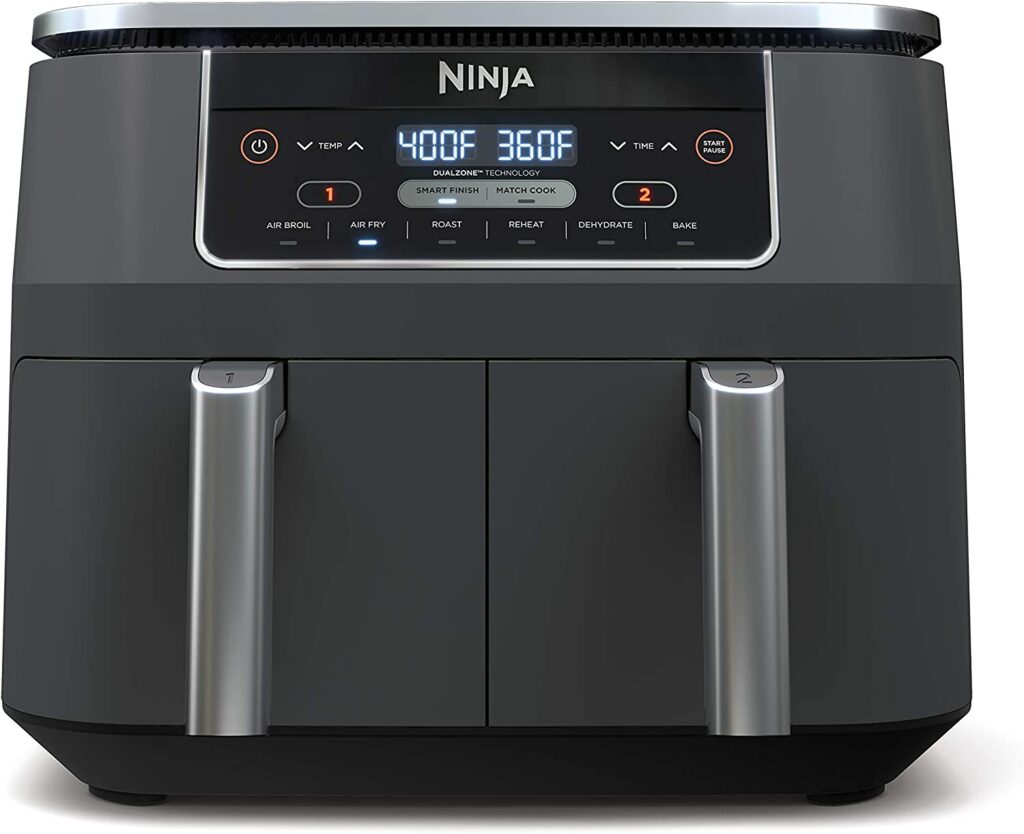
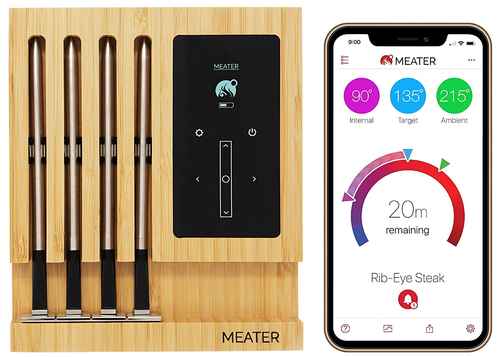
Air fryers have revolutionized home cooking by offering a method to achieve crispy, flavorful meals with minimal oil. Chicken fillets, a versatile and lean protein, are particularly suited to this appliance, allowing for a juicy interior and golden-brown exterior without deep-frying. Unlike conventional oven baking, air fryers use rapid circulation of hot air to cook food evenly and quickly, making them a favorite for busy households. Understanding the right temperature, timing, and techniques is essential to mastering perfectly cooked chicken fillets, whether you are aiming for a simple weeknight dinner or a sophisticated, restaurant-quality meal.
Optimal Air Fryer Temperature To Cook Chicken Fillets In Air Fryer
The key to tender, juicy chicken fillets lies in temperature control. For most air fryers, the ideal cooking temperature for chicken fillets is 180-200°C (350-400°F).
- Lower temperatures (around 180°C / 350°F) help retain moisture and prevent the fillets from drying out, especially if they are slightly thicker.
- Higher temperatures (around 200°C / 400°F) produce a crispier exterior faster but require careful timing to avoid overcooking the interior.
Temperature isn’t just about cooking speed-it directly affects texture. A too-low temperature can result in pale, unevenly cooked chicken, while a too-high temperature risks a dry, rubbery fillet. The optimal range ensures the perfect balance: golden-brown outside, succulent inside.
How Long To Cook Chicken Fillets In Air Fryer
Cooking time depends on the fillet’s thickness and whether it’s fresh or frozen. Here’s a guideline:
- Fresh, medium-thick fillets (1-1.5 cm / 0.4-0.6 in): 12-15 minutes at 180-200°C (350-400°F), flipping halfway through.
- Thicker fillets (2 cm / 0.8 in or more): 16-20 minutes at 180°C (350°F), flipping halfway through for even cooking.
- Frozen fillets: 20-25 minutes at 180-190°C (350-375°F), flipping halfway.
Timing should always be adjusted based on the fillet’s size, and the air fryer model-some cook faster or slower depending on air circulation.
How To Tell If It Is Done
Properly cooked chicken should reach an internal temperature of 75°C (165°F). Use a digital meat thermometer inserted into the thickest part of the fillet.
Visual cues also help:
- The juices should run clear when the fillet is pierced.
- The surface should be golden-brown and slightly firm to the touch.
- The interior should be opaque, without pink streaks.
Avoid slicing too early, as juices can escape, leading to a drier fillet.
Ingredients Needed
To make perfectly cooked chicken fillets in an air fryer, you will need:
- Chicken fillets (skinless or skin-on, depending on preference)
- Olive oil or cooking spray (optional for a crispier crust)
- Salt and black pepper
- Optional seasonings: garlic powder, paprika, onion powder, Italian herbs, lemon zest, or chili flakes
- Optional coating: breadcrumbs or panko for a crispy exterior
The beauty of air fryer chicken fillets lies in the flexibility-seasonings can be tailored to your taste, from simple and classic to bold and spicy.
How To Cook Chicken Fillets In Air Fryer
- Preheat the air fryer: Some models recommend preheating at 180°C (350°F) for 3-5 minutes.
- Prepare the fillets: Pat dry, brush lightly with oil or spray, and season evenly on both sides.
- Arrange in the basket: Lay fillets in a single layer with space around them for optimal air circulation.
- Cook: Air fry at 180-200°C (350-400°F) for the recommended time, flipping halfway.
- Check doneness: Use a thermometer and visual cues as described above.
- Rest: Let fillets rest for 3-5 minutes before serving to allow juices to redistribute.
What If I Use A Different Air Fryer Temperature?
Altering the temperature affects both cooking time and texture:
- Higher temperature: Faster cooking, crispier outside, risk of dry interior if not monitored.
- Lower temperature: Slower cooking, juicier fillet, less crisp exterior.
Adjust time accordingly-reducing temperature generally requires adding 2-5 minutes, while increasing temperature requires careful monitoring to avoid burning.
What If I Use A Different Air Fryer Cooking Time?
Cooking for too long or too short has obvious consequences:
- Undercooked: Fillets will be raw or partially raw inside, unsafe to eat, and may appear rubbery.
- Overcooked: Fillets become dry, tough, and less flavorful.
Always check internal temperature and adjust timing gradually for perfect results.
When Things Go Wrong
Common mistakes include:
- Dry chicken: Often due to high temperature or overcooking. Solution: lower temperature and monitor internal temperature.
- Uneven cooking: Caused by overcrowding the basket. Solution: cook in batches.
- Burnt exterior, raw interior: Indicates temperature too high for thick fillets. Solution: reduce temperature and extend cooking time.
Even with mistakes, air fryer cooking is forgiving-resting the fillets and slicing thinly can help salvage slightly overcooked pieces.
Expert Tips
- Uniform thickness: Pound fillets to even thickness for consistent cooking.
- Light coating: A small amount of oil enhances browning and texture.
- Season ahead: Marinating 30 minutes to a few hours enhances flavor and juiciness.
- Don’t overcrowd: Proper airflow is essential for crispiness.
- Use a thermometer: Prevents guesswork and ensures safety.
FAQs
What Is The Best Temperature To Cook Chicken Fillets In An Air Fryer?
The ideal temperature for cooking chicken fillets in an air fryer is typically 180°C (350°F) to 200°C (400°F). Cooking at this temperature ensures the chicken cooks evenly while retaining moisture. Thicker fillets may require slightly lower temperatures to avoid overcooking the outside before the inside is fully done.
How Long Should Chicken Fillets Be Cooked In An Air Fryer?
Cooking time depends on the thickness of the fillets. Generally, boneless, skinless fillets take 12-18 minutes, flipping halfway through. Thicker fillets may require up to 20 minutes. Always check that the internal temperature reaches 75°C (165°F) to ensure they are fully cooked.
Should I Marinate Chicken Fillets Before Air Frying?
Marinating chicken fillets is optional but recommended for added flavor and tenderness. A simple marinade with olive oil, lemon juice, garlic, and herbs can enhance taste. Allow at least 30 minutes of marination; overnight is even better for maximum flavor absorption.
Do I Need To Preheat The Air Fryer Before Cooking Chicken Fillets?
Preheating the air fryer is not strictly necessary, but it helps achieve a crispier exterior and ensures even cooking. Preheat for 3-5 minutes at the cooking temperature before placing the fillets inside.
Can I Cook Frozen Chicken Fillets In An Air Fryer?
Yes, frozen chicken fillets can be cooked in an air fryer. Increase the cooking time by about 5-8 minutes compared to fresh fillets, and flip them halfway through. Ensure the internal temperature reaches 75°C (165°F) for safe consumption.
How Can I Prevent Chicken Fillets From Drying Out In An Air Fryer?
To prevent dryness, lightly coat the fillets with oil or use a marinade before cooking. Avoid overcrowding the basket, as air circulation is crucial. Cooking at a moderate temperature and checking doneness with a meat thermometer can also help maintain juiciness.
Do I Need To Flip Chicken Fillets During Air Frying?
Yes, flipping chicken fillets halfway through the cooking process ensures even browning and crispiness on both sides. This is especially important for thicker fillets to avoid uneven cooking.