
How To Cook Red Snapper In Air Fryer [FULL GUIDE]
Recommended Equipments:
Red snapper is a culinary gem prized for its delicate, sweet flavor and tender, flaky texture. This versatile fish lends itself to a wide variety of preparations, but air frying has emerged as one of the most efficient, health-conscious, and flavor-preserving methods. Unlike deep frying, which can overwhelm the natural flavors with excessive oil, air frying creates a perfectly crisp exterior while maintaining the moist, buttery interior that makes red snapper so beloved. Air fryers, using rapid hot air circulation, mimic the frying effect without submerging the fish in fat, allowing you to achieve restaurant-quality results with minimal effort. Whether you’re preparing a quick weeknight meal or impressing guests with a gourmet fish dish, understanding the nuances of air frying red snapper ensures consistent, delicious outcomes every time.
Optimal Air Fryer Temperature To Cook Red Snapper In Air Fryer
Temperature control is crucial when cooking red snapper in an air fryer, as this delicate fish can easily overcook, turning dry and losing its signature flaky texture. The optimal temperature for air frying red snapper is typically 375°F (190°C). This temperature is high enough to create a golden, slightly crisp exterior without burning the fish, while gentle enough to cook the interior evenly.
Some chefs recommend slightly lower temperatures, around 350°F (177°C), for thicker fillets or whole fish, allowing for a more gradual cooking process that prevents the outer layer from drying before the center is fully cooked. Conversely, a slightly higher temperature of 400°F (204°C) can be used for thinner fillets to achieve a crispier finish more quickly, but it requires careful monitoring to avoid overcooking.
How Long To Cook Red Snapper In Air Fryer
Cooking time in an air fryer depends largely on the thickness of the fillet or whole fish and the chosen temperature. As a general rule:
- Fillets (1-inch thick): 10-12 minutes at 375°F (190°C).
- Thicker fillets (1.5-2 inches): 12-15 minutes at 375°F (190°C).
- Whole small red snapper (1-1.5 lbs): 15-20 minutes at 375°F (190°C).
It is important to flip fillets halfway through the cooking time to ensure even browning and consistent cooking on both sides. Overcrowding the basket can also extend the cooking time, as hot air cannot circulate efficiently.
How To Tell If It Is Done
The key to perfect red snapper lies in knowing when it is fully cooked without overdoing it:
- Visual cues: The fish should turn opaque, and the flesh should begin to flake easily along the natural lines of the fillet.
- Texture: Gently press the thickest part of the fish with a fork; it should feel firm but yield slightly under pressure.
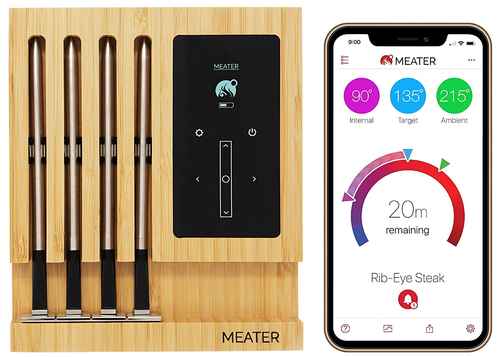
- Internal temperature: For food safety and optimal taste, the internal temperature should reach 145°F (63°C).
- Juice clarity: If you pierce the fish with a fork, the juices should run clear, not milky or translucent.
Avoid relying solely on cooking time; checking these signs ensures the best texture and flavor.
Ingredients Needed
Here’s a simple yet flavorful ingredient list for air-fried red snapper:
- 2 red snapper fillets (around 6-8 oz each)
- 1-2 tablespoons olive oil or melted butter
- 1 teaspoon paprika (smoked or sweet, depending on preference)
- 1 teaspoon garlic powder
- ½ teaspoon onion powder
- ½ teaspoon sea salt (adjust to taste)
- ¼ teaspoon black pepper
- Optional: lemon wedges, fresh parsley, or cilantro for garnish
For a light variation, you can also add a sprinkle of cayenne pepper for heat or a pinch of dried thyme or oregano for herbal undertones.
How To Cook Red Snapper In Air Fryer
- Preheat the air fryer: Set to 375°F (190°C) for 3-5 minutes.
- Prepare the fish: Pat the fillets dry with a paper towel. Brush both sides lightly with olive oil or melted butter. Season evenly with paprika, garlic powder, onion powder, salt, and pepper.
- Arrange in basket: Place fillets in a single layer in the air fryer basket, skin-side down if the skin is on. Ensure they do not overlap.
- Cook: Air fry at 375°F (190°C) for 10-12 minutes for standard fillets, flipping halfway through. For whole small red snapper, cook 15-20 minutes without flipping.
- Check for doneness: Use a fork to test for flakiness and confirm the internal temperature reaches 145°F (63°C).
- Serve: Garnish with lemon wedges and fresh herbs for a fresh, aromatic finish.
What If I Use A Different Air Fryer Temperature?
Adjusting the temperature significantly affects the texture and moisture of the red snapper:
- Lower temperatures (325-350°F / 163-177°C): Slower cooking preserves moisture but may not achieve a crispy exterior unless cooked longer. Ideal for thicker fillets or whole fish.
- Higher temperatures (400-425°F / 204-218°C): Faster cooking and a crispier surface, but with a higher risk of overcooking or drying out the flesh. Requires vigilant timing and monitoring.
What If I Use A Different Air Fryer Cooking Time?
Cooking time directly correlates with texture and doneness:
- Shorter cooking times: The fish may be undercooked, with a raw, translucent interior. Undercooked red snapper is unsafe to eat.
- Longer cooking times: Even at the correct temperature, overcooking can lead to dry, tough fillets with a loss of delicate flavor. Monitoring doneness indicators (flakiness, internal temperature) is critical.
Always adjust based on fillet thickness and air fryer brand, as performance can vary.
When Things Go Wrong
Even experienced cooks face challenges with air fryer fish:
- Dry fish: Usually caused by excessive temperature or overcooking. Reduce temperature or shorten cooking time next time.
- Uneven cooking: Could result from overcrowding the basket or inconsistent air circulation. Cook in smaller batches.
- Burnt exterior, raw interior: Often happens when cooking thick fillets at high temperatures. Lower the temperature and increase cooking time for even results.
- Sticking to the basket: Lightly brush the basket with oil or use parchment paper to prevent sticking.
Expert Tips
- Dry thoroughly: Pat fish dry to ensure a crisp exterior. Moisture is the enemy of crispiness.
- Uniform thickness: Trim fillets for even cooking. Uneven fillets cook inconsistently.
- Flip halfway: Promotes even browning, especially for fillets.
- Season generously: Red snapper has a mild flavor that benefits from spices and citrus.
- Monitor closely: Air fryers cook faster than ovens, and timing can vary between models. Keep an eye on your first few attempts.
- Experiment with marinades: A light herb or citrus marinade can enhance flavor without compromising texture.
FAQs
What Temperature Should I Set My Air Fryer To Cook Red Snapper?
For cooking red snapper in an air fryer, preheat the device to 375°F (190°C). This temperature ensures the fish cooks evenly without drying out, producing a tender, flaky texture with a lightly crisp exterior.
How Long Does It Take To Cook Red Snapper In An Air Fryer?
Cooking red snapper fillets in an air fryer typically takes 10-12 minutes. Whole red snapper may require 15-20 minutes, depending on size. Check doneness by ensuring the internal temperature reaches 145°F (63°C) and the flesh flakes easily with a fork.
Should I Season The Red Snapper Before Air Frying?
Yes, seasoning is recommended. Pat the fish dry and season with salt, pepper, garlic, paprika, or other preferred spices. Lightly brushing with olive oil or spraying with cooking spray can enhance browning and prevent sticking.
Do I Need To Flip The Red Snapper During Air Frying?
For fillets, flipping halfway through cooking helps achieve even crispiness on both sides. Whole fish can be cooked without flipping if the air fryer has strong circulating airflow, but flipping can improve uniform browning.
Can I Cook Frozen Red Snapper In The Air Fryer?
Yes, frozen red snapper fillets can be cooked directly in the air fryer. Increase the cooking time by 3-5 minutes and ensure the fish is fully thawed internally, reaching an internal temperature of 145°F (63°C).
Do I Need To Use Oil When Cooking Red Snapper In An Air Fryer?
Using a small amount of oil is optional but recommended for crispiness and flavor. Lightly brushing or spraying the fish with oil prevents sticking and helps the exterior brown, but excessive oil is unnecessary.
How Do I Prevent The Red Snapper From Drying Out In The Air Fryer?
To prevent dryness, avoid overcooking by monitoring the internal temperature. Use a light coating of oil, cook at a moderate temperature (around 375°F / 190°C), and consider marinating or adding a thin layer of lemon juice or butter to retain moisture.