
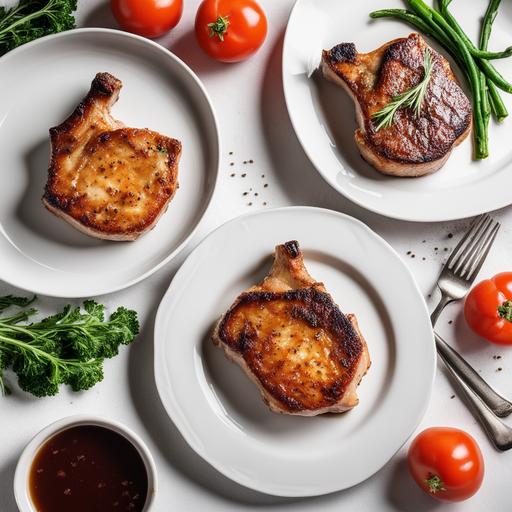
How To Make Crispy Pork Chops In Air Fryer [FULL GUIDE]
Recommended Equipments:
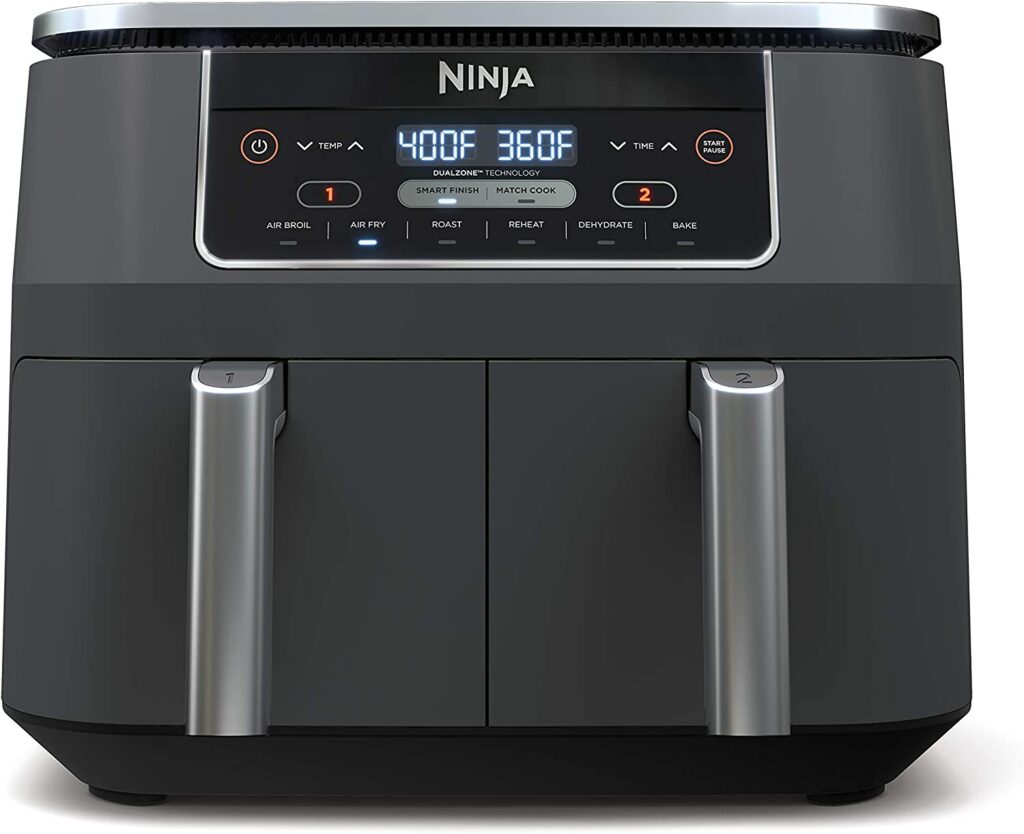
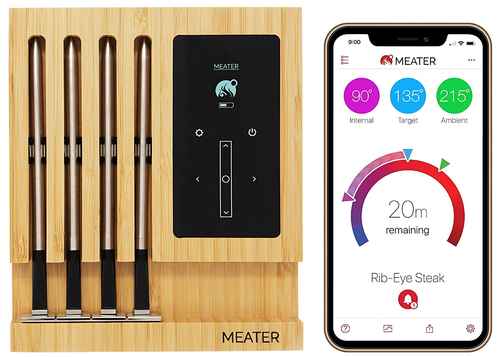
Air fryers have revolutionized home cooking, offering a way to achieve the crispy, golden-brown perfection of fried foods without submerging them in oil. Among the many delights you can prepare, pork chops stand out as a particularly satisfying choice. Juicy, tender, and full of flavor, pork chops can easily become a household favorite when cooked correctly in an air fryer. The key lies in understanding the interplay between temperature, cooking time, and preparation technique to achieve a crispy exterior while keeping the inside succulent. This guide dives deep into mastering crispy pork chops in an air fryer, ensuring every bite is a delicious triumph.
Optimal Air Fryer Temperature To Make Crispy Pork Chops In Air Fryer
Temperature control is crucial when air frying pork chops. The ideal temperature balances a crispy crust with a juicy interior. Most recipes recommend 400°F (204°C) for bone-in or thick-cut pork chops. This temperature allows the Maillard reaction-a chemical process that creates browning and enhances flavor-to occur without overcooking the inside. For thinner chops, slightly lower temperatures, around 375°F (190°C), can help prevent drying. Preheating the air fryer ensures even cooking and a perfectly crisp exterior. Remember, different air fryer models may have slight variations in heat distribution, so a thermometer or visual cues can help adjust as needed.
How Long To Make Crispy Pork Chops In Air Fryer
Cooking time is just as critical as temperature. For average ¾- to 1-inch thick pork chops, 12-15 minutes is typically sufficient, flipping halfway through. Thicker bone-in chops may require 15-18 minutes. Thinner cuts can be done in as little as 10 minutes. The air fryer’s circulating hot air ensures quick browning, but timing is crucial to avoid drying out the pork. Always allow some leeway and check the internal temperature with a meat thermometer, rather than relying solely on time.
How To Tell If It Is Done
The most reliable method is using a meat thermometer. Pork should reach an internal temperature of 145°F (63°C) for medium doneness, followed by a 3-minute rest period. If you cut into the meat, it should be slightly pink in the center but juicy, not raw or gray. The exterior should be a deep golden brown, with a satisfying crispiness when you bite into it. If you notice that the pork chop has browned too quickly but the inside isn’t done, reduce the temperature slightly and continue cooking for a few minutes.
Ingredients Needed
To make perfectly crispy pork chops in an air fryer, you’ll need:
- 2-4 pork chops (bone-in or boneless, about ¾-1 inch thick)
- 1-2 tablespoons olive oil or melted butter
- ½ cup breadcrumbs or panko for extra crispiness
- ½ teaspoon garlic powder
- ½ teaspoon onion powder
- ½ teaspoon smoked paprika or regular paprika
- Salt and freshly ground black pepper, to taste
- Optional: Parmesan cheese, fresh herbs like rosemary or thyme for extra flavor
How To Make Crispy Pork Chops In Air Fryer
- Prep the pork chops: Pat them dry with paper towels to remove excess moisture-this is essential for crispiness.
- Season: Brush lightly with olive oil or melted butter. Mix the breadcrumbs with spices, and coat the pork chops evenly.
- Preheat the air fryer: 3-5 minutes at 400°F (204°C).
- Air fry: Place pork chops in a single layer, leaving space for air to circulate. Cook for 6-8 minutes, then flip and continue for another 6-8 minutes.
- Check doneness: Insert a meat thermometer into the thickest part. When it reads 145°F (63°C), remove the chops.
- Rest: Let the pork chops rest for 3 minutes before serving to lock in juices.
What If I Use A Different Air Fryer Temperature?
Changing the temperature affects both texture and juiciness.
- Higher temperature (>400°F / 204°C): Pork chops brown faster, but the risk of a dry interior increases. You may need to reduce cooking time slightly.
- Lower temperature (<375°F / 190°C): Results in juicier meat but less crispiness. You may need to extend cooking time and perhaps finish with a short burst at a higher temperature to achieve a golden crust.
What If I Use A Different Air Fryer Cooking Time?
Adjusting cooking time without considering temperature can lead to undercooked or dry pork chops.
- Shorter time: The exterior may remain soft and the meat undercooked. Always check the internal temperature before serving.
- Longer time: Overcooking can dry out the pork, even if it looks perfectly browned. Resting the meat after cooking can help slightly, but overdone chops cannot be fully rescued.
When Things Go Wrong
Even with precise instructions, mistakes can happen:
- Pork chops are dry: Likely overcooked or too thin. Reduce cooking time or thickness next time, or marinate to add moisture.
- Exterior isn’t crispy: Could be due to excess moisture or overcrowding in the basket. Dry thoroughly and leave space between chops.
- Uneven cooking: Some air fryer models have hot spots. Rotate the basket or rearrange halfway through cooking.
Expert Tips
- Dry rubs and breadcrumbs: Use panko breadcrumbs for the crunchiest exterior; mix with Parmesan for added flavor.
- Brining: Soaking chops in a simple saltwater brine for 30 minutes enhances juiciness.
- Flip halfway: Ensures even browning on both sides.
- Oil lightly: Too much oil can make the crust greasy; too little prevents crisping.
- Rest before cutting: Resting allows juices to redistribute, keeping pork tender and moist.
FAQs
What Type Of Pork Chops Is Best For Making Crispy Pork Chops In An Air Fryer?
Bone-in pork chops with some marbling are ideal because the bone helps retain moisture during cooking, and the fat ensures the meat stays juicy. Boneless chops can also be used but may require careful monitoring to prevent overcooking.
How Do I Season Pork Chops For The Crispiest Result In An Air Fryer?
A combination of salt, pepper, garlic powder, onion powder, and paprika works well. For extra crispiness, lightly coat the chops in flour or breadcrumbs, optionally mixed with grated Parmesan. Ensure the seasoning evenly coats all sides for consistent texture.
Do I Need To Preheat The Air Fryer Before Cooking Pork Chops?
Yes, preheating ensures the air fryer reaches the optimal cooking temperature, allowing the pork chops to sear and develop a crispy crust immediately. Preheat for 3-5 minutes at the target cooking temperature, usually around 400°F (200°C).
What Is The Ideal Cooking Temperature And Time For Air-fried Pork Chops?
Cook pork chops at 400°F (200°C) for 12-15 minutes, flipping halfway through. Cooking time may vary depending on the thickness of the chops, so it’s best to use a meat thermometer to check that the internal temperature reaches 145°F (63°C).
How Can I Ensure The Pork Chops Stay Juicy While Becoming Crispy?
Avoid overcrowding the air fryer basket, as this can trap steam and prevent crisping. Pat the pork chops dry before seasoning and consider brushing lightly with oil. Rest the cooked chops for a few minutes before serving to allow juices to redistribute.
Can I Use A Marinade On Pork Chops For Air Frying?
Yes, but choose marinades that are not overly watery, as excess liquid can prevent crispiness. A short marinade of 30 minutes to 1 hour is sufficient, and it’s best to pat the chops dry before coating with breadcrumbs or seasoning for optimal texture.
Do I Need To Flip Pork Chops Halfway Through Cooking In An Air Fryer?
Yes, flipping halfway through ensures even cooking and browning on both sides. This step is especially important for thicker chops to maintain uniform crispiness and avoid uneven cooking.