
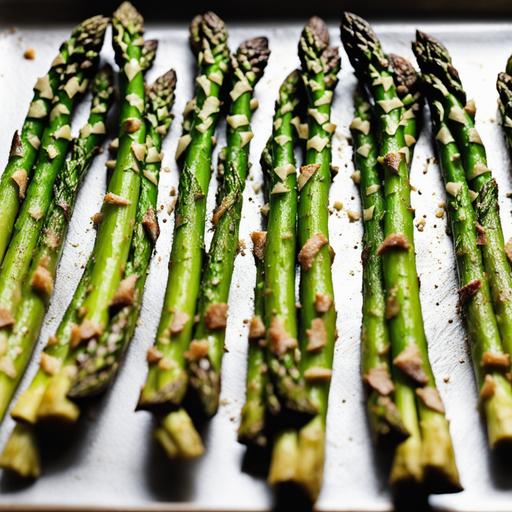
How To Cook Frozen Asparagus In Air Fryer [FULL GUIDE]
Recommended Equipments:
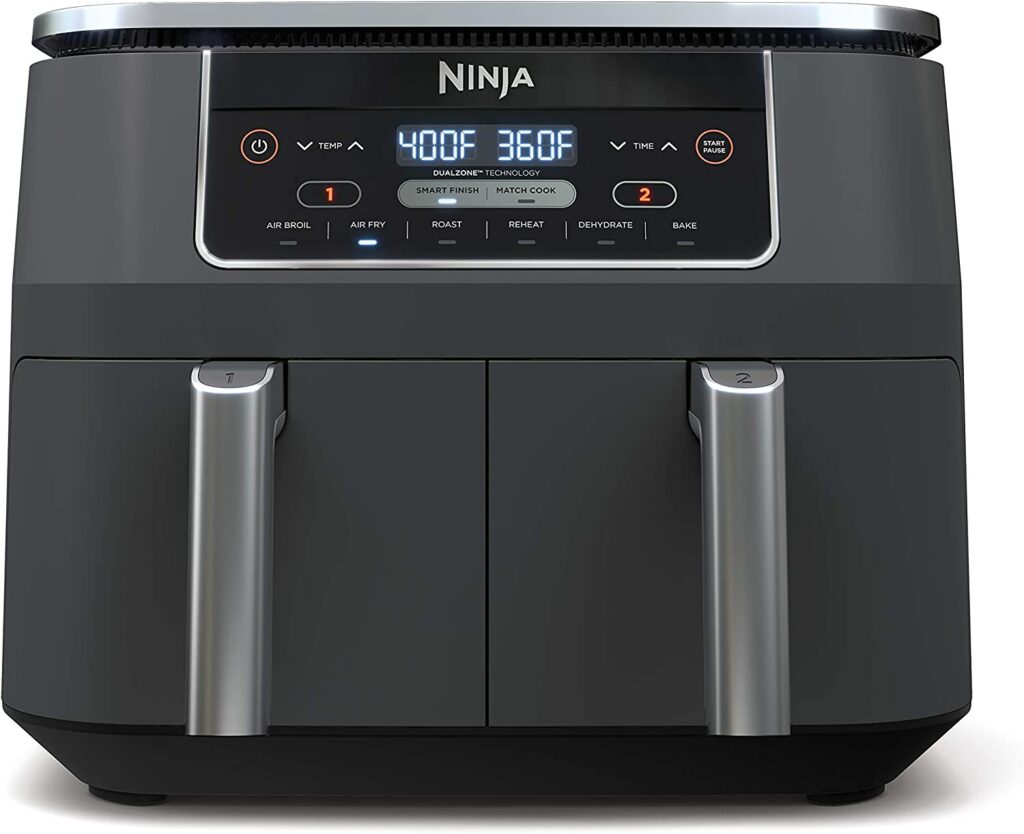
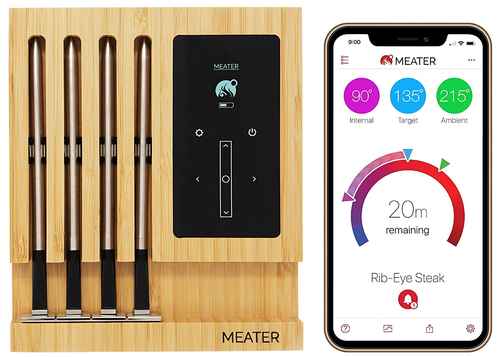
Frozen asparagus is an incredibly convenient pantry staple, offering the same nutritional benefits as fresh asparagus while being available year-round. Rich in fiber, vitamins A, C, E, and K, as well as folate and antioxidants, asparagus is both a healthy and versatile vegetable. While boiling or steaming frozen asparagus is common, the air fryer has revolutionized how we cook vegetables, producing crispy, caramelized exteriors with tender interiors in a fraction of the time and without excess oil. Air frying frozen asparagus not only preserves its nutrients but also enhances its natural flavors, making it an ideal side dish or addition to salads, pastas, and grain bowls.
Optimal Air Fryer Temperature To Cook Frozen Asparagus In Air Fryer
Temperature control is the cornerstone of perfect air-fried asparagus. For frozen asparagus, the ideal temperature is 400°F (204°C). This high heat allows the asparagus to roast quickly, encouraging a slightly crispy exterior while ensuring the inside cooks through evenly. Cooking at lower temperatures, such as 350°F (177°C), can result in limp or unevenly cooked asparagus, as frozen spears release moisture more slowly. Conversely, temperatures above 425°F (218°C) risk scorching the asparagus tips before the stems are fully tender. Maintaining a consistent 400°F is key to achieving that delicate balance of crispiness and tenderness.
How Long To Cook Frozen Asparagus In Air Fryer
Cooking time depends on the thickness of the asparagus spears, but generally, frozen asparagus cooks perfectly in 8-12 minutes. Thin spears may only require 8 minutes, whereas thicker spears can need up to 12 minutes. Shaking the basket halfway through cooking ensures even heat distribution and prevents uneven browning. Unlike thawed or fresh asparagus, frozen asparagus may release more water during cooking, so keeping an eye on it in the last few minutes is essential to avoid sogginess.
How To Tell If It Is Done
Visual cues and texture are the most reliable indicators that frozen asparagus is done:
- Color: The asparagus should be a vibrant, deep green. Any dullness can indicate undercooking.
- Tenderness: Insert a fork or knife into the thickest part of the spear. It should pierce easily without collapsing.
-
Crispiness: The tips may have slight browning and a delicate crisp. If they remain pale or soggy, the asparagus needs more time.
Avoid relying solely on cooking time; the asparagus’s thickness and moisture content can affect doneness.
Ingredients Needed
Cooking frozen asparagus in an air fryer requires minimal ingredients:
- 1 pound of frozen asparagus spears
- 1-2 tablespoons of olive oil (or your preferred cooking oil)
- Salt, to taste
- Black pepper, to taste
- Optional seasonings: garlic powder, lemon zest, crushed red pepper, Parmesan cheese
The simplicity of these ingredients highlights the asparagus’s natural flavor while giving flexibility for additional seasonings based on personal preference.
How To Cook Frozen Asparagus In Air Fryer
- Preheat the Air Fryer: Preheat your air fryer to 400°F (204°C) for 3-5 minutes.
- Prepare the Asparagus: Toss the frozen asparagus in olive oil, salt, pepper, and any optional seasonings. Ensure each spear is lightly coated for even cooking.
- Arrange in Basket: Lay the asparagus in a single layer in the air fryer basket. Avoid overcrowding to allow hot air circulation.
- Air Fry: Cook for 8-12 minutes, shaking or flipping the asparagus halfway through. Check for doneness at the 8-minute mark.
- Serve: Once tender and lightly crispy, remove from the basket. Serve immediately for optimal texture, optionally finishing with a squeeze of lemon or a sprinkle of Parmesan.
What If I Use A Different Air Fryer Temperature?
- Lower Temperature (350°F / 177°C): Cooking will take longer, usually 12-15 minutes, and may result in softer asparagus with less crispness. This is ideal if you prefer a more tender, less roasted texture.
- Higher Temperature (425°F / 218°C): Asparagus will cook faster (6-8 minutes), but tips may burn before the stems are tender. Use this only if you monitor closely.
What If I Use A Different Air Fryer Cooking Time?
- Shorter Time (<8 minutes): The asparagus will be undercooked, possibly icy in the middle, with little flavor development.
- Longer Time (>12 minutes): Risk of overcooking, leading to mushy spears and burnt tips. If your asparagus is very thick, incrementally extend the time in 1-2 minute intervals while checking doneness.
When Things Go Wrong
Even with an air fryer, cooking frozen asparagus isn’t foolproof:
- Soggy asparagus: Likely caused by overcrowding the basket or not using enough heat. Cook in smaller batches and shake halfway through.
- Burnt tips: High temperature or thin spears can overcook quickly. Reduce temperature slightly or remove thinner tips early.
- Uneven cooking: Ensure the asparagus spears are similar in size and arranged in a single layer to allow hot air to circulate evenly.
Expert Tips
- Dry Before Oil: Pat frozen asparagus lightly with a paper towel to reduce excess moisture before tossing with oil.
- Use Spray Oil: A light spray ensures even coating without drenching the asparagus, preventing sogginess.
- Shake Often: For maximum crispiness, shake the basket every 3-4 minutes.
- Season After Cooking: While oil and salt can go on before cooking, delicate seasonings like Parmesan or lemon zest are best added after to preserve flavor and texture.
- Batch Cooking: For larger quantities, cook in two smaller batches rather than overcrowding the basket.
FAQs
Can You Cook Frozen Asparagus Directly In An Air Fryer?
Yes, frozen asparagus can be cooked directly in an air fryer without thawing. Air frying is convenient because it crisps the asparagus while retaining nutrients. For best results, toss the frozen spears lightly in oil and seasoning before cooking.
What Temperature Should I Use To Cook Frozen Asparagus In An Air Fryer?
Set the air fryer to 400°F (200°C). This temperature ensures that the asparagus cooks evenly, develops a slight crisp on the edges, and avoids becoming soggy.
How Long Does It Take To Cook Frozen Asparagus In An Air Fryer?
Cooking frozen asparagus usually takes 8-12 minutes, depending on the thickness of the spears and your desired level of crispness. Shake or toss the basket halfway through cooking for even results.
Do I Need To Add Oil When Cooking Frozen Asparagus In An Air Fryer?
While not strictly necessary, adding a small amount of oil (about 1 teaspoon per 8 ounces of asparagus) helps enhance flavor and encourages browning. You can also spray the asparagus lightly with cooking spray as a lower-fat option.
Should I Season Frozen Asparagus Before Air Frying?
Yes, seasoning before air frying is recommended. Simple options include salt, pepper, garlic powder, or paprika. You can also toss the asparagus with lemon juice, Parmesan, or herbs after cooking for added flavor.
How Can I Prevent Frozen Asparagus From Becoming Soggy In The Air Fryer?
To avoid sogginess, avoid overcrowding the air fryer basket. Shake the basket halfway through cooking, and consider lightly patting the asparagus dry if it has excess ice crystals before adding oil and seasoning.
Can I Reheat Leftover Air-fried Frozen Asparagus?
Yes, leftover asparagus can be reheated in the air fryer. Set the temperature to 350°F (175°C) and heat for 3-5 minutes until warmed through. This method helps retain some crispness compared to microwaving.