
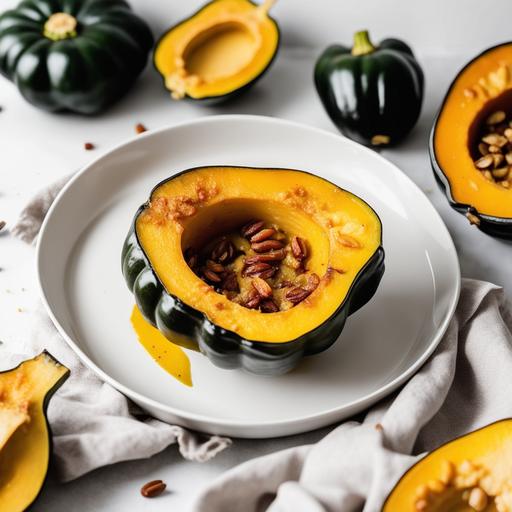
How To Cook Acorn Squash In Air Fryer [FULL GUIDE]
Recommended Equipments:
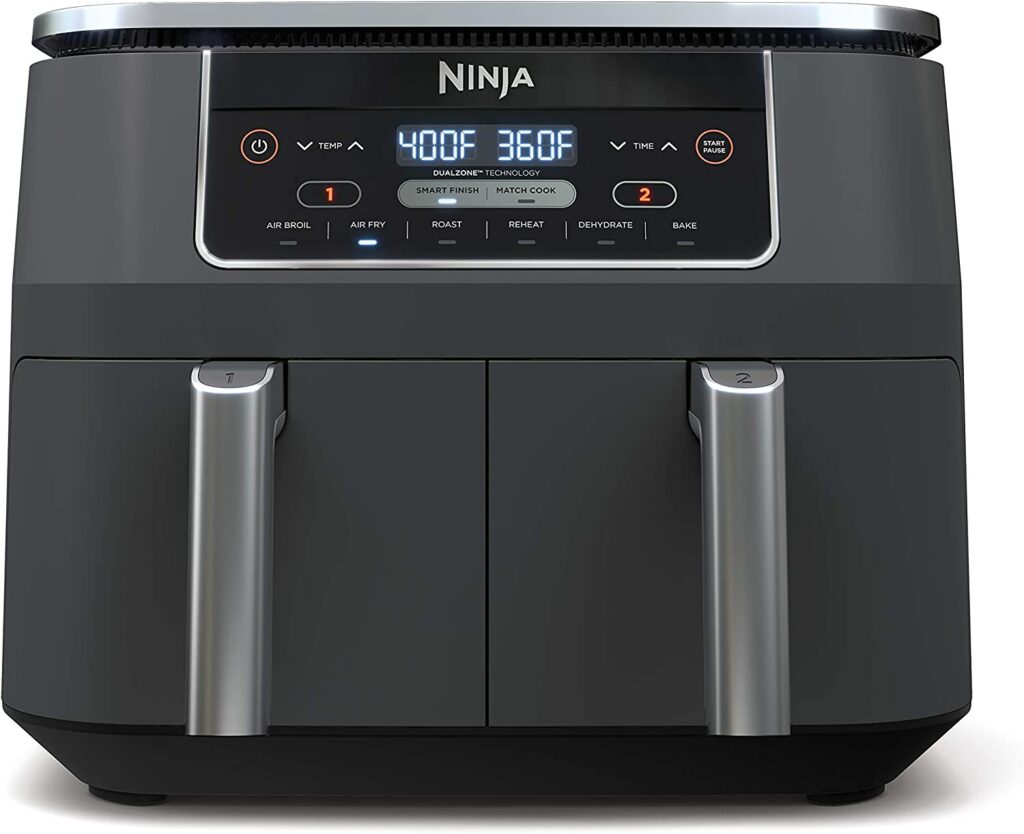
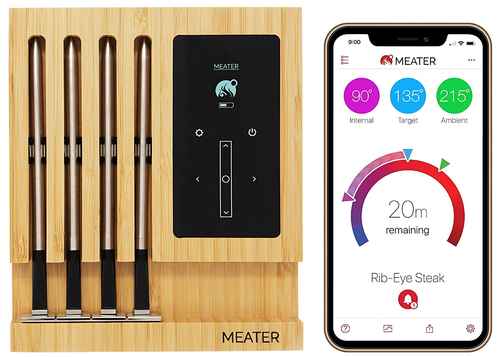
Acorn squash is a small, round winter squash, prized for its sweet, nutty flavor and smooth, tender flesh. Its vibrant orange interior is not only visually appealing but also packed with vitamins A and C, fiber, and antioxidants. While traditionally roasted in the oven, the air fryer has emerged as a game-changing tool for preparing acorn squash. Using an air fryer accelerates cooking, enhances caramelization, and creates a perfectly tender texture without the need for excessive oil. Cooking acorn squash in an air fryer allows for a golden, slightly crispy exterior while keeping the inside luxuriously soft, making it ideal for both side dishes and main courses.
Optimal Air Fryer Temperature To Cook Acorn Squash In Air Fryer
The ideal air fryer temperature for acorn squash typically falls between 375°F and 400°F (190°C-205°C). This temperature range ensures that the flesh softens evenly while the natural sugars in the squash caramelize, producing a slightly sweet, roasted flavor. Temperatures lower than 375°F may result in uneven cooking or a mushy texture, while temperatures higher than 400°F can risk over-browning the edges before the interior is fully cooked. For the best balance of caramelization and tenderness, 390°F (199°C) is often considered the sweet spot for most air fryers.
How Long To Cook Acorn Squash In Air Fryer
Cooking time depends on the size of the squash and whether it is halved, quartered, or cubed:
- Halved squash: 20-25 minutes
- Quartered squash: 15-20 minutes
- Cubed squash: 12-15 minutes
It’s important to note that air fryers can vary in efficiency, so checking doneness a few minutes before the suggested time can prevent overcooking.
How To Tell If It Is Done
Determining if acorn squash is fully cooked requires attention to both texture and appearance:
- Fork test: Insert a fork into the thickest part of the squash. It should slide in easily with little resistance.
- Appearance: The edges should be slightly caramelized and golden brown, and the flesh should appear soft and moist rather than dry or stringy.
- Taste test: The flesh should be tender, sweet, and nutty with a smooth texture. Undercooked squash may taste starchy and firm.
Ingredients Needed
The beauty of acorn squash is its simplicity. You only need a few basic ingredients:
- 1 medium acorn squash
- 1-2 tablespoons olive oil or melted butter
- Salt, to taste
- Optional: black pepper, cinnamon, nutmeg, brown sugar, or maple syrup for enhanced sweetness
How To Cook Acorn Squash In Air Fryer
- Prepare the squash: Wash the acorn squash thoroughly. Cut it in half lengthwise and scoop out the seeds and fibrous strands. If desired, cut into quarters for faster cooking.
- Season: Brush the flesh lightly with olive oil or melted butter. Sprinkle with salt and any optional spices or sweeteners.
- Preheat the air fryer: Preheat to 390°F (199°C) for 3-5 minutes.
- Cook: Place the squash halves or quarters in the air fryer basket, flesh side up. Ensure they are not overlapping.
- Air fry: Cook for 20-25 minutes (halves) or 15-20 minutes (quarters), flipping once halfway if desired for even browning.
- Check doneness: Use the fork test and visual cues to confirm tenderness.
- Serve: Allow to cool slightly, then serve as is, or drizzle with additional butter, maple syrup, or a sprinkle of cinnamon.
What If I Use A Different Air Fryer Temperature?
Using a temperature lower than 375°F will slow down cooking, potentially resulting in unevenly softened squash or an extended cooking time. Conversely, temperatures above 400°F can brown the surface too quickly, leaving the interior undercooked. Adjusting temperature should always be accompanied by careful monitoring of the squash, and you may need to extend or shorten the cooking time accordingly.
What If I Use A Different Air Fryer Cooking Time?
Cooking for too little time will yield firm, undercooked squash that is starchy and difficult to scoop. Cooking for too long can dry out the flesh or over-caramelize the edges. The best approach is to use the suggested times as a guideline and check the squash with a fork a few minutes early to ensure perfect tenderness.
When Things Go Wrong
- Undercooked squash: If the flesh is still firm after the recommended cooking time, return it to the air fryer for 3-5 minute increments until tender.
- Overcooked squash: Dry or overly soft squash is usually caused by too high a temperature or cooking too long. Try reducing temperature slightly next time and checking earlier.
- Uneven cooking: Make sure squash pieces are similar in size and not crowded in the air fryer basket. Consider flipping or rotating for uniform results.
Expert Tips
- Uniform size: Cut squash evenly to ensure consistent cooking.
- Light oil coating: Prevents sticking and enhances caramelization.
- Preheating matters: A preheated air fryer promotes even cooking and browning.
- Flavor boosters: A dash of maple syrup, brown sugar, or spices like cinnamon and nutmeg elevates natural sweetness.
- Airflow is key: Avoid stacking squash pieces; air circulation ensures optimal roasting.
- Experiment with toppings: After air frying, try crumbled feta, toasted nuts, or a drizzle of balsamic glaze.
FAQs
How Do I Prepare Acorn Squash For The Air Fryer?
Start by washing the acorn squash thoroughly. Cut it in half lengthwise and scoop out the seeds and stringy pulp with a spoon. You can leave the skin on, as it becomes tender when cooked. Optionally, you can slice it into wedges or cubes depending on your desired cooking method.
Do I Need To Peel The Acorn Squash Before Air Frying?
No, peeling is not necessary. The skin is edible and becomes soft enough to eat once the squash is cooked in the air fryer. Leaving the skin on also helps the squash hold its shape and makes handling easier.
What Temperature Should I Set The Air Fryer For Acorn Squash?
Preheat your air fryer to 375°F (190°C). This temperature allows the squash to cook evenly and develop a slightly caramelized surface without burning.
How Long Does It Take To Cook Acorn Squash In The Air Fryer?
Cooking time varies depending on the size and cut of the squash. Halved acorn squash usually takes 20-25 minutes, while smaller wedges or cubes may take 12-15 minutes. Check for tenderness by inserting a fork; the squash should pierce easily.
Should I Season Acorn Squash Before Air Frying?
Yes, seasoning enhances flavor. Common options include olive oil, salt, pepper, cinnamon, or brown sugar. Coat the squash evenly with your chosen seasonings before placing it in the air fryer basket for optimal taste and caramelization.
Can I Cook Frozen Acorn Squash In The Air Fryer?
It is possible, but fresh squash is recommended for the best texture and flavor. If using frozen squash, thaw it first to avoid uneven cooking. You may need to increase the cooking time slightly to ensure it cooks through.
How Do I Store Leftover Air-fried Acorn Squash?
Allow the squash to cool completely, then transfer it to an airtight container. Store in the refrigerator for up to 3-4 days. Reheat in the air fryer or microwave before serving, and avoid reheating multiple times to maintain texture and flavor.