
How To Make Pancake In Air Fryer [FULL GUIDE]
Recommended Equipments:
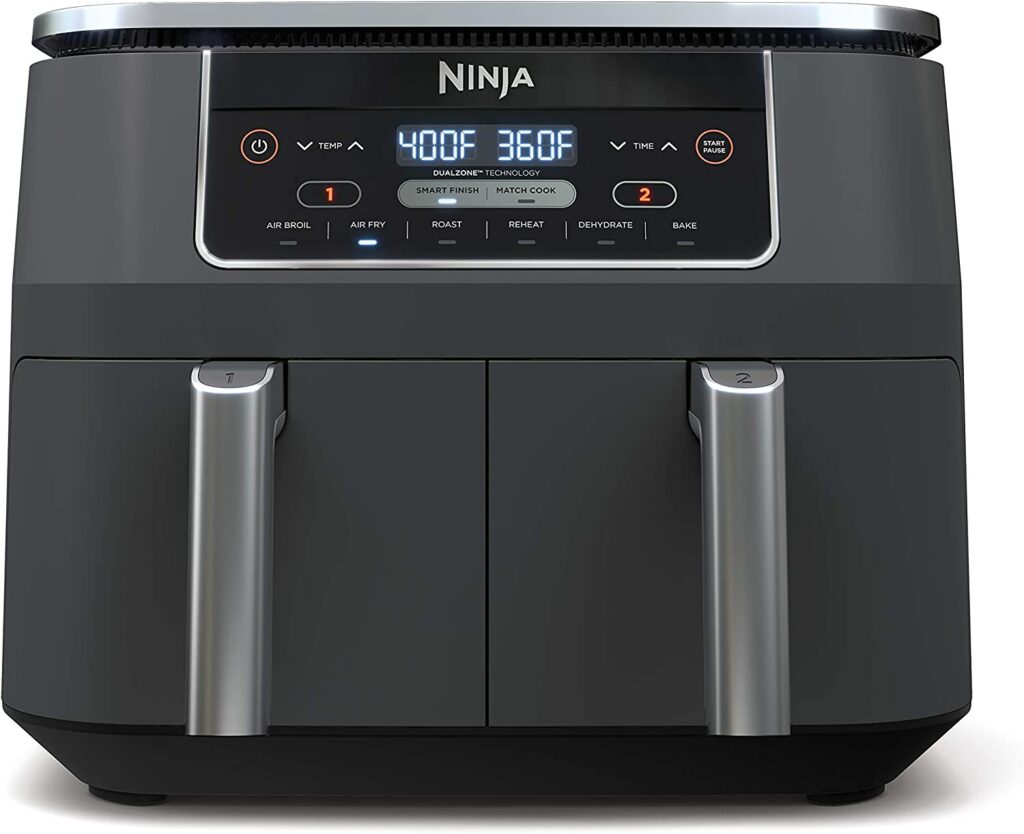
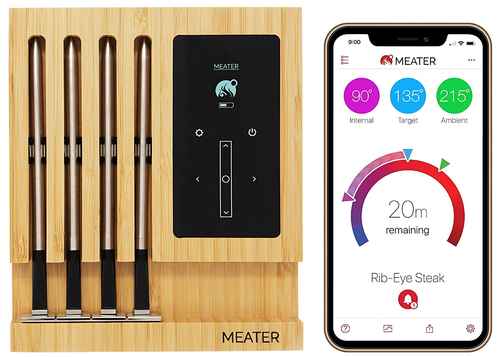
Pancakes are a beloved breakfast staple, celebrated for their fluffy texture, comforting warmth, and versatility in flavor. Traditionally prepared on stovetops or griddles, pancakes can now be made effortlessly in an air fryer, transforming breakfast preparation into a quick, convenient, and mess-free experience. Air fryers, known for their rapid hot-air circulation, cook food evenly while reducing the need for excess oil, making them an ideal tool for creating pancakes that are golden on the outside yet tender and soft on the inside. Mastering the art of air fryer pancakes requires understanding temperature, timing, and the nuances of batter preparation. With the right approach, anyone can enjoy perfectly cooked pancakes that rival traditional methods.
Optimal Air Fryer Temperature To Make Pancakes In Air Fryer
Temperature is one of the most critical factors in achieving perfectly cooked pancakes. Air fryers cook by circulating hot air rapidly around the food, meaning high temperatures can quickly brown the outside while leaving the inside undercooked.
For pancakes, the ideal temperature is around 350°F (175°C). This temperature ensures that the pancake cooks evenly, forming a lightly golden crust while maintaining a soft, fluffy interior. Setting the temperature higher than 375°F (190°C) may cause the pancake to brown too quickly, risking a raw center. Conversely, a temperature below 325°F (160°C) can result in dry, dense pancakes, as the slow cooking process allows excess moisture to evaporate.
How Long To Make Pancakes In Air Fryer
Cooking time in an air fryer is shorter than traditional methods due to the concentrated heat circulation, but it requires attention to thickness and batter volume. For standard pancakes about 4 inches in diameter and ½ inch thick, the typical cooking time is 5-7 minutes at 350°F (175°C).
Thinner pancakes will cook faster, usually within 4-5 minutes, while thicker or stacked pancakes may require an additional 1-2 minutes. It is advisable to check the pancake at the halfway point to ensure even browning and adjust time as necessary based on the specific air fryer model and pancake thickness.
How To Tell If It Is Done
Several visual and tactile cues indicate that a pancake is perfectly cooked in an air fryer:
- Color: The surface should be golden brown and uniform. Avoid dark spots or overly pale areas.
- Texture: Lightly press the center of the pancake with a spatula or finger. It should spring back slightly and feel firm but soft.
- Edges: The edges will be slightly crisped, yet not hard or burnt.
- Toothpick Test: Insert a toothpick into the center. If it comes out clean or with just a few crumbs, the pancake is done. If wet batter clings, it needs more time.
Ingredients Needed
For a basic air fryer pancake, you will need the following ingredients:
- 1 cup all-purpose flour – forms the structure of the pancake.
- 2 tablespoons sugar – adds subtle sweetness.
- 1 teaspoon baking powder – ensures the pancake rises and becomes fluffy.
- ½ teaspoon baking soda – enhances leavening.
- ¼ teaspoon salt – balances flavors.
- ¾ cup milk – provides moisture and helps bind the ingredients.
- 1 large egg – contributes to structure and richness.
- 2 tablespoons melted butter or oil – adds tenderness and flavor.
- Optional flavorings: vanilla extract, cinnamon, or fruit like blueberries.
How To Make Pancakes In Air Fryer
- Prepare the Batter: In a mixing bowl, whisk together flour, sugar, baking powder, baking soda, and salt. In a separate bowl, combine milk, egg, and melted butter, then gradually mix into the dry ingredients until smooth. Avoid overmixing to prevent dense pancakes.
- Preheat the Air Fryer: Preheat your air fryer to 350°F (175°C) for 3-5 minutes.
- Grease the Air Fryer Basket: Lightly coat the basket with nonstick spray or brush with oil to prevent sticking.
- Pour the Batter: For each pancake, pour about ¼ cup of batter directly into the basket or onto parchment paper circles for easy removal.
- Cook: Air fry for 5-7 minutes, checking halfway. Flip halfway through for even browning if desired, though some air fryers cook evenly without flipping.
- Serve: Remove carefully and serve immediately with syrup, fresh fruit, or toppings of choice.
What If I Use A Different Air Fryer Temperature?
Using a higher temperature, such as 375-400°F, will brown the pancake faster. This risks a burnt exterior and raw interior. A lower temperature, such as 325°F, will cook pancakes more slowly, potentially producing dry, overly dense results. Temperature adjustments should be paired with changes in cooking time to maintain a balance between browning and doneness.
What If I Use A Different Air Fryer Cooking Time?
Shorter cooking times may leave the pancake undercooked or doughy in the center. Longer cooking times can dry out the pancake, resulting in a tough texture. It’s crucial to monitor pancakes closely during experimentation, especially when adjusting for batter thickness or quantity. Using visual cues and the toothpick test helps prevent under- or overcooking.
When Things Go Wrong
Common problems when making air fryer pancakes include:
- Pancakes sticking to the basket: Usually due to insufficient greasing or thin parchment paper.
- Undercooked centers: Often caused by high heat or thick batter. Reduce temperature or extend cooking time.
- Overly dry pancakes: Typically from overcooking or using too low moisture in batter. Consider slightly more milk or butter.
- Uneven browning: Flip halfway or ensure air fryer basket isn’t overcrowded.
Expert Tips
- Use Parchment Paper: Cut parchment rounds to prevent sticking and make cleanup easier.
- Avoid Overcrowding: Cook one or two pancakes at a time to ensure even air circulation.
- Adjust Batter Consistency: A slightly thicker batter holds shape better in the air fryer, preventing runny edges.
- Experiment with Flavors: Add fruit, nuts, or chocolate chips directly to the batter for variety.
- Preheat the Air Fryer: Always preheating ensures pancakes cook evenly and rise properly.
FAQs
Can I Make Traditional Pancakes In An Air Fryer?
Yes, you can make traditional pancakes in an air fryer. However, because air fryers circulate hot air rapidly, pancakes will cook differently than on a stovetop. It’s recommended to use small portions of batter and a lightly greased or lined pan that fits inside your air fryer basket to prevent sticking.
What Type Of Pan Or Container Should I Use In An Air Fryer?
You should use a small, heatproof pan, silicone mold, or parchment paper that fits inside the air fryer basket. Metal or silicone pans work best because they distribute heat evenly. Avoid glass containers unless your air fryer manual specifically allows them.
What Temperature And Cooking Time Are Ideal For Air Fryer Pancakes?
Generally, preheat the air fryer to 350°F (175°C). Cook pancakes for 4-7 minutes, depending on thickness and size. It’s best to check them halfway through cooking to ensure they don’t overcook or burn.
Should I Flip The Pancakes While Cooking In An Air Fryer?
Flipping is optional but can help achieve even browning on both sides. If your pancakes are small or thin, you may not need to flip them. For thicker pancakes, gently flipping halfway through ensures uniform cooking.
Can I Use Frozen Pancake Batter In An Air Fryer?
Yes, frozen batter can be used, but it may require slightly longer cooking times. It’s best to allow frozen pancakes to thaw for a few minutes before air frying to ensure even cooking. Monitor closely to prevent overcooking the outer layer while the center remains raw.
How Do I Prevent Pancakes From Sticking To The Air Fryer Basket?
To prevent sticking, lightly grease the pan or basket with cooking spray or a thin layer of oil. You can also line the basket with parchment paper or use a silicone mold. Avoid pouring batter directly into the basket, as this can cause sticking and uneven cooking.
Can I Make Multiple Pancakes At Once In An Air Fryer?
Yes, but it depends on the size of your air fryer. Place pancakes in a single layer without overlapping, so the hot air can circulate properly. You may need to cook in batches if your air fryer basket is small to ensure even cooking and browning.