How To Cook Fresh Potatoes In Air Fryer [FULL GUIDE]
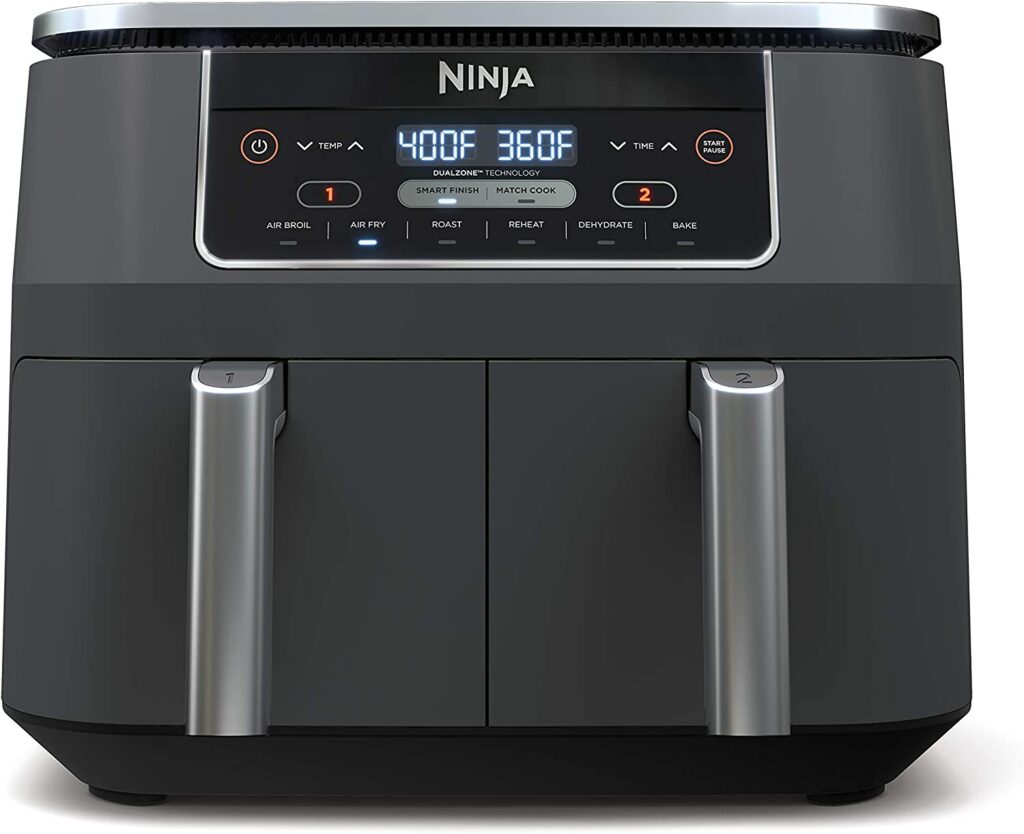
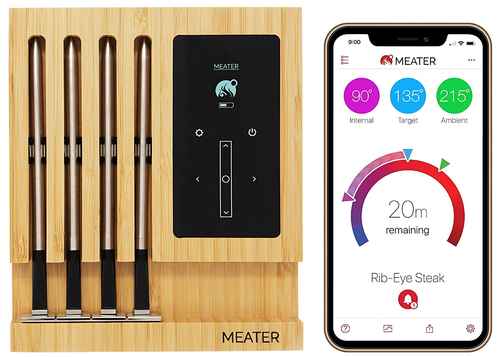
Recommended Equipments:
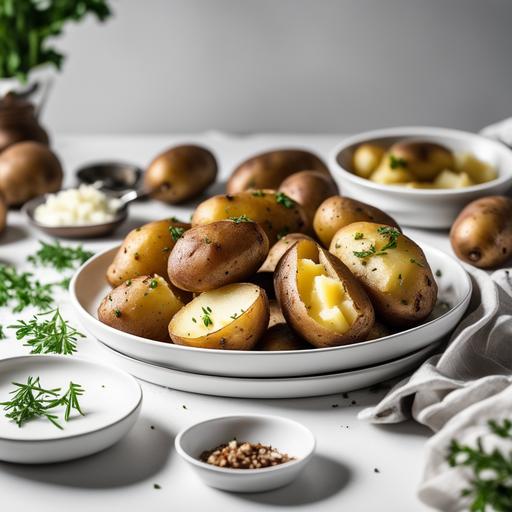
Potatoes are a culinary staple, cherished for their versatility, comforting texture, and ability to absorb flavors. From creamy mashed potatoes to crispy roasted cubes, they can transform into dishes that appeal to all taste preferences. Among the modern kitchen innovations, the air fryer has emerged as a game-changer, offering a healthier, faster, and surprisingly crisp alternative to traditional frying or roasting methods. Cooking fresh potatoes in an air fryer allows you to achieve that golden, crispy exterior while maintaining a soft, fluffy interior, all without excessive oil. However, achieving the perfect balance of texture and flavor requires understanding the nuances of temperature, timing, and technique. This guide will explore every facet of air-frying fresh potatoes to help you consistently produce delicious results.
Optimal Air Fryer Temperature To Cook Fresh Potatoes In Air Fryer
Temperature is one of the most critical variables in air frying potatoes. For fresh potatoes, the ideal air fryer temperature generally ranges between 375°F to 400°F (190°C to 205°C). This range allows the exterior to crisp up without prematurely drying out the interior.
- 375°F (190°C): A slightly lower temperature yields potatoes with a tender interior and a golden-brown exterior. This is ideal for larger chunks or wedges, where a slower cook ensures even heat penetration.
- 400°F (205°C): A slightly higher temperature accelerates browning and crisping, perfect for small cubes or fries. Care must be taken to shake or toss them periodically to prevent uneven cooking or scorching.
Lower temperatures tend to result in softer, less crisp potatoes, while excessively high temperatures risk burning the exterior before the interior is fully cooked.
How Long To Cook Fresh Potatoes In Air Fryer
Cooking time depends on the size, cut, and desired texture of the potatoes. Here is a general guideline:
- Small cubes or fries: 15-20 minutes at 400°F, shaking every 5-7 minutes for even browning.
- Medium wedges: 20-25 minutes at 375-400°F, flipping halfway through.
- Whole baby potatoes: 20-25 minutes at 375°F, shaking gently once or twice during cooking.
It is crucial to note that individual air fryer models may vary in intensity and airflow, which can slightly alter cooking times.
How To Tell If It Is Done
The hallmark of perfectly cooked fresh potatoes is a combination of texture and color. Indicators include:
- Golden Brown Exterior: The skin or surface should have a uniform, appealing golden-brown hue.
- Tender Interior: Piercing a potato with a fork should meet minimal resistance, revealing a soft and fluffy center.
- Audible Cues: A lightly crispy exterior may produce a subtle crackling sound when cut or bitten.
Visual inspection combined with a simple fork test is the most reliable method. Overcooked potatoes may appear overly dark and feel dry, while undercooked potatoes will resist piercing and feel dense.
Ingredients Needed
Cooking fresh potatoes in an air fryer is delightfully simple and requires minimal ingredients:
- Fresh potatoes – 1-2 medium or 4-5 small potatoes
- Olive oil – 1-2 teaspoons for light coating (optional but improves crisping)
- Salt – to taste
- Optional seasonings: black pepper, garlic powder, paprika, rosemary, thyme, or chili flakes for added flavor
These ingredients allow you to elevate the natural flavor of potatoes while keeping the dish healthy and straightforward.
How To Cook Fresh Potatoes In Air Fryer
- Prepare the potatoes: Wash thoroughly and peel if desired. Cut into uniform cubes, wedges, or leave whole if using baby potatoes.
- Season: Toss potatoes with a small amount of olive oil, salt, and optional spices until evenly coated.
- Preheat air fryer: While some models do not require preheating, 3-5 minutes at 375-400°F helps ensure even cooking.
- Arrange potatoes: Place in a single layer inside the air fryer basket, avoiding overcrowding for maximum crisping.
- Cook: Air fry at the chosen temperature (375-400°F). Shake or flip halfway through to promote uniform browning.
- Test for doneness: Use a fork to check tenderness; adjust time slightly if needed.
- Serve immediately: Air-fried potatoes taste best hot and fresh.
What If I Use A Different Air Fryer Temperature?
- Lower temperatures (325-350°F): Slower cooking will produce a softer, less crispy exterior. This may be suitable if you prefer a tender, roast-like texture or are cooking very large chunks.
- Higher temperatures (410-425°F): While it can increase crispness quickly, it also risks burning the exterior while leaving the interior undercooked. Frequent shaking or tossing is essential to prevent scorching.
Temperature adjustments require careful monitoring and minor timing modifications to avoid compromising the texture.
What If I Use A Different Air Fryer Cooking Time?
- Shorter cooking time: Potatoes may remain undercooked, dense, and lacking crispness. Cutting potatoes smaller can partially compensate for shorter durations.
- Longer cooking time: Results in overly dry or burnt potatoes if the temperature is not adjusted downward.
The key is to balance time and temperature to achieve the desired texture without sacrificing flavor.
When Things Go Wrong
Even with precise technique, things can occasionally go wrong:
- Burnt exterior, raw interior: Often caused by high temperature or large potato pieces. Solution: reduce temperature and cut potatoes smaller.
- Soggy potatoes: Usually due to overcrowding the basket or insufficient tossing. Cook in batches and shake frequently.
- Uneven browning: Unequal sizes or failure to toss can cause this. Aim for uniform cuts and periodic shaking.
Understanding these common pitfalls allows for quick adjustments mid-cook.
Expert Tips
- Uniform cutting is key: Ensures even cooking and consistent crispiness.
- Light oil coating: Enhances browning and flavor, but avoid over-oiling to prevent sogginess.
- Preheating: Slightly increases efficiency and crisping.
- Season after cooking: For delicate herbs like parsley or chives, sprinkle post-cooking to maintain flavor.
- Batch cooking: Don’t overcrowd; air circulation is critical for crisp potatoes.
FAQs
What Types Of Potatoes Are Best For Cooking In An Air Fryer?
Firm potatoes such as Yukon Gold, red potatoes, and Russets are ideal for air frying. Yukon Golds provide a creamy texture, Russets give a crisp exterior with a fluffy interior, and red potatoes hold their shape well when cubed or sliced.
Do I Need To Peel Fresh Potatoes Before Air Frying?
Peeling is optional. Potato skins contain nutrients and can become crispy in an air fryer. For a rustic texture, leave the skins on; if a smoother texture is preferred, peel the potatoes before cooking.
How Should I Prepare Potatoes Before Putting Them In The Air Fryer?
Wash the potatoes thoroughly, cut them into evenly sized pieces (wedges, cubes, or slices), and optionally soak them in water for 20-30 minutes to remove excess starch. Pat dry, then toss with a small amount of oil and seasonings to ensure even cooking and crispiness.
What Temperature And Time Settings Should I Use To Cook Fresh Potatoes In An Air Fryer?
For most fresh potato cuts, preheat the air fryer to 375-400°F (190-200°C). Cook small cubes or fries for 15-20 minutes, flipping halfway through. Larger wedges may require 20-25 minutes. Check for golden brown color and a tender interior with a fork.
How Can I Make My Air-fried Potatoes Crispy Without Drying Them Out?
Ensure potatoes are dry before adding oil, use a light coating of oil, and avoid overcrowding the basket. Shake or flip the potatoes halfway through cooking to allow hot air circulation on all sides. Optionally, sprinkle a small amount of cornstarch on the potato pieces before air frying for extra crispiness.
Can I Cook Potatoes With Seasonings Directly In The Air Fryer?
Yes, you can season potatoes before air frying. Common seasonings include salt, pepper, garlic powder, paprika, or herbs. Toss the cut potatoes with a small amount of oil and seasonings for even coating. For delicate herbs like parsley or cilantro, add them after cooking to prevent burning.
How Do I Store And Reheat Leftover Air-fried Potatoes?
Store leftover potatoes in an airtight container in the refrigerator for up to 3-4 days. To reheat, use the air fryer at 350°F (175°C) for 5-10 minutes until warmed and crisp, or use an oven on a baking sheet for similar results. Avoid microwaving, as it can make them soggy.