
How To Cook Cookie Dough In Air Fryer [FULL GUIDE]
Recommended Equipments:
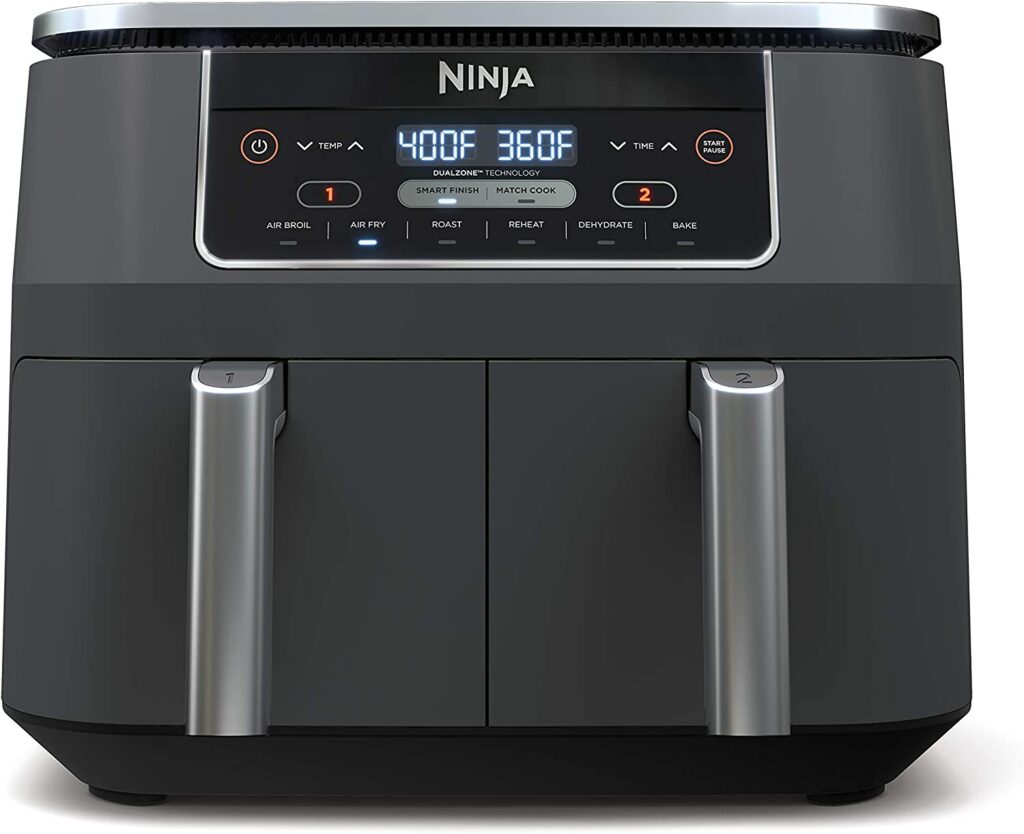
Air fryers have revolutionized home cooking, offering a convenient and efficient way to achieve crispy textures and golden finishes without the excess oil of traditional frying or baking methods. Among the myriad treats you can craft with an air fryer, cookies stand out as a quick, satisfying, and versatile indulgence. Cooking cookie dough in an air fryer not only shortens baking time but also delivers a delightful balance between a slightly crisp exterior and a soft, gooey center. However, achieving the perfect cookie requires careful attention to temperature, timing, and technique. This guide will explore every facet of air-frying cookie dough, ensuring you master this quick and delicious method with confidence.
Optimal Air Fryer Temperature To Cook Cookie Dough In Air Fryer
Temperature is the cornerstone of baking perfect cookies in an air fryer. Unlike conventional ovens, air fryers circulate hot air rapidly around the food, creating a faster and more direct heat exposure. For cookie dough, the optimal temperature typically ranges between 320°F (160°C) and 350°F (175°C).
- Lower end (320°F/160°C): Promotes more even cooking, ensuring the cookie’s center remains soft while the edges firm up gradually. This is ideal for thick or oversized cookie dough balls.
- Higher end (350°F/175°C): Produces slightly crisper edges and a lightly caramelized top. This works well for thinner cookies or when a slightly firmer texture is preferred.
Temperatures above 350°F can risk burning the cookie edges while leaving the centers undercooked. Conversely, temperatures below 320°F may result in extended cooking times, potentially drying out the cookie. Maintaining a balance is key for a cookie that’s golden on the outside and tender on the inside.
How Long To Cook Cookie Dough In Air Fryer
Air fryer cooking time depends on cookie size, dough composition, and desired texture. As a general guideline:
- Small cookies (1-1.5 inches in diameter): 5-7 minutes
- Medium cookies (2 inches in diameter): 8-10 minutes
- Large cookies (3 inches or more): 10-12 minutes
Check the cookies around 75% of the estimated time to prevent overcooking. Remember that air fryers vary in heat intensity, and some models may cook faster than others. The cookies will continue to firm slightly after being removed, so factoring in residual heat is essential for the perfect texture.
How To Tell If It Is Done
Unlike traditional baking, air fryer cookies may not visually cue doneness in the same way. Look for these indicators:
- Edges are set: The edges should appear lightly golden and firm, indicating proper cooking.
- Center is slightly soft: The middle can still look slightly underdone; it will continue to cook from residual heat.
- Top is lightly browned: The cookie surface should have a gentle golden hue without appearing raw or wet.
- Touch test: Gently press the center with a spatula or fingertip; it should spring back slightly without being doughy.
Overcooking results in dry, crumbly cookies, while undercooking leads to raw centers and uneven texture.
Ingredients Needed
To air-fry cookie dough, the ingredients are typically similar to standard cookies:
- 1 cup unsalted butter, softened
- 1 cup granulated sugar
- 1 cup brown sugar, packed
- 2 large eggs
- 2 tsp vanilla extract
- 3 cups all-purpose flour
- 1 tsp baking soda
- 1/2 tsp salt
- 2 cups chocolate chips (or any mix-ins, like nuts or dried fruit)
Optional: Cocoa powder, cinnamon, or other flavorings can enhance the cookie’s taste profile.
How To Cook Cookie Dough In Air Fryer
- Preheat the air fryer to 330-350°F (165-175°C) for a few minutes to ensure even cooking.
- Prepare the dough: Mix ingredients according to your favorite cookie recipe. Chill for 10-15 minutes if the dough is soft for easier handling.
- Shape the cookies: Scoop dough into uniform balls using a cookie scoop or tablespoon. Flatten slightly if desired.
- Line the air fryer basket: Use parchment paper or a silicone liner to prevent sticking. Avoid overcrowding; leave at least 1 inch between cookies.
- Air fry the cookies: Place the basket in the air fryer. Cook for 5-12 minutes depending on cookie size, checking at the halfway mark.
- Cool before serving: Let cookies cool on a wire rack for 2-5 minutes. They will firm up slightly but remain soft in the center.
What If I Use A Different Air Fryer Temperature?
Altering the temperature affects both texture and cooking time:
- Lower temperature: Cookies may cook more evenly but require a longer cooking time. The texture is softer with less browning.
- Higher temperature: Cookies cook faster and develop crisp edges but risk burning or uneven centers if not monitored carefully.
Always adjust time proportionally and monitor closely to prevent over- or undercooking.
What If I Use A Different Air Fryer Cooking Time?
Timing directly impacts cookie texture:
- Shorter cooking time: Cookies may remain raw in the center and fail to achieve proper structure.
- Longer cooking time: Cookies can dry out, become hard, or burn on the edges.
Frequent checking, especially during the last 2-3 minutes, helps achieve the ideal balance of crisp edges and a soft, gooey center.
When Things Go Wrong
Even with careful planning, mistakes can happen:
- Cookies burn on the edges: Lower the temperature by 5-10°F and reduce cooking time.
- Cookies remain raw in the center: Increase temperature slightly or cook for 1-2 additional minutes.
- Cookies stick to the basket: Ensure parchment paper or a silicone liner is used; lightly grease the basket if needed.
- Uneven cooking: Avoid overcrowding and rotate the basket halfway through cooking if your air fryer has hot spots.
Understanding these common pitfalls ensures smoother air fryer cookie adventures.
Expert Tips
- Chill the dough: Slightly firm dough helps maintain shape and prevents over-spreading.
- Uniform cookie size: Ensures even cooking.
- Use parchment paper or liners: Avoids sticking and simplifies cleanup.
- Experiment with flavors: Add-ins like caramel, nuts, or white chocolate chips adapt well to air fryer baking.
- Monitor closely: Air fryers cook faster than conventional ovens; frequent checking prevents disaster.
FAQs
Can I Cook Raw Cookie Dough Directly In An Air Fryer?
Yes, you can cook raw cookie dough directly in an air fryer. The air fryer provides even heat and circulating hot air, which can bake cookies quickly. However, it is important to portion the dough properly and adjust cooking times since air fryers can vary in heat intensity compared to a conventional oven.
What Type Of Cookie Dough Works Best For Air Frying?
Most types of cookie dough can be used, including chocolate chip, sugar, peanut butter, and oatmeal. Dough that spreads easily during baking is ideal, but avoid very sticky or overly wet dough as it can drip through the basket or cause uneven cooking.
Do I Need To Preheat The Air Fryer Before Cooking Cookies?
Preheating is recommended for best results. Preheating ensures that the air fryer reaches the desired temperature, allowing cookies to bake evenly and develop a crisp exterior while remaining soft inside. Typically, 3-5 minutes at the intended baking temperature is sufficient.
How Should I Prepare The Air Fryer Basket For Cookie Dough?
Line the air fryer basket with parchment paper or use a reusable silicone liner to prevent sticking. Make sure the liner does not block airflow, as proper air circulation is crucial for even cooking. Alternatively, lightly grease the basket with butter or non-stick spray.
What Is The Recommended Temperature And Cooking Time For Air Fryer Cookies?
A common temperature range is 320°F to 350°F (160°C to 175°C). Cooking times typically range from 6 to 12 minutes, depending on the size and thickness of the cookie. Check the cookies midway and adjust time as necessary to prevent overbaking.
How Can I Tell When Cookies Are Done In The Air Fryer?
Cookies are usually done when the edges are lightly golden and the centers appear set. Unlike traditional oven baking, cookies may continue to firm up slightly after removal due to residual heat, so avoid overcooking. Soft cookies may be gently lifted with a spatula to test their firmness.
Can I Cook Multiple Cookies At Once In An Air Fryer?
Yes, but avoid overcrowding the basket. Arrange cookies with enough space between them for hot air to circulate freely, ensuring even cooking. If necessary, bake in batches. Overlapping cookies can result in uneven cooking or cookies sticking together.