How To Make Wings Extra Crispy In Air Fryer [FULL GUIDE]
Recommended Equipments:
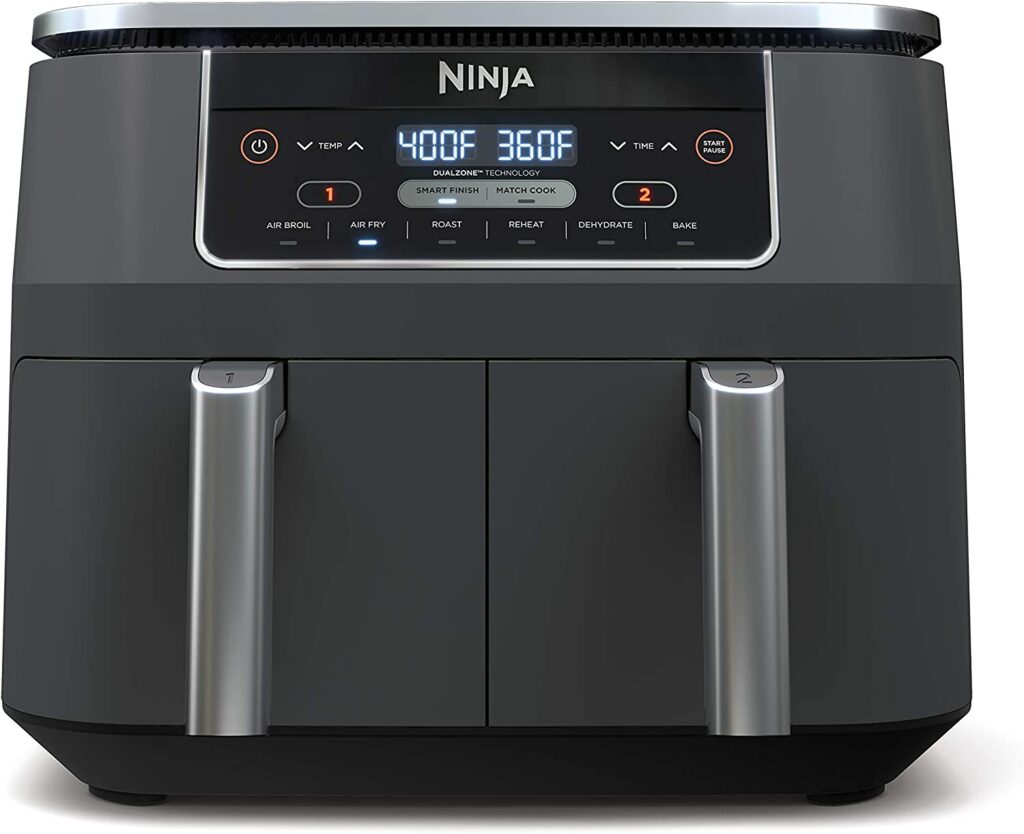
Air fryers have revolutionized the way we cook, offering the promise of golden, crispy foods without the excess oil of traditional deep frying. Chicken wings, long adored for their juicy interior and crunchy exterior, are no exception. Achieving that perfect, restaurant-quality crispiness at home requires more than just tossing wings into an air fryer and setting a timer. The right temperature, cooking time, and preparation methods all converge to create wings that are crunchy on the outside, tender and juicy on the inside. In this guide, we’ll dive deep into the science, technique, and troubleshooting required to make wings extra crispy in an air fryer, ensuring that each bite is full of flavor and texture perfection.
Optimal Air Fryer Temperature To Make Wings Extra Crispy In Air Fryer
Temperature is the foundation of crispy wings. For most air fryers, the ideal range to achieve a golden-brown, crackling exterior is 375°F to 400°F (190°C to 205°C). Cooking wings too low may leave them soggy, as the hot air won’t sufficiently evaporate moisture from the skin. Conversely, excessively high temperatures risk burning the exterior before the meat inside is fully cooked.
The optimal temperature is a balance: it must be hot enough to render the fat from the skin, creating a crispy texture, but not so intense that it dries out the meat. Preheating your air fryer for 3-5 minutes ensures the cooking chamber is already at the desired temperature, allowing the wings to sear immediately and lock in moisture.
How Long To Make Wings Extra Crispy In Air Fryer
Cooking time varies based on wing size, air fryer model, and temperature. Generally, wings require 22-30 minutes at 380-400°F, turning halfway through for even browning.
- Small wings: 22-25 minutes
- Medium wings: 25-28 minutes
- Large wings: 28-30 minutes
Spacing is crucial. Overcrowding prevents air from circulating, which is essential for crispiness. If necessary, cook in batches to ensure each wing has full exposure to hot air.
How To Tell If It Is Done
Determining doneness isn’t just about appearance-texture and internal temperature matter:
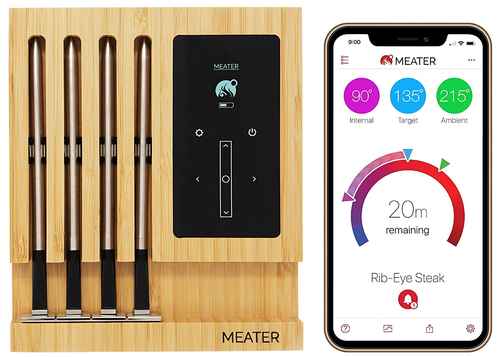
- Internal Temperature: The USDA recommends poultry reach an internal temperature of 165°F (74°C). Use a meat thermometer in the thickest part of the wing to check.
- Skin Texture: Crispy wings will have a firm, crackling surface that holds its shape when pressed lightly.
- Juice Clarity: When pierced, the juices should run clear, not pink.
The combination of these cues guarantees safety and texture without sacrificing flavor.
Ingredients Needed
For perfectly crispy air fryer wings, you’ll need:
- Chicken wings: 2 pounds, split into flats and drumettes
- Baking powder: 1 tablespoon (aluminum-free to avoid metallic taste) – key for crispiness
- Salt: 1 teaspoon, adjust to taste
- Black pepper: 1 teaspoon, freshly ground
- Optional spices: Garlic powder, smoked paprika, cayenne pepper, or any seasoning blend you prefer
- Optional finishing sauces: Buffalo sauce, honey garlic, BBQ, or dry rub for extra flavor
The secret is a dry coating using baking powder and seasonings, which promotes a golden, crackling exterior.
How To Make Wings Extra Crispy In Air Fryer
- Prepare the Wings: Pat the wings completely dry with paper towels. Moisture is the enemy of crispiness.
- Coat with Baking Powder and Seasonings: In a large bowl, toss wings with baking powder, salt, pepper, and optional spices until evenly coated.
- Preheat the Air Fryer: Set to 380-400°F for 3-5 minutes.
- Arrange Wings in Basket: Place wings in a single layer, skin side up, ensuring no overlapping.
- Air Frying: Cook for 22-30 minutes, flipping halfway through to achieve even browning.
- Check for Doneness: Confirm the internal temperature reaches 165°F and the skin is crisp.
- Optional Tossing: Coat wings in sauce or dry rub immediately after cooking while still hot.
What If I Use A Different Air Fryer Temperature?
Lowering the temperature (e.g., 350°F) slows cooking, which may render wings slightly less crispy and require 5-10 additional minutes. Raising it above 400°F can risk burning the skin while leaving the interior undercooked. Adjust cooking time and monitor closely if deviating from the recommended range.
What If I Use A Different Air Fryer Cooking Time?
Shorter cooking times may result in wings that are undercooked internally or soggy on the skin. Longer cooking times can over-dry the meat. If adjusting time, always check both internal temperature and skin texture before removing from the fryer.
When Things Go Wrong
- Soggy Wings: Likely from excess moisture or overcrowding. Pat dry and cook in batches next time.
- Burned Exterior, Raw Interior: Temperature too high; lower by 10-20°F and extend cooking time.
- Uneven Crispiness: Flip halfway, ensure single-layer arrangement, and shake basket occasionally for even air circulation.
Expert Tips
- Baking Powder Is Key: Unlike flour or cornstarch, baking powder chemically helps release moisture from the skin, creating blistered, crunchy wings.
- Patience Is Crucial: Resist the urge to open the basket frequently; it can drop temperature and increase cooking time.
- Sauce Strategically: Toss wings in sauce immediately after air frying for glossy coating without softening the crisp exterior.
- Small Batches for Maximum Crispiness: Air circulation is critical-don’t overcrowd the basket.
FAQs
How Can I Make My Chicken Wings Extra Crispy In An Air Fryer?
To achieve extra crispy wings, start by patting them completely dry with paper towels to remove any moisture. Lightly coat them with a thin layer of oil and seasonings or baking powder. Cook at a high temperature, typically around 400°F (200°C), flipping halfway through to ensure even crisping.
Should I Use Oil On Air Fryer Wings To Make Them Crispy?
Yes, a light coating of oil helps promote browning and crispiness. However, avoid over-oiling, as excess oil can make wings greasy rather than crispy.
Does Using Baking Powder Really Make Air Fryer Wings Crispier?
Yes. Baking powder raises the pH level on the skin, which helps it brown and crisp more efficiently in the high heat of the air fryer. Make sure to use aluminum-free baking powder to avoid any metallic taste.
Is It Better To Cook Wings In A Single Layer In The Air Fryer?
Absolutely. Crowding the basket causes steam to build up, which prevents crisping. Arrange wings in a single layer with space between each piece for optimal airflow.
Should I Preheat My Air Fryer To Make Wings Crispier?
Yes. Preheating the air fryer ensures the cooking surface is hot immediately, which helps render the skin and achieve a crispy exterior quickly.
How Long Should I Cook Wings In An Air Fryer For Maximum Crispiness?
Cooking time can vary depending on wing size and air fryer model, but generally, cook wings at 400°F (200°C) for 20-25 minutes, flipping halfway. Check for a golden-brown, crispy exterior and an internal temperature of 165°F (74°C).
Can Marinating Wings Affect Their Crispiness In The Air Fryer?
Yes, wet marinades can reduce crispiness because excess moisture creates steam during cooking. To maintain crispiness, pat wings dry after marinating or consider a dry rub with minimal liquid.