
How To Cook Pork Joint With Crackling In Air Fryer [FULL GUIDE]
Recommended Equipments:
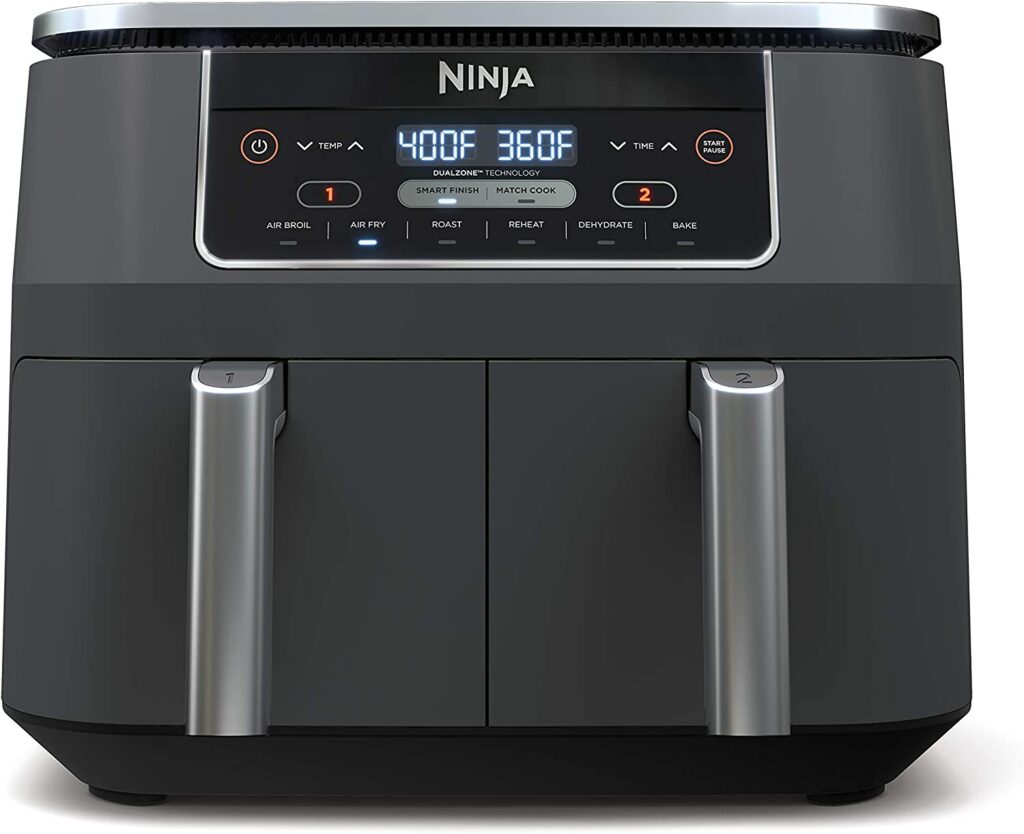
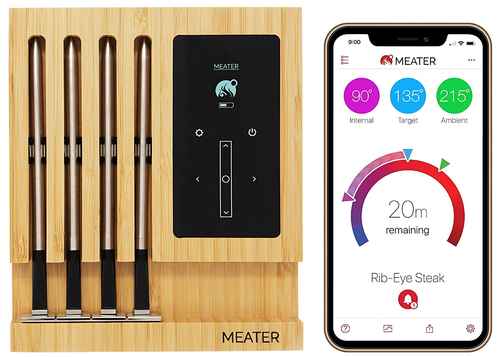
Cooking a pork joint with perfectly crisp crackling is a culinary achievement that many home cooks aspire to, and the advent of air fryers has revolutionized the process. Unlike conventional ovens, an air fryer uses rapid air circulation to cook food, producing crisp exteriors while keeping the interior succulent. Achieving that golden, crunchy crackling while ensuring the meat remains juicy can seem daunting, but with the right approach, your air fryer can produce restaurant-quality results. This guide will take you through every step, from selecting the ideal temperature to troubleshooting common issues, providing expert tips to ensure your pork joint becomes the centerpiece of any meal.
Optimal Air Fryer Temperature To Cook Pork Joint With Crackling In Air Fryer
The key to perfect pork crackling lies in a two-stage temperature approach. Initially, a high temperature is crucial to draw out moisture from the skin, allowing it to blister and form the desired crunch. For most air fryers, this means preheating to 220°C (428°F). Once the crackling begins to bubble and crisp, lowering the temperature ensures the meat cooks evenly without drying out. A subsequent temperature of 160-180°C (320-356°F) works best for the remainder of the cooking time, allowing the pork to cook through while maintaining juiciness.
Maintaining a stable temperature is critical. Too low initially, and the crackling may remain chewy; too high for too long, and you risk overcooking the meat before the crackling forms.
How Long To Cook Pork Joint With Crackling In Air Fryer
Cooking time depends on the size and weight of your pork joint. A general guideline is:
- For a 1 kg (2.2 lbs) pork joint: Around 45-50 minutes.
- For a 1.5 kg (3.3 lbs) joint: Approximately 65-70 minutes.
- For a 2 kg (4.4 lbs) joint: Roughly 90 minutes.
These times assume you start with a high heat blast (220°C/428°F) for 15-20 minutes, then reduce to 160-180°C (320-356°F) for the remaining duration.
Remember, air fryers can vary in intensity, so these times are a starting point. Checking doneness (see below) is essential to prevent undercooking or overcooking.
How To Tell If It Is Done
The most reliable method is using a meat thermometer. Insert it into the thickest part of the pork joint, avoiding bones. The internal temperature should reach:
- Pork (medium): 63°C (145°F)
- Resting temperature after removal: rises to 68°C (155°F)
Visual cues also help:
- The crackling should be golden-brown, blistered, and crisp.
- The juices should run clear, not pink.
- The meat should feel firm yet springy when pressed.
Allow the pork to rest for 10-15 minutes after cooking; this lets the juices redistribute and prevents the meat from drying out.
Ingredients Needed
- Pork joint with skin on (1-2 kg depending on your air fryer size)
- Sea salt or kosher salt (for scoring and seasoning the skin)
- Olive oil or vegetable oil (optional, to rub onto the skin)
- Black pepper (optional, for seasoning)
- Herbs and aromatics (optional, such as rosemary, thyme, garlic, or onion for flavoring the meat)
Some cooks also add a light rub of baking powder on the skin to enhance crackling, but this is optional.
How To Cook Pork Joint With Crackling In Air Fryer
- Prepare the pork: Pat the skin dry with paper towels. Score the skin in even lines about 1 cm apart. Rub salt generously into the scores, ensuring it reaches the fat layer beneath. Optionally, rub a small amount of oil over the skin.
- Preheat the air fryer: Set it to 220°C (428°F) for 5 minutes.
- Initial high-heat blast: Place the pork joint skin-side up. Cook at 220°C (428°F) for 15-20 minutes to start the crackling process.
- Lower the temperature: Reduce to 160-180°C (320-356°F) and continue cooking for the remaining time based on the weight of your joint.
- Check doneness: Use a meat thermometer and visual cues. If the crackling isn’t crisp enough, you can increase the temperature slightly for the final 5-10 minutes.
- Rest the meat: Let the pork rest for 10-15 minutes under loose foil before slicing.
What If I Use A Different Air Fryer Temperature?
- Lower initial temperature: Crackling may remain soft and chewy. You may need to extend cooking time or finish with a high-heat blast.
- Higher initial temperature: The skin may burn or blister unevenly, and the meat may start drying before it is fully cooked.
Consistency in temperature is more important than the absolute number; erring slightly higher or lower requires careful monitoring.
What If I Use A Different Air Fryer Cooking Time?
- Shorter cooking time: The meat may be undercooked and the crackling incomplete. Always confirm with a thermometer.
- Longer cooking time: Risk of dry meat and burnt crackling. If crackling is perfect but meat isn’t done, tent it with foil and continue cooking at a lower temperature.
When Things Go Wrong
- Soft crackling: Dry the skin thoroughly, ensure scoring penetrates fat, and give a final high-heat blast.
- Uneven cooking: Rotate or reposition the pork joint halfway through cooking. Avoid overcrowding the basket.
- Dry meat: Reduce cooking temperature after initial high-heat phase; always allow the meat to rest.
Expert Tips
- Score the skin properly: Deep enough to penetrate fat but not the meat.
- Pat the skin dry: Moisture prevents crisping.
- Use salt generously: Salt draws out moisture, creating blistered crackling.
- Avoid overcrowding: The air fryer relies on airflow for crisping.
- Let it rest: Resting is crucial to juicy meat.
- Optional aromatics: Herbs, garlic, and onions in the basket enhance flavor without affecting crackling.
FAQs
What Type Of Pork Joint Is Best For Cooking With Crackling In An Air Fryer?
The best pork joints for crackling in an air fryer are those with a good layer of fat and skin, such as pork shoulder or pork loin with the rind on. The fat helps keep the meat moist while allowing the skin to crisp up effectively.
How Should I Prepare The Pork Skin For The Best Crackling In An Air Fryer?
To achieve crispy crackling, score the skin with a sharp knife without cutting into the meat, then rub it with salt and optionally a little oil. Pat the skin dry before cooking to remove any excess moisture, which helps the skin crisp evenly.
What Temperature And Cooking Time Should I Use In An Air Fryer For A Pork Joint?
Preheat the air fryer to 200°C (390°F). Cook the pork joint for around 25-30 minutes per 500g, but start at a high temperature for the first 20-30 minutes to crisp the skin, then lower the heat to around 180°C (355°F) for the remaining cooking time to ensure the meat is cooked through without burning the crackling.
Do I Need To Cover The Pork Joint While Air Frying?
No, covering the pork joint is generally not necessary. Leaving it uncovered allows the hot circulating air to crisp the skin. However, if the crackling starts to brown too quickly before the meat is cooked, you can loosely tent it with foil.
How Can I Tell When The Pork Is Fully Cooked And Safe To Eat?
The pork is fully cooked when it reaches an internal temperature of 63°C (145°F) for medium, or 71°C (160°F) for well-done, measured with a meat thermometer. Rest the meat for 10-15 minutes after cooking to allow juices to redistribute.
What Should I Do If The Crackling Isn’t Crispy Enough?
If the crackling isn’t crispy, increase the air fryer temperature to 220°C (425°F) for 5-10 minutes at the end of cooking. Make sure the skin is dry and scored properly. Some cooks also sprinkle a little extra salt on the skin before the final blast to enhance crispiness.
Can I Cook A Frozen Pork Joint In The Air Fryer?
It’s not recommended to cook a frozen pork joint directly in the air fryer. Thaw the pork completely in the refrigerator first to ensure even cooking and proper crackling. Cooking from frozen may result in unevenly cooked meat and underdeveloped crackling.